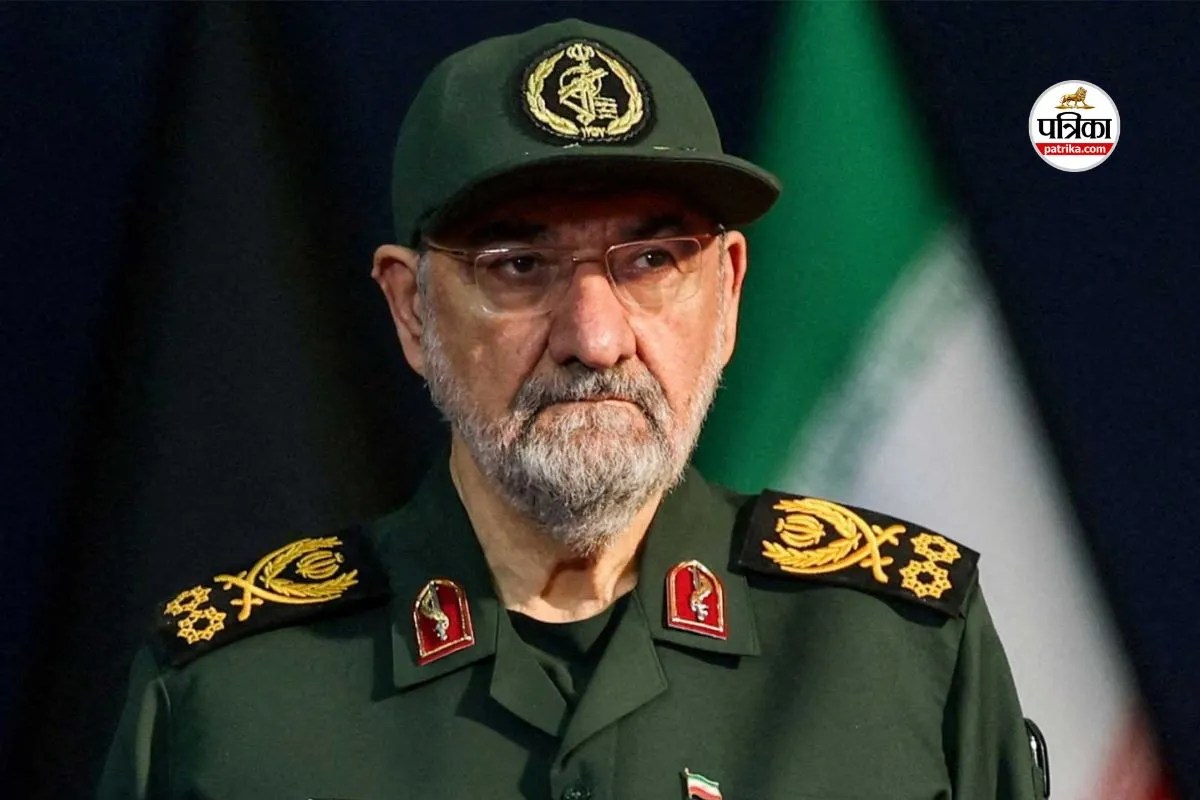
Geopolitical pressure vectors in the Persian Gulf have shifted from direct kinetic exchange toward asymmetric economic coercion, forcing neighboring states into an acute structural dilemma. Recent policy declarations from Tehran's Supreme National Security Council explicitly redefine regional neutrality. Any state facilitating external trade blockades, intelligence sharing, or logistics for Washington's economic campaign will face immediate reclassification as a hostile combatant.
Understanding this threshold requires analyzing the mechanics of Iran's revised national security doctrine, the operational vulnerabilities of neighboring Gulf monarchies, and the structural closure of critical maritime choke points.
The Three Pillars of Tehran's Coercive Doctrine
Iran's strategic posture has transitioned from reactive defense to proactive threat isolation. This doctrine rests on three distinct operational pillars designed to raise the cost of regional cooperation with Western sanctions frameworks.
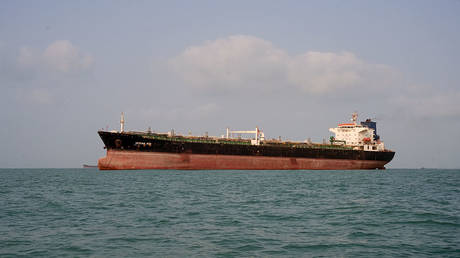
- The Choke Point Leverage: Control over the Strait of Hormuz serves as an immediate economic valve. By keeping the corridor restricted or closed to unapproved traffic, Tehran imposes a direct tax on global energy logistics, demonstrating that regional compliance with Washington carries an immediate domestic trade penalty.
- The Secondary Target Principle: Tehran has discarded traditional diplomatic ambiguity regarding proxy alignment. Under the updated security framework, economic cooperation—such as enforcing secondary financial tracking or substituting energy supplies to isolate Iranian crude—is treated identically to military participation.
- Decentralized Deterrence: Rather than relying solely on conventional military parity, the security apparatus utilizes asymmetric assets, including maritime denial capabilities and targeted infrastructure threats, ensuring that any neighbor participating in an economic squeeze absorbs proportional infrastructural risk.
The Cost Function for Gulf States
Neighboring economies face a zero-sum structural matrix. Aligning with Washington's treasury mandates promises alignment with Western financial systems, but exposes local energy installations, desalination plants, and transit hubs to direct retaliation. Conversely, maintaining strict neutrality risks triggering secondary measures or political friction with the United States.
The economic exposure of Gulf cooperation can be modeled through three primary risk vectors:
- Infrastructure Vulnerability: Concentrated urban centers, commercial ports, and critical desalination facilities across the southern Persian Gulf operate within range of asymmetric ordnance and drone technology.
- Maritime Insurance and Logistics Spikes: As long as regional transit paths remain constrained, maritime insurance premiums skyrocket, turning any cooperative enforcement of blockades into a self-inflicted wound for local port economies.
- Diplomatic Polarization: Bilateral balancing acts are no longer viable. Tehran's demand that neighbors choose between active non-participation and hostile status eliminates the middle ground of tacit compliance.
Strategic Horizon and Tactical Reality
The friction between Washington's financial containment strategy and Tehran's regional deterrence creates a permanent state of operational anxiety for smaller Gulf states. Because military options have yielded diminishing returns for external actors, the theater has permanently evolved into a contest of endurance centered on maritime access and secondary sanctions enforcement.
Neighboring administrations must calculate their exposure not by public diplomatic communiques, but by their physical proximity to logistical nodes utilized by external powers. The operational imperative for these states is absolute non-integration into external financial warfare protocols to prevent kinetic spillovers onto domestic soil.