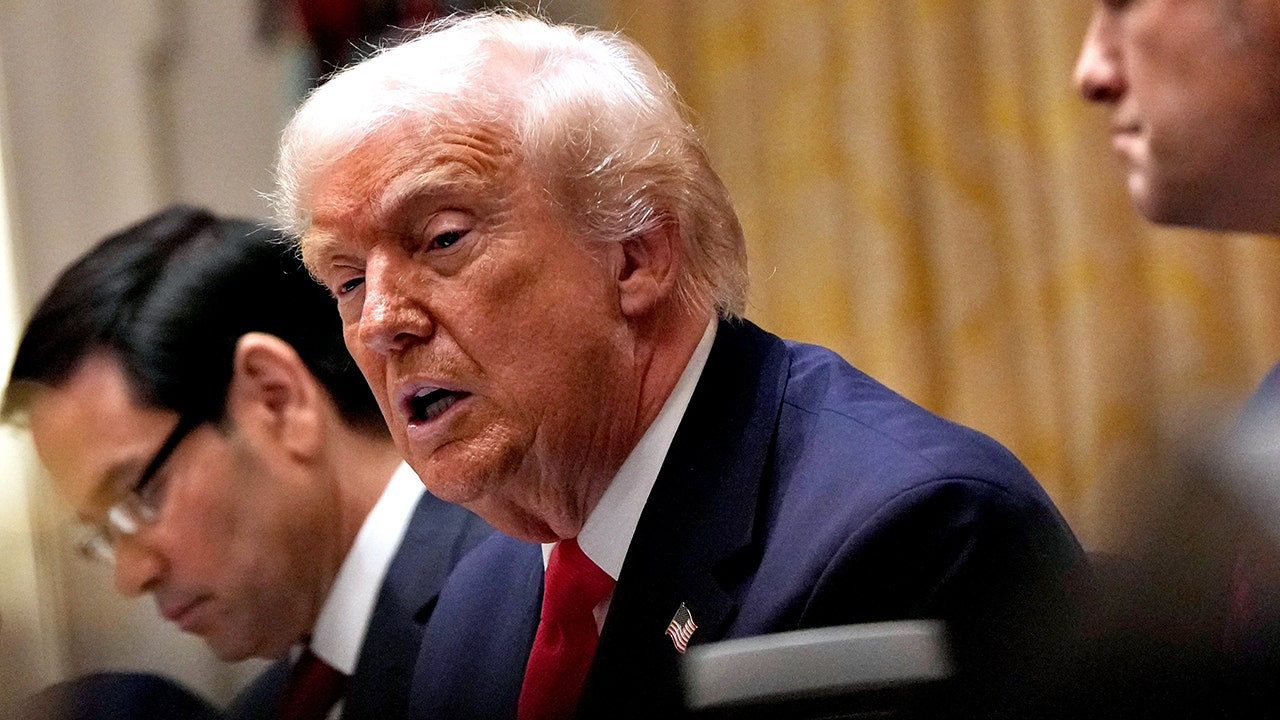
The utilization of detained citizens as diplomatic currency is not a peripheral humanitarian concern but a core variable in the bilateral cost-benefit analysis between the United States and the People's Republic of China (PRC). When executive leadership engages in high-level summits—such as the meetings between Donald Trump and Xi Jinping—the prioritization of detained Americans serves as a critical signal of a state's internal valuation of its "human assets" versus its external strategic objectives. To understand the mechanics of these negotiations, one must move beyond the emotional rhetoric of "bringing them home" and instead analyze the structural incentives, the opportunity costs of diplomatic capital, and the specific mechanics of the "exit ban" as a tool of statecraft.
The Triad of Diplomatic Leverage
The detention of foreign nationals within the PRC typically falls into three distinct strategic categories, each requiring a different caliber of response and carrying a different price tag in the negotiation process. Expanding on this theme, you can find more in: The Last Six Souls on the Ghost Ship.
- Legal Reciprocity and Extradition Pressure: This involves individuals detained in response to U.S. legal actions against Chinese nationals. The logic here is symmetric; the detention serves as a hedge to force a non-prosecution agreement or a prisoner swap.
- Internal Security and Sovereignty Assertions: These detentions often involve charges of espionage or state secrets violations. They are designed to signal the impenetrability of the CCP’s internal apparatus and to deter foreign intelligence or NGO interference.
- The Exit Ban as Commercial Coercion: This is the most common and least understood mechanism. It involves the use of civil or criminal disputes to prevent US executives or dual-national citizens from leaving the country, effectively turning a private business dispute into a state-sponsored hostage situation to ensure financial settlements or corporate compliance.
The Cost Function of Diplomatic Capital
Every item on a presidential summit agenda competes for a finite amount of "negotiation bandwidth." In the context of US-China relations, the trade deficit, intellectual property theft, South China Sea militarization, and the fentanyl crisis represent high-priority systemic issues. Inserting the cases of detained Americans into this mix creates an immediate trade-off.
The "Cost Function" for the US President can be defined by the following variables: Analysts at BBC News have also weighed in on this trend.
- Political Domestic Utility: The value gained from appearing strong and protective of citizens to a domestic electorate.
- Strategic Opportunity Cost: The amount of pressure on trade or security concessions that must be "traded away" to secure a release.
- The Precedent Penalty: The risk that by negotiating for a detainee, the US inadvertently incentivizes the PRC to seize more "human assets" to replenish their leverage for future rounds.
From a Chinese perspective, the value of a detained American is highest during the pre-summit phase. Once a meeting concludes without a resolution, the individual’s value as a "bargaining chip" depreciates until the next major diplomatic inflection point. Therefore, the window of maximum leverage for the US is not during the meeting itself, but in the weeks leading up to it, where the release can be framed as a "goodwill gesture" that lowers the friction for broader economic concessions.
The Asymmetry of Information and Legal Arbitrage
The PRC legal system operates on a principle of "Rule by Law" rather than "Rule of Law." This distinction is critical for strategy. In the US system, the executive branch has limited, codified powers to interfere in judicial proceedings. In the PRC, the judiciary is an extension of the party-state.
This creates a structural asymmetry. When Xi Jinping asks for the release of a Chinese national in US custody, the US President must navigate the Department of Justice’s independence—a significant hurdle. Conversely, if the US President asks for a release, the PRC leader can facilitate it with a single directive. This ease of execution makes detained Americans an incredibly "liquid" asset for the PRC; they are easy to trade because the internal cost of "clearing" the legal obstacle is near zero.
However, the PRC often masks these detentions behind "exit bans" related to civil litigation. By framing a detention as a private legal matter between a US citizen and a Chinese entity (often a State-Owned Enterprise), Beijing maintains a layer of plausible deniability. They argue that the state cannot interfere in a "private legal dispute," even as they prevent the individual from departing the country until a specific financial or corporate outcome is achieved.
Tactical Deconstruction of the Negotiation Framework
For the US executive to successfully navigate these cases without compromising broader national security objectives, the approach must transition from a "pleading" posture to a "transactional" framework based on three pillars:
Pillar I: Targeted Reciprocity
The US must identify and signal that the detention of its citizens will result in mirrored restrictions on specific Chinese interest groups. This does not necessarily mean detaining Chinese citizens, which violates Western legal norms, but rather restricting the movement of capital or the issuance of visas to the families of high-ranking CCP officials or executives of the SOEs involved in the exit bans.
Pillar II: De-linking Humanitarian and Strategic Tiers
To avoid the "Precedent Penalty," the US must strictly categorize these cases as "non-negotiable prerequisites" rather than "negotiable items." By framing the release of citizens as a baseline requirement for the meeting to even occur, the US removes the item from the trade-able agenda. If the release is treated as part of the trade negotiation, it effectively puts a price tag on every American traveler’s head.
Pillar III: Transparency as a Friction Mechanism
The PRC values its "investability" narrative. High-profile detentions of business leaders create "Country Risk" that deters Foreign Direct Investment (FDI). The US strategy should involve the systemic quantification and publicizing of exit bans. By raising the perceived risk for multinational corporations, the US forces the PRC to choose between the marginal leverage gained from a single detainee and the systemic loss of billions in FDI.
The Structural Bottleneck of Dual Nationality
A significant portion of detained individuals are naturalized US citizens who were born in China. Beijing’s refusal to recognize dual nationality is not merely a bureaucratic quirk; it is a deliberate jurisdictional claim. By treating these individuals as Chinese nationals, the PRC effectively nullifies the US State Department's right to "consular access" under the Vienna Convention on Consular Relations.
This creates a legal vacuum where the US has zero visibility into the health, location, or legal status of the detainee. For a President, this is the highest-risk category of negotiation. Any concession made for a dual national is often viewed by the PRC as an infringement on their internal judicial sovereignty, whereas the US views it as a basic protection of a citizen.
Strategic Recommendation for Executive Engagement
The path forward for the executive branch is not found in televised appeals to "common humanity," which the PRC views as a sign of tactical weakness. Instead, the administration must apply a "Pressure Gradient" strategy.
- Phase One (Pre-Summit): Private communication of a "List of Five." These are the most egregious cases where the US has confirmed a lack of due process. The release of at least two must be a condition for the setting of a definitive date for the summit.
- Phase Two (The Room): The President must lead with these cases, not as a request, but as a statement of fact regarding the "viability of the bilateral relationship." The logic presented should be: "We cannot discuss long-term trade stability if your legal system is used as a weapon against our personnel."
- Phase Three (Post-Summit): If no progress is made, the US must shift to "High-Friction Mode." This involves issuing updated State Department travel advisories that specifically name the regions or sectors where exit bans are prevalent.
The ultimate goal is to increase the PRC's "Maintenance Cost" of these detainees. As long as the cost of holding a citizen is lower than the potential reward at the negotiating table, the detentions will continue. The US must flip this equation by ensuring that every day an American is held, the PRC loses more in terms of diplomatic standing, FDI, and visa-related leverage than they could ever hope to gain from a concession.
The shift from a humanitarian appeal to a structural cost-imposition model is the only way to break the cycle of "hostage diplomacy" and restore a modicum of predictability to the US-China executive dialogue.