When Donald Trump took to prime-time television to declassify documents and accuse Beijing of illicitly harvesting 220 million voter records, diplomatic observers prepared for an immediate deep freeze in U.S.-China relations. In previous decades, a White House speech alleging foreign interference in American democracy would have triggered recalled ambassadors, frozen bilateral dialogues, and derailed upcoming summits. Yet, behind closed doors, diplomat logistics teams on both sides of the Pacific kept booking hotel suites and arranging motorcade routes for a planned September presidential summit.
The quiet persistence of U.S.-China engagement despite rhetorical fireworks reveals a fundamental shift in how Washington and Beijing manage conflict. Rather than letting domestic political theater disrupt high-stakes trade negotiations, both capitals have adopted a cold, calculating pragmatism. For Beijing, White House accusations are viewed less as an existential threat and more as noise meant for an American electorate preparing for midterm elections. For Washington, maintaining economic access and managing global supply chains outweighs the impulse to burn diplomatic bridges over unverified claims that national intelligence agencies have already disputed.
The Anomaly of Declassified Intelligence and Public Theatre
The prime-time address from the East Room had all the hallmarks of an intelligence bombshell. Trump claimed that newly released files proved Chinese intelligence had breached voting infrastructure and obtained massive amounts of voter data. He insisted the breach threatened the integrity of the ballot box and demanded immediate congressional action on national voting laws.
Yet the actual text of the declassified intelligence paints a far more nuanced picture.
Intelligence Finding Comparison

[White House Allegation]
- Claim: Direct manipulation of vote tabulations and 220 million hacked records.
- Action Demanded: Immediate national election law rewrite.

[Intelligence Assessment]
- Finding: No evidence of altered vote totals or compromised tabulation systems.
- Reality: Voter files referenced are commercially available data routinely bought by political campaigns.
Senior intelligence officials and career analysts privately acknowledged that while Chinese threat actors routinely target political candidates, public opinion data, and voter registries, acquiring voter lists is hardly a clandestine masterstroke. Political consulting firms buy and sell the exact same records every election cycle. Intelligence agencies found zero evidence that any Chinese agency successfully modified votes, altered voter rolls, or disrupted election machinery.
When lawmakers reviewed the underlying files, the consensus among security experts was clear. The documents confirmed long-standing surveillance habits rather than active sabotage.
Beijing Plays the Long Game
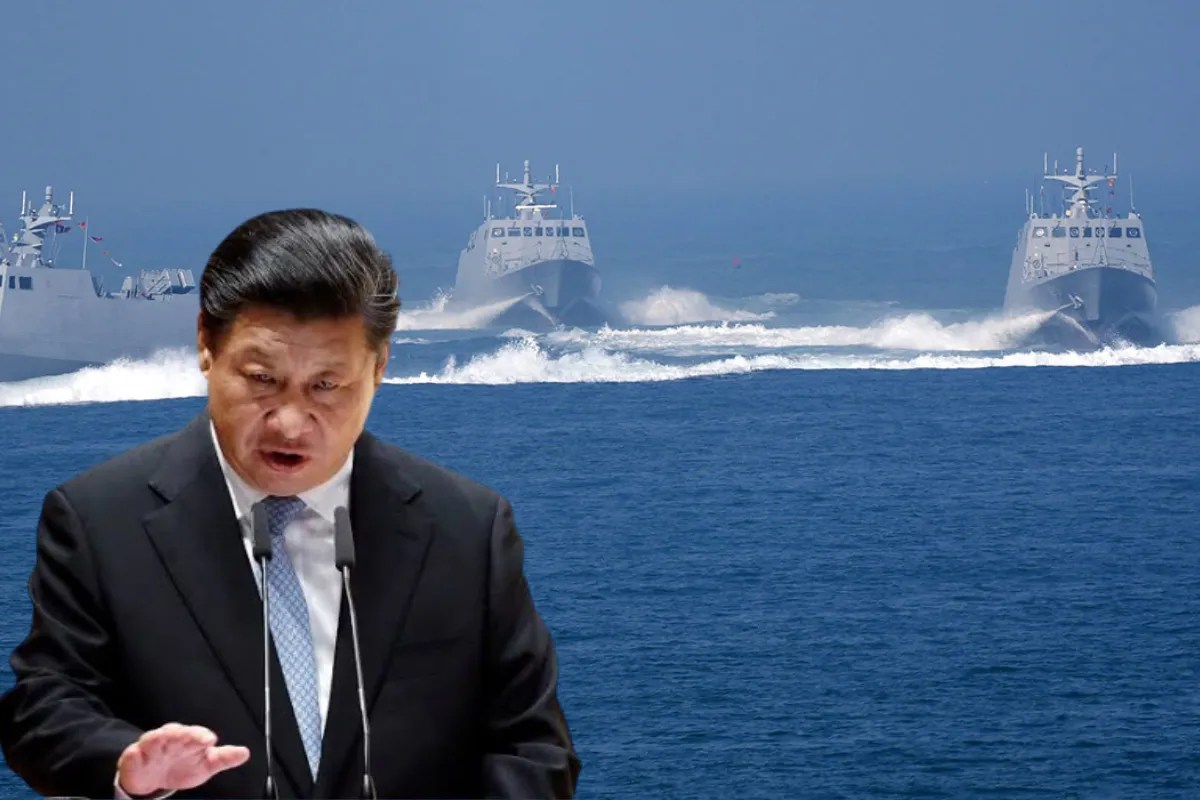
In Ministry of Foreign Affairs offices in Beijing, official responses were predictably sharp. Spokespeople labeled the accusations pure fabrications and malicious smears. But beneath the public denouncements lay a distinctly measured strategy.
China's leadership understands the rhythms of American politics. Ahead of competitive congressional elections, political figures routinely adopt aggressive postures toward external rivals. Chinese strategists recognize that public attacks often serve as red meat for base voters rather than explicit precursors to war or economic decoupling.
"Beijing has learned to separate public political posturing from actual executive policy," explains a former senior State Department official specializing in East Asian affairs. "If every harsh speech resulted in canceled trade talks, the two largest economies on Earth would have stopped speaking years ago."
Instead of cutting off channels, Chinese diplomats quietly confirmed that preparatory visits by Vice Foreign Minister Ma Zhaoxu to Washington and Miami remained on the calendar. The objective for Chinese policymakers is simple: preserve economic stability, cushion their domestic market against sudden tariff spikes, and maintain direct access to the American chief executive.
High Stakes on the Trade Floor
The true anchor preventing a complete breakdown in relations is trade. Both nations are locked in delicate negotiations regarding reciprocal duty cuts and tariff exemptions involving billions of dollars in commercial goods.
Consider a hypothetical manufacturing scenario to understand what is on the line:
- A mid-sized American electronics producer relies on specialized Chinese circuit components that currently face a 25 percent import tariff.
- A Chinese green energy supplier depends on specialized American software and machinery to build industrial grid batteries.
- If bilateral talks collapse over election claims, both companies face immediate margin compression, forcing layoffs in Ohio and Guangdong alike.
Neither economy can afford an unexpected shock. Inflationary pressures in the United States have made consumers sensitive to price increases on imported goods. Simultaneously, China’s industrial sector is working through internal real estate restructuring and slowing export growth. A sudden freeze in economic dialogue would harm financial markets in both capital cities.
When trade officials sit down to balance reciprocal duty cuts, the rhetoric of the East Room fades into the background. What matters on the trade floor is container volume, technology transfer terms, and agricultural purchasing agreements.
The Limits of Political Outrage in Modern Diplomacy
Washington and Beijing have developed a tacit understanding regarding public criticism. Both sides recognize that each government must periodically broadcast strong statements to satisfy internal political constituencies.
For Washington, maintaining a tough stance on national security reassures voters that the administration is vigilant against foreign espionage. For Beijing, projecting strength and denying western allegations projects national pride to its domestic audience.
This mutual recognition creates a buffer zone. As long as public accusations are not paired with immediate, destructive economic sanctions or military escalation, diplomats carry on with business as usual.
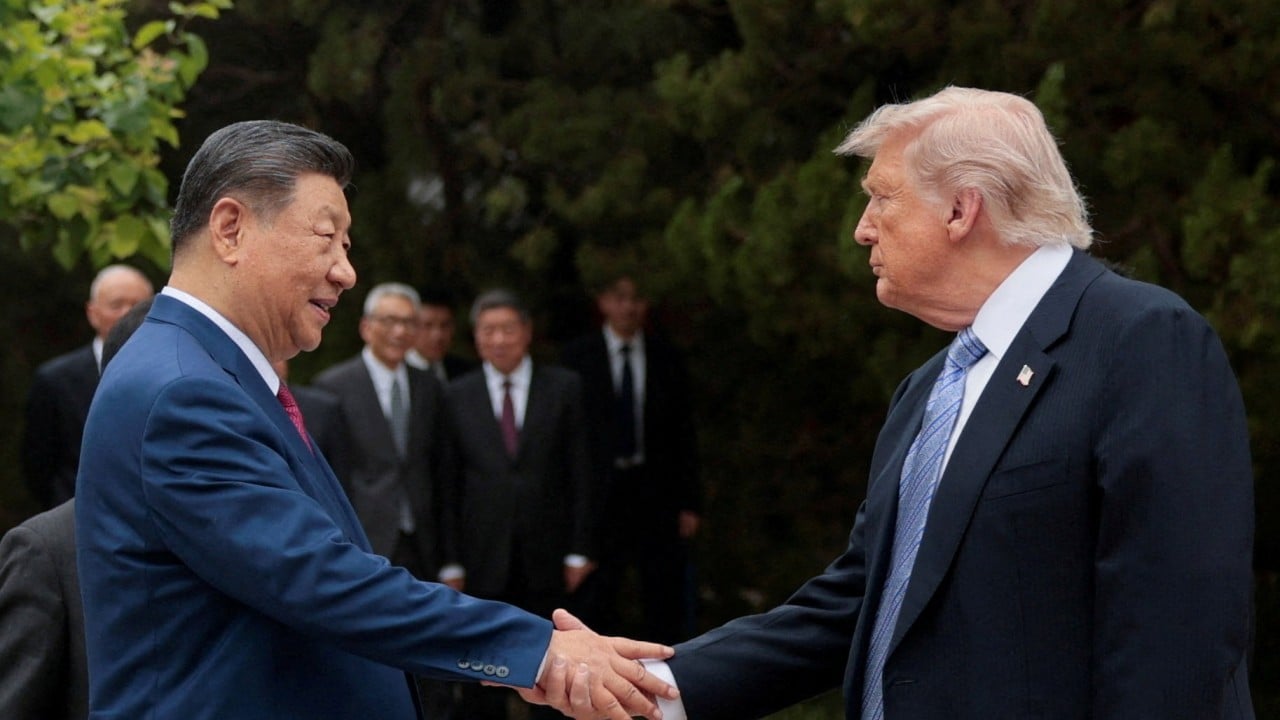
The upcoming September summit remains the primary objective for both sides. Face-to-face meetings between heads of state provide a level of strategic clarity that lower-level diplomatic exchanges cannot replicate. In an era defined by global supply chain pressures, nuclear proliferation concerns, and regional security friction, neither power can afford the luxury of emotional diplomatic boycotts.
Political noise will continue to dominate cable news headlines and campaign speeches. But beneath the theatrical accusations, the real work of managing an interdependent, dangerous economic relationship continues unabated.