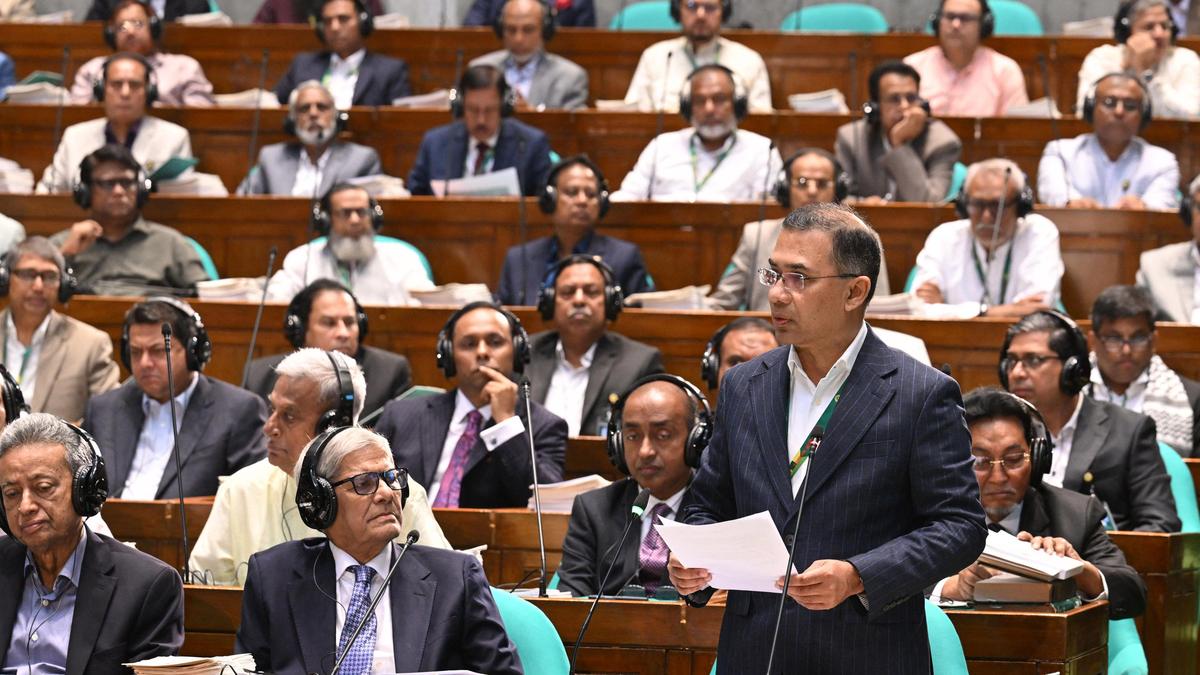
The 20-member delegation dispatched from Dhaka to Beijing represents more than a diplomatic gesture; it is a calculated response to a tightening liquidity trap and a shift in the regional power equilibrium. While surface-level reporting focuses on the symbolic "outreach," a structural analysis reveals that Bangladesh is attempting to navigate a critical intersection of sovereign debt maturity, infrastructure dependency, and the necessity of diversifying geopolitical hedges. This engagement is the opening move in a high-stakes renegotiation of the country's fiscal trajectory.
The Triad of Dhaka’s Strategic Necessity
The motivation behind this 20-member mission can be deconstructed into three distinct operational pillars. Each pillar addresses a specific vulnerability in the current Bangladeshi administration’s domestic and international standing.
- Liquidity Injection and Debt Refinancing: Bangladesh faces a shrinking foreign exchange reserve and a rising debt-servicing ratio. China, as one of the largest bilateral creditors, holds the keys to potential currency swap agreements or the restructuring of existing high-interest infrastructure loans.
- Infrastructure Continuity: With several "Mega Projects" nearing completion or requiring specialized technical maintenance, the cessation of Chinese technical expertise or capital would result in massive sunk costs.
- Geopolitical Counterweighting: Following a period of intense engagement with Western democratic blocks and regional neighbors like India, the Bangladeshi government requires a visible pivot to Beijing to regain leverage in multilateral negotiations.
The Mechanics of Infrastructure Diplomacy
China’s "Belt and Road" footprint in Bangladesh is not a monolithic investment but a complex web of concessional and commercial loans. The delegation’s primary objective involves the marginal utility of capital. Every dollar of new Chinese investment must now be weighed against the escalating cost of servicing the previous decade's debt.
The delegation is likely divided into technical sub-committees focusing on:
- Trade Deficit Mitigation: Addressing the massive trade imbalance where Bangladesh imports significantly more from China than it exports.
- The Special Economic Zone (SEZ) Pipeline: Accelerating the operationalization of the Chinese Economic and Industrial Zone in Anwara, Chattogram.
- Digital Infrastructure Integration: Securing commitments for telecommunications and data sovereignty projects that Western firms have become increasingly hesitant to fund under current risk profiles.
Assessing the Sovereign Risk Profile
A data-driven view of this outreach must account for the Debt-to-GDP sustainability framework. Bangladesh has historically maintained a prudent debt-to-GDP ratio, but the composition of that debt is shifting toward shorter-maturity, higher-interest bilateral loans from China.
The risk is not "debt-trap diplomacy" in the cliché sense, but rather liquidity insolvency. If the delegation fails to secure a significant currency swap or a low-interest credit line, the Bangladeshi Taka will face further downward pressure against the Dollar. This creates a feedback loop: a weaker Taka increases the cost of servicing foreign debt, which further depletes the reserves needed to stabilize the currency.
The Logic of the 20-Member Composition
The size of the delegation—20 individuals—indicates a shift from high-level political posturing to granular, bureaucratic negotiation. Large delegations of this nature typically include:
- Ministry of Finance Technocrats: To handle the nuances of credit terms and interest rate benchmarks.
- Energy Sector Specialists: Given the ongoing power shortages in Bangladesh and the involvement of Chinese firms in coal and thermal power plants.
- Bureau of Investment Representatives: To pitch specific greenfield projects to Chinese State-Owned Enterprises (SOEs).
This "broad-spectrum" approach suggests that Dhaka is looking for an omnibus agreement rather than a series of disconnected project deals. They are seeking a comprehensive "Economic Partnership" that can be messaged internally as a vote of confidence from a global superpower.
Structural Bottlenecks in the Sino-Bangla Relationship
Despite the optimism surrounding the delegation, three structural bottlenecks limit the potential upside of this outreach.
The India Factor
Dhaka must manage the "Zero-Sum Perception" in New Delhi. Any significant concession to Beijing—particularly regarding maritime access or deep-sea ports—triggers security alarms in India. This creates a ceiling on how much Bangladesh can offer China in exchange for financial relief.
Project Execution Delays
The historical "realization rate" of Chinese investment pledges in Bangladesh is significantly lower than the "announcement rate." Administrative friction in Dhaka and changing risk appetites in Beijing often result in projects remaining in the Memorandum of Understanding (MoU) stage for years.
Currency Misalignment
While a Renminbi (RMB) swap would ease immediate pressure, it does not solve the fundamental Dollar-shortage problem. Most of Bangladesh’s critical global imports (including energy and raw materials) are priced in USD. An over-reliance on RMB-based trade creates a bifurcated economy that may become increasingly difficult to manage.
The Cost Function of Diplomatic Silence
In previous years, Bangladesh could play major powers against each other with relative ease. However, the current global environment has increased the "cost of neutrality." By sending a high-level delegation now, Dhaka is signaling that it can no longer afford to wait for Western or multilateral (IMF/World Bank) relief to materialize at the necessary scale.
The outreach acts as a pressure valve. If the delegation returns with a multibillion-dollar commitment, it forces other regional players to reconsider their own investment and aid packages to maintain influence. If the delegation returns with only vague promises, it signals to the global markets that Bangladesh's leverage is waning.
Quantitative Metrics of Success
To evaluate the success of this mission, analysts must look past the joint communiqués and monitor three specific indicators:
- The Reserve Impact: Does the Bangladesh Bank report a stabilization or increase in foreign exchange reserves within 90 days of the trip?
- The Interest Spread: Are new credit lines offered at LIBOR/SOFR plus a standard margin, or are they opaque commercial rates?
- The Import-Export Ratio: Does China offer duty-free access to a broader range of Bangladeshi goods, specifically in the high-value garment sector?
The Strategic Pivot to Industrial Diversification
The delegation's focus on SEZs indicates a realization that the Ready-Made Garment (RMG) sector has reached a plateau in terms of its ability to drive foreign exchange growth. China is looking to outsource its own lower-end manufacturing as its labor costs rise. Bangladesh is positioning itself as the primary recipient of this "relocation capital."
This transition requires more than just land; it requires a synchronized update to the national power grid and logistics chain. The 20-member team is tasked with convincing Beijing that Bangladesh is not just a debtor, but a viable long-term manufacturing hub that can serve as a backdoor to Western markets under different trade labels.
Operational Limitations of the Outreach
The primary constraint on this delegation is the Internal Rate of Return (IRR) required by Chinese SOEs. As China's domestic economy faces its own headwinds, the era of "blank check" diplomacy is over. Beijing's "Small and Beautiful" project philosophy means they are looking for smaller, high-impact, and high-return investments rather than the massive, slow-moving infrastructure projects of the 2010s.
Dhaka’s delegation must therefore present projects that are "bankable" by international standards. If they approach Beijing with a list of politically motivated but economically unviable projects, the outreach will result in a net loss of diplomatic capital.
Strategic Forecast
The immediate outcome of this 20-member delegation will likely be a series of "soft" credit extensions and the fast-tracking of existing infrastructure projects. However, the long-term success of this pivot depends on Bangladesh's ability to convert Chinese capital into export-oriented productivity.
The Bangladeshi government should prioritize the following tactical moves:
- Securing a long-term Renminbi-denominated credit line specifically for energy imports to preserve Dollar reserves for sovereign debt obligations.
- Negotiating a "Technical Transfer" clause in all new SEZ agreements to ensure the domestic labor force moves up the value chain.
- Establishing a joint monitoring committee to reduce the "bureaucratic lag" that has historically caused Chinese investors to look toward Vietnam or Cambodia instead.
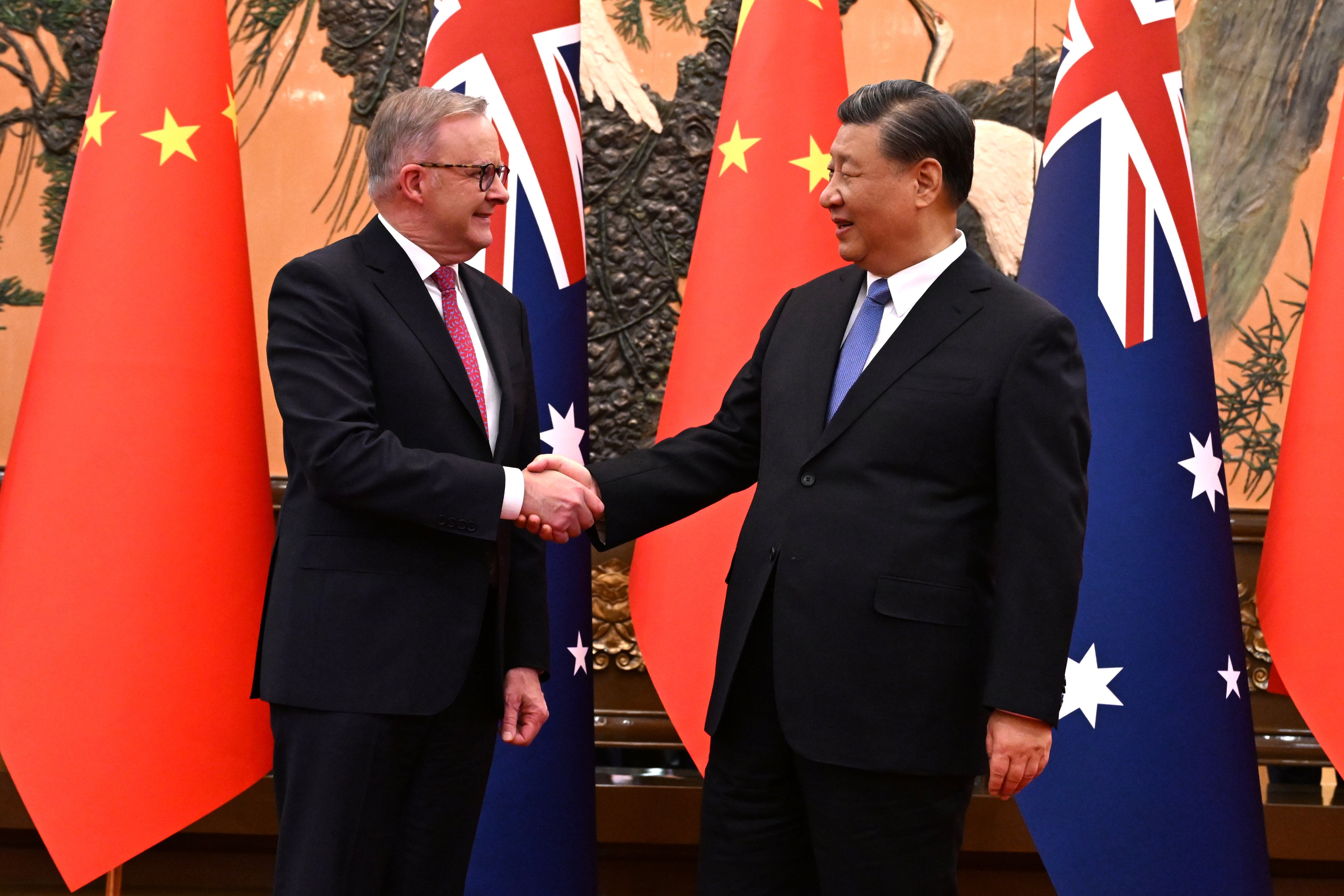
The delegation is not a sign of a permanent shift toward the East, but a sophisticated attempt to rebalance a precarious financial position. Success will be measured in basis points and reserve levels, not in the warmth of the handshakes in Beijing.