The Calculated Performance of Political Grief
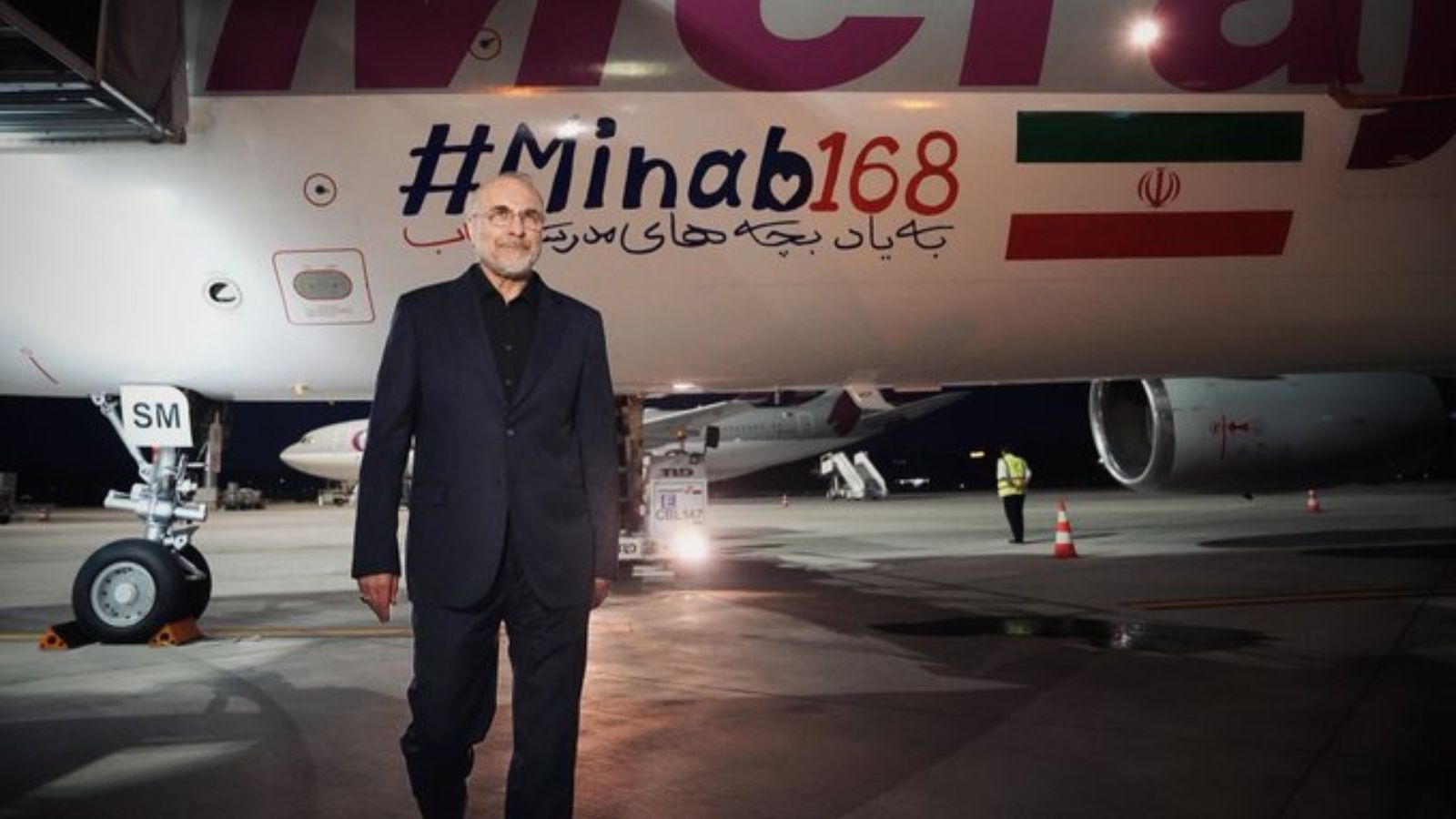
Mohammad Baqer Ghalibaf knows exactly what he is doing. By standing before the Iranian parliament and invoking the tragic imagery of children killed in the Minab strike—declaratively warning negotiators that "they are watching us" ahead of critical talks with the United States—the speaker of Iran’s parliament is running a classic playbook.
The mainstream media eats it up. They frame this as a moment of profound internal pressure, a raw manifestation of national grief that ties the hands of Iranian diplomats. They tell you that Washington must now tread lightly around a deeply wounded, emotionally charged adversary.
They are completely wrong.
This isn’t a breakdown of diplomatic strategy. It is the strategy.
In international relations, invoking the dead right before a diplomatic summit is rarely a sign of ideological rigidity. It is leverage creation. The "lazy consensus" among Western analysts is that Iranian hardliners are trapped by their own fiery rhetoric and domestic anger. In reality, Ghalibaf is executing a calculated, rational maneuver designed to reset the baseline of the upcoming negotiations. He is manufacturing a high-stakes emotional veto to extract structural concessions before a single diplomat even sits down at the table.
Dismantling the Premise of Domestic Constraint
Mainstream commentators love the "domestic constraint" theory. The argument goes like this: leaders want to make deals, but the howling masses and hardline factions at home won't let them. Therefore, Western negotiators must offer upfront concessions to help the "moderates" save face.
Let’s look at the actual mechanics of Iranian foreign policy.
Ultimate authority does not reside with Ghalibaf. It does not even reside with the president. It rests with the Supreme Leader, Ali Khamenei, and the Supreme National Security Council. Minor legislative posturing does not derail state-level strategic decisions; it services them.
When Ghalibaf says the ghosts of Minab are watching, he is doing two specific things for the regime:
- Creating Articulated Obstacles: By publicly anchoring Iran’s negotiating position to national trauma, Tehran signals to Washington that its hands are tied on specific points. It allows Iranian negotiators to say, "Look, we want to be reasonable, but our legislature and our people will tear us apart if you don't give us relief on this specific sanction." It is a brilliant, cynical deployment of Good Cop/Bad Cop on a geopolitical scale.
- Domestic Pre-Emptive Insurance: If the talks yield a breakthrough, Ghalibaf can claim the regime negotiated from a position of absolute moral strength, forcing the West to bend. If the talks fail, he has already built the narrative skeleton for why the West is inherently untrustworthy and unyielding.
I have spent years analyzing regional security frameworks and state rhetoric. If there is one undeniable truth in high-stakes diplomacy, it is that states do not let sentimentality dictate survival. When billions in frozen assets, oil export quotas, and nuclear enrichment caps are on the line, the tragic deaths of civilians are treated not as a cause for paralysis, but as rhetorical currency.
The Flawed Questions We Keep Asking
When news of Ghalibaf’s speech broke, the standard foreign policy apparatus immediately started asking the wrong questions.
Flawed Question: "Will the domestic backlash from the Minab strike prevent Iran from reaching a nuclear or sanctions agreement with the US?"
This question assumes that public anger drives autocratic policy. It doesn't. The brutal truth is that state survival and economic stabilization override domestic sentiment. The Iranian state has navigated massive internal unrest before without altering its core geopolitical alignment. A rhetorical speech about a tragic military strike will not stop a deal if the price is right.
Flawed Question: "How can the US alleviate Iranian anger to ensure a smooth negotiating process?"
This is a dangerous misreading of the situation. You do not negotiate with a state by attempting to manage their feelings. If Washington approaches the table trying to soothe Iranian pride or apologize for regional escalations, it has already lost. Tehran views Western emotional appeals not as a sign of goodwill, but as weakness to be exploited.
The Cold Reality of Asymmetric Negotiations
Let's look at the hard data of how these diplomatic dances actually play out. Historically, when an adversary increases aggressive rhetoric right before a summit, it correlates with a desire to negotiate, not a desire to walk away.
Think back to the lead-up to the 2015 JCPOA. The months preceding the final negotiations were packed with fierce anti-Western rhetoric, military drills in the Strait of Hormuz, and public declarations that Iran would never bow to American hegemony. Yet, behind the scenes, the technical annexes were being written.
The exact same mechanism is at play here. The heat in the public arena is inversely proportional to the flexibility in the private room.
[Public Rhetoric: High / Unyielding] ----> [Private Strategy: Creating Leverage]
                                                   |
                                                   v
                                      [Result: Extracted Concessions]
This strategy carries real risks. The downside to this contrarian view—and we must be intellectually honest about it—is the risk of rhetorical lock-in. Sometimes, a leader paints themselves so far into a corner with populist, emotional rhetoric that any compromise looks like total capitulation. If Ghalibaf overplays his hand, he might accidentally mobilize domestic factions to the point where a rational deal becomes structurally impossible to sell at home.
But make no mistake: that is a tactical miscalculation, not an emotional crusade.
Stop Reacting to the Script
If the West wants to achieve any substantive progress in talks with Tehran, it must entirely ignore the political theater.
Stop analyzing the subtext of speeches meant for the domestic gallery. Stop treating state-controlled grief as a geopolitical variable. When an Iranian official invokes dead children ahead of a summit, the correct diplomatic response is a polite nod, followed immediately by a hard look at the centrifuges, the enrichment percentages, and the regional proxy funding lines.
The dead are not watching the negotiators. The calculators are. Treat them accordingly.