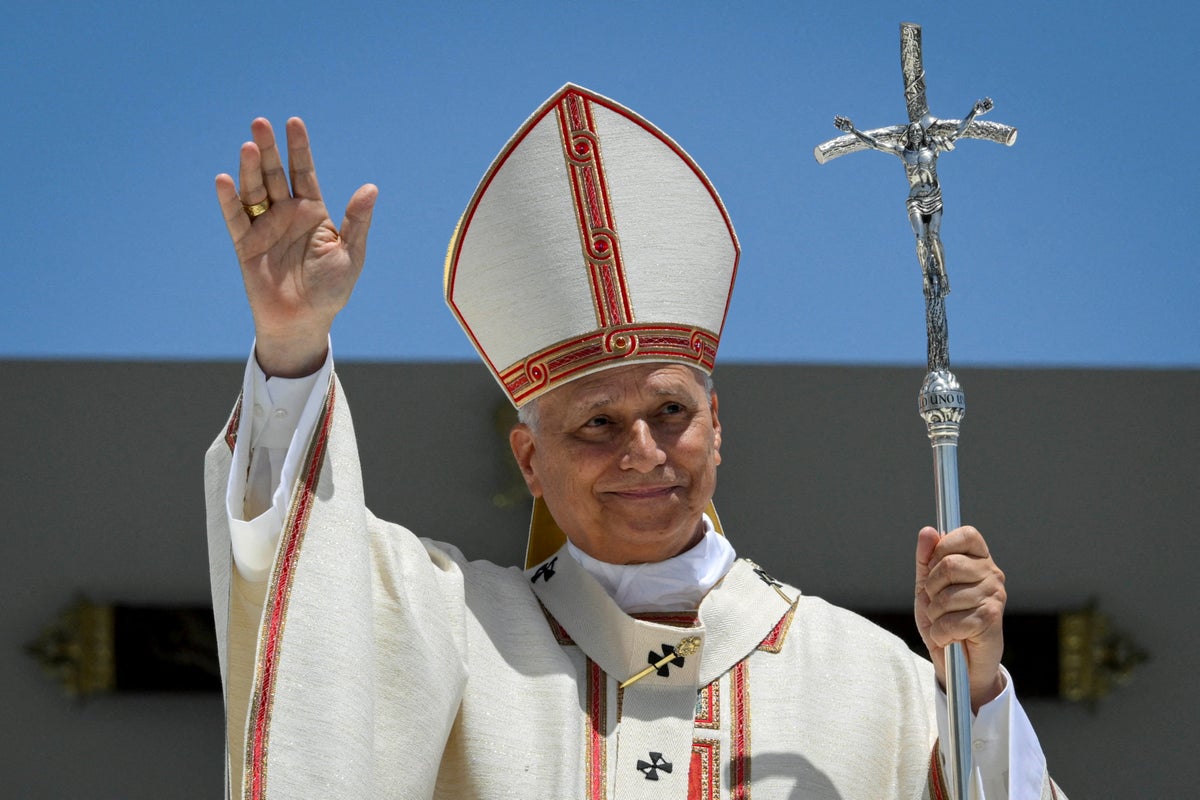
The failure of a papal aircraft creates an immediate intersection of operational risk, diplomatic protocol, and security vulnerability. When Pope Leo’s primary aircraft suffered a technical issue, forcing the utilization of a state aircraft belonging to the King of Spain for the return flight to the Vatican, the incident exposed the underlying dependency frameworks governing sovereign transport. This was not a simple case of borrowed equipment; it was a rapid execution of a high-level bilateral contingency plan.
To understand the mechanics of this event, one must dissect the asset deployment, the legal jurisdictions governing sovereign state aircraft, and the strategic implications of impromptu diplomatic debt.
The Operational Failure and Transport Asset Hierarchy
Sovereign transport operates on a strict hierarchy of redundancy. When a primary asset fails—typically due to mechanical, systemic, or avionics issues—the operational management team faces a compounding timeline of risk. Every hour a head of state remains grounded in a foreign jurisdiction increases the security perimeter costs and complicates airspace routing windows.
The transition from a primary transport asset to an alternative sovereign asset involves three distinct phases:
- The Diagnostic Threshold: The point at which maintenance crews determine that the Mean Time to Repair (MTTR) exceeds the acceptable safety and scheduling margins of the diplomatic mission.
- Asset Vetting and Interoperability: Assessing available regional assets that match the required range, security configurations, and communications suites necessary for a head of state.
- Jurisdictional Transfer: The legal and diplomatic shift that occurs when a leader steps aboard an aircraft owned by a foreign sovereign nation.
In this instance, bypassing standard commercial charters or secondary military assets in favor of the King of Spain’s jet indicates a specific prioritization of speed and status over standard operating procedures.
The Tri-Lateral Framework of Sovereign Aviation Risk
The resolution of this logistical bottleneck relies on three distinct pillars: operational logistics, sovereign immunity laws, and diplomatic reciprocity.
The Operational Logistics Pillar
The deployment of a Spanish state aircraft requires immediate alignment of flight crews, diplomatic clearance overflight permits, and slot allocations at the receiving airport in Italy. Sovereign aircraft do not operate under standard commercial aviation flight rules; they utilize State Flight status, which grants priority routing but requires explicit bilateral authorization from every nation whose airspace is traversed.
[Primary Asset Failure]
       │
       ▼
[MTTR Exceeds Threshold] ──► [Initiate Contingent Sourcing]
                                     │
                                     ▼
                        [Foreign Sovereign Asset Selected]
                                     │
                                     ▼
                        [State Flight Status Activation]
                                     │
                                     ▼
                        [Diplomatic Reciprocity Incurred]
The Legal and Sovereign Immunity Pillar
Under the Chicago Convention and international maritime/aviation law principles, a state aircraft enjoys absolute immunity from foreign jurisdiction. When Pope Leo boarded the Spanish monarch's aircraft, the physical space of the cabin transitioned from a neutral or host-country environment into an extension of Spanish sovereign territory, even while operating on behalf of the Holy See. This created a dual-sovereignty framework: the passenger possessed independent sovereign status, while the transport asset possessed a separate, state-backed immunity.
The Diplomatic Reciprocity Pillar
International relations operate on an implicit ledger of favors and strategic alignment. The immediate provisioning of a royal asset signals a high level of diplomatic alignment between Madrid and the Vatican. This action creates an asymmetric obligation; the Holy See, while non-military, holds immense soft-power capital, and this logistical rescue cements a structural debt that influences future diplomatic alignments, state visits, and bilateral treaties.
Bottlenecks and Structural Limitations in Emergency State Transport
While the resolution was effective, the mechanism relies on variables that introduce significant vulnerability. Relying on foreign state assets introduces three distinct operational bottlenecks.
The first limitation is communication security. A foreign sovereign’s aircraft is equipped with encryption and communication suites tied to that specific nation's military or governmental networks. A guest head of state cannot utilize these systems for secure, classified communications without exposing sensitive data to the host nation’s infrastructure. Pope Leo’s command structure was effectively decoupled from standard Vatican secure channels during the transit window, relying instead on portable, lower-tier encrypted devices.
The second bottleneck involves physical security integration. The Swiss Guard and Vatican security details must integrate instantly with the Spanish military flight crew and onboard security protocols. Two distinct command structures must operate simultaneously within a confined space, creating potential friction points regarding rules of engagement, threat response, and emergency evacuation protocols.
The third limitation is the precedent it sets for security dependency. Accepting a critical asset from a foreign power acknowledges a lack of self-sustaining logistical redundancy. For an institution like the Vatican, which navigates global neutrality, relying on a major European monarchy's military asset temporarily blurs the lines of absolute independence.
Strategic Operational Recommendations for Sovereign Flight Management
To mitigate the systemic risks exposed by this incident, sovereign transportation frameworks must evolve past ad-hoc bilateral rescues.
Governments and independent states must establish pre-negotiated, multi-lateral dry-lease agreements with a network of neutral providers or secondary allied nations. These frameworks must define the exact deployment timelines, cost-allocation formulas, and command-and-control hierarchies before a technical failure occurs.
Security details must conduct regular cross-training exercises with the transport wings of regional allies to ensure that communication protocols and physical protection strategies can merge instantly without operational friction.
The ultimate strategic play requires the institutionalization of a distributed backup fleet model, ensuring that a secondary, standardized asset is always positioned within a two-hour flight radius of any high-profile diplomatic deployment, eliminating the need to leverage foreign sovereign political capital during a mechanical crisis.


