The cancellation of port contracts involving CK Hutchison in Panama represents a fundamental collision between national "logistics sovereignty" and the entrenched legal protections of global maritime operators. While the public discourse focuses on political rhetoric and "outrageous" claims of expropriation, the underlying friction is driven by three structural variables: the expiration of decades-old concession frameworks, the shifting security requirements of the Panama Canal’s transshipment model, and the increasing sensitivity to "Dual-Use" infrastructure controlled by non-aligned foreign entities.
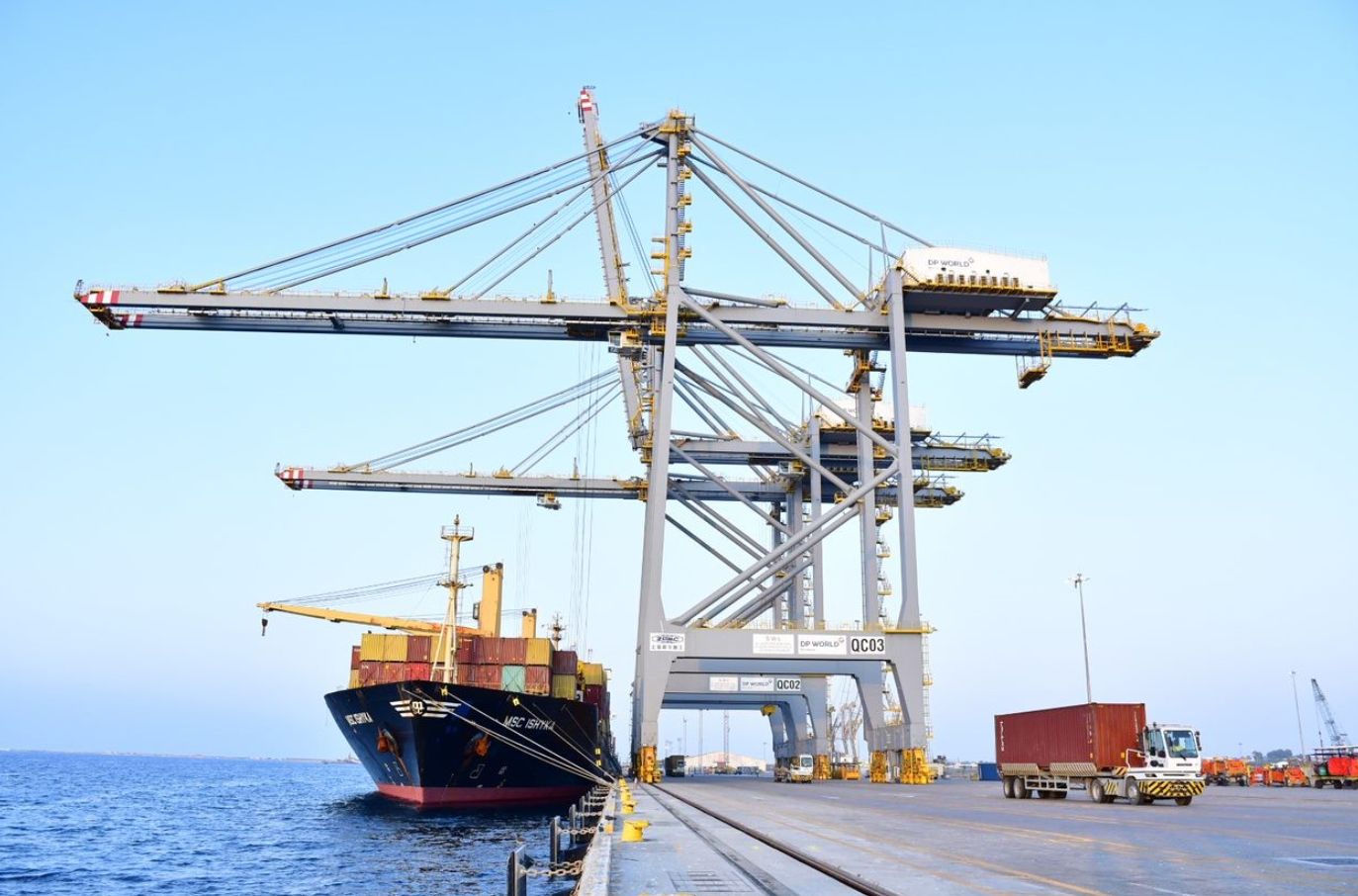
Panama’s decision to terminate or renegotiate these specific contracts is not an isolated act of protectionism. It is a recalibration of the state's role as a landlord. For a nation where the maritime sector accounts for approximately 30% of GDP, the management of the "Interoceanic Strip" is less about short-term tax revenue and more about long-term strategic optionality. When a private operator like CK Hutchison—through its subsidiary Panama Ports Company (PPC)—maintains control over the Pacific and Atlantic gateways (Balboa and Cristobal), the state loses its ability to diversify its logistics portfolio.
The Triad of Concession Friction
The tension between the Panamanian Presidency and CK Hutchison can be deconstructed into three distinct pillars of conflict.
1. The Revenue-Utility Mismatch
Traditional port concessions were often signed under "Front-Loaded" capital expenditure models. The operator invests heavily in cranes and dredging in exchange for low annual fees or "symbolic" dividends to the state. As these concessions mature, the state’s perspective shifts from welcoming investment to measuring the "Opportunity Cost of Land."
If the state perceives that the operator is generating high margins while the public treasury receives minimal distributions—PPC has historically faced scrutiny over its dividend payments to the Panamanian state—the political pressure to "reset" the contract becomes a structural certainty. The Presidency's rejection of CK Hutchison’s claims is an attempt to price in the modern value of the land, which has appreciated significantly since the 1990s.
2. Operational Transparency and Data Sovereignty
Modern maritime logistics are no longer just about moving physical containers; they are about the digital manifests and data flows that accompany them. The Panamanian government’s push for "canceled" or "renegotiated" terms often hides a deeper desire for greater oversight of terminal operating systems (TOS).
When a single entity controls both ends of the canal, they possess a data monopoly on transshipment patterns. For Panama, regaining control or introducing new competitors is a mechanism to ensure that the "Logistics Hub of the Americas" remains an open-access platform rather than a proprietary network owned by a Hong Kong-based conglomerate.
3. Geopolitical Alignment and Security Hedging
The involvement of CK Hutchison brings an unavoidable geopolitical dimension. As a company headquartered in Hong Kong, its control over critical infrastructure at both mouths of the Panama Canal triggers "Security of Supply" concerns, particularly from Panama’s primary customer: the United States.
The Panamanian executive branch operates under a "Strategic Neutrality" mandate. However, maintaining that neutrality requires a diversity of port operators. If the state perceives that one operator’s presence creates a diplomatic bottleneck or invites external pressure, the cost of maintaining that contract increases beyond the financial realm. The "outrageous" claims mentioned by the President are likely a reaction to the legal leverage CK Hutchison is attempting to use through international arbitration—a tool that many sovereign states now view as an infringement on their right to regulate in the public interest.
The Mechanism of Contractual Termination
The legal architecture used to challenge these contracts usually centers on "Compliance Failures" or "Investment Shortfalls." Governments rarely cancel contracts for purely political reasons because of the risk of Investor-State Dispute Settlement (ISDS) claims. Instead, they utilize technical audits.
- Maintenance of Assets: The state argues that the operator failed to maintain the infrastructure to a "World-Class" standard, thereby devaluing the national asset.
- Expansion Clauses: Many concessions include "Trigger Events" where the operator must expand capacity if certain volume thresholds are met. If an operator stalls on expansion to protect their margins elsewhere, the state gains a legal foothold to declare a breach.
- Fiscal Transparency: Audits of "Transfer Pricing" between the local subsidiary and the global parent company are often used to argue that taxable profits were artificially suppressed.
This creates a "War of Attrition" between the government’s auditors and the company’s legal department. The President’s public rejection of the company’s claims is the final stage of this process, signaling that the state is willing to risk the reputational hit of a legal battle to achieve a structural change in the port landscape.
The Cost Function of Expropriation Claims
For a global operator like CK Hutchison, the "Outrageous" label applied by the President is a strategic defensive move. By framing the government's actions as a violation of international law, the company aims to:
- Freeze Replacement Tenders: Potential new bidders (such as US or European port operators) are hesitant to enter a market where the previous tenant is in active litigation.
- Protect Global Precedent: CK Hutchison operates in dozens of countries. Allowing Panama to cancel a contract without a massive payout would signal to other nations (like Egypt or Poland) that they can also challenge existing concessions.
The "Cost of Exit" for Panama includes potential credit rating downgrades and a "Risk Premium" that future investors will demand. The President’s aggressive stance suggests the internal calculation has shifted: the long-term value of a restructured, competitive port sector now outweighs the short-term cost of an ISDS settlement or a temporary dip in FDI.
Structural Vulnerabilities in the Current Model
The primary bottleneck in Panama’s current maritime strategy is the "Concession Lock-in." Many of these agreements were signed for 25 to 50 years. In a world of rapid technological change—autonomous ports, green hydrogen bunkering, and massive vessel upsizing—a 30-year-old contract is an evolutionary dead end.
The second limitation is "Horizontal Integration." When one operator controls multiple berths, they can optimize their own global shipping lines at the expense of other lines. This "Carrier-Terminal Alignment" can lead to higher costs for third-party shippers, reducing the overall competitiveness of the Panama route compared to the Suez Canal or the burgeoning "Land Bridge" rail projects in Mexico and the US.
The Strategic Shift to "Multi-User" Infrastructure
Panama is likely moving toward a "Landlord Port Model" where the state owns the land and the basic infrastructure but leases out specific services to a wider variety of specialized operators. This reduces the risk of a single "Anchor Tenant" having enough leverage to dictate national policy.
This transition requires a sophisticated regulatory body—the Panama Maritime Authority (AMP)—to move away from being a mere collector of fees and toward becoming an active market regulator. The rejection of CK Hutchison’s claims serves as the opening salvo in this institutional maturation.
Recommended Operational Path for Sovereign Logistics Management
- Transition to "Rolling Concessions": Instead of 25-year fixed terms, implement 10-year terms with performance-based renewals. This ensures the operator remains incentivized to invest in the latest technology.
- Mandatory Data Interoperability: Future contracts must require the operator to share real-time operational data with a national logistics platform, breaking the information monopoly.
- Tiered Royalty Structures: Move away from flat fees toward a "Profit-Share" model that scales with the operator's global performance, ensuring the state captures a fair share of the value generated by its geographic position.
The immediate priority for the Panamanian executive is to secure a legal victory or a settlement that permits the immediate re-tendering of the Balboa and Cristobal terminals. The objective is not to expel foreign capital, but to replace a legacy "Monopoly Concession" with a "Competitive Hub" model. Any future operator will likely face significantly more stringent requirements regarding local workforce development and integration into the national "Digital Silk Road" initiative. The era of the "hands-off" concession in the Panama Canal Zone is effectively over.