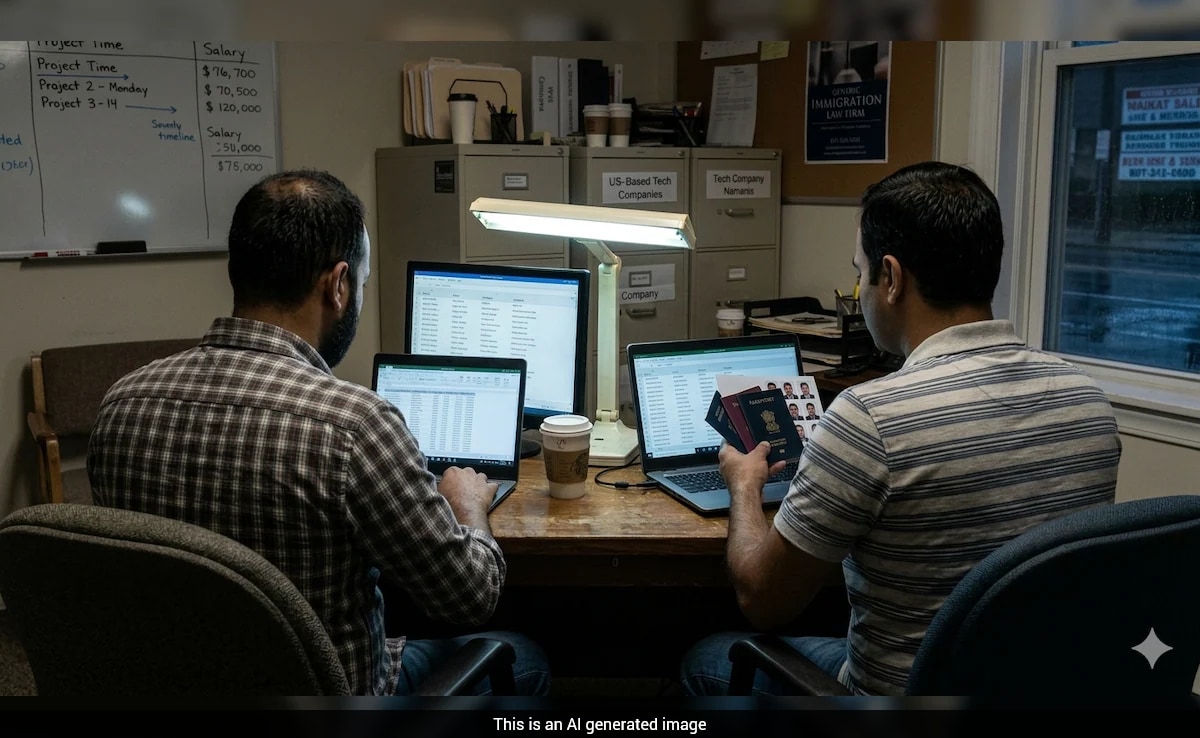
A man sits at a kitchen table in Scranton. The light is dim. He stares at a brokerage app on his phone, watching the red line dip like a dying pulse. He had saved three thousand dollars—money meant for a used car for his daughter—and invested it in a company he believed in. He followed the rules. He read the public reports. He waited for the market to reflect the value of hard work.
Somewhere else, in a room filled with the smell of expensive leather and polished mahogany, a phone vibrates. A whisper travels through the air. A deal is dying. A merger is failing. A regulation is about to be slashed. Before the man in Scranton even wakes up the next morning, the people in that mahogany room have already moved their money. They didn’t guess. They didn’t hope. They knew.
When the market opens, the man in Scranton loses forty percent of his daughter’s car. The people in the room make millions.
This isn't just about stocks. It is about the fundamental promise of a democracy: that the game isn't rigged. When we talk about insider trading in the highest corridors of power—specifically the scrutiny that has trailed the Trump administration and the broader political establishment—we aren't just discussing line items on a financial disclosure form. We are talking about the slow, corrosive acid eating away at the floorboards of our public institutions.
The Silence of the Tipped Scale
Imagine a marathon where everyone starts at the same line, but one runner knows exactly where the shortcuts are hidden. Better yet, that runner helped pave the shortcuts themselves.
The concept of insider trading is built on the possession of "material, non-public information." In the world of high finance, this usually means a CEO knowing their company is about to go bankrupt before the news hits the wires. But in the world of the White House, the "information" is the very fabric of reality. If you are a high-ranking official, you don't just know the news. You are the news.
The controversy surrounding various figures in the Trump era—from Cabinet members with vast portfolios to advisors with ties to global industries—centered on a singular, haunting question: Can a person truly serve the public interest while their private bank account is tied to the very policies they are drafting?
Logically, the answer is no. Human nature is a stubborn thing. We are wired for self-preservation. When a policy decision could either help ten million strangers or save your personal fortune of fifty million dollars, the brain finds a way to justify the latter. It calls it "efficiency." It calls it "being smart."
The Ghost of the STOCK Act
In 2012, there was a rare moment of bipartisan clarity. Congress passed the STOCK Act (Stop Trading on Congressional Knowledge). The goal was simple: make it explicitly clear that the laws against insider trading apply to the people who make the laws. For a moment, it felt like the window had been opened. Light was pouring in.
Then, the shadows returned.
The enforcement of the STOCK Act has been, at best, a whisper in a hurricane. During the Trump administration, the sheer volume of wealthy individuals moving from private equity and corporate boards into the West Wing created a logistical nightmare for ethics watchdogs. We saw officials holding onto stocks in pharmaceutical companies while managing public health crises. We saw investments in energy firms while environmental regulations were being rolled out into the street and shot.
Critics often argue that these are "coincidences." They say that wealthy people simply have diverse portfolios. But coincidence is a luxury the powerful use to shield themselves from the consequences of their timing. If a bridge collapses every time a specific person walks across it, you stop blaming the architecture and start looking at the pedestrian.
The Psychology of the "In" Crowd
Why does this happen? It’s rarely about a cartoonish villain twirling a mustache. It’s about the intoxicating feeling of being "in."
In Washington, information is the only currency that actually matters. Being the person who knows what the President is going to tweet at 6:00 AM before he tweets it is a form of power. If that information happens to involve a tariff on aluminum or a subsidy for corn, that power becomes liquid. It becomes a yacht. It becomes a second home.
The danger isn't just the illegal trade. It’s the "grey trade." It’s the conversation at a cocktail party where a hint is dropped. It’s the way a policy is worded just slightly differently to benefit a former colleague’s hedge fund. This is the invisible corruption. It doesn't leave a paper trail as much as it leaves a scent.
When the public sees a Cabinet member's wealth swell while the average American's savings account is stagnant, something breaks. It’s not just envy. It’s a loss of faith. If the people at the top are playing a different game, why should anyone else follow the rules?
The Empty Chair at the Table
Consider the "retail investor." This is the term Wall Street uses for people like the man in Scranton. It sounds clinical. It sounds small. But the retail investor is the backbone of the entire system. They are the ones who believe in the American dream enough to put their life savings into the hands of strangers.
When insider trading goes unchecked—whether in the White House or on Wall Street—the retail investor is effectively being robbed. Every dollar made on an insider tip is a dollar taken from someone who played by the rules.
There is an empty chair at every high-level policy meeting. It belongs to the citizen who will be affected by the decisions made in that room. When the people sitting in the other chairs are checking their stock tickers, they aren't looking at the empty chair. They have forgotten it exists.
The moral cost of this is staggering. We live in a time of deep polarization, where half the country doesn't trust the other half. But beneath the shouting, there is a shared, quiet realization: the house always wins. If we allow the highest office in the land to become a trading floor, we are confirming the darkest suspicions of our neighbors. We are saying that the "swamp" isn't a place, but a lifestyle.
The Friction of Accountability
Fixing this isn't a matter of more paperwork. It’s a matter of friction.
Transparency is the only thing that creates friction for corruption. There have been calls for years to ban members of the executive branch and Congress from owning individual stocks entirely. The logic is simple: if you want to run the country, you put your money in a blind trust or a broad index fund. You tie your success to the success of the nation, not the success of a specific ticker symbol.
Predictably, the pushback is fierce. "It's too restrictive," they say. "We won't be able to attract top talent."
This is a lie. If the only thing standing between a "top talent" and public service is their ability to day-trade on government secrets, then they aren't the talent we need. We need people who view public service as a sacrifice, not a leverage opportunity.
The Trump era didn't invent this problem, but it did magnify it. It showed us what happens when the guardrails are treated as suggestions. It showed us that "ethics" is a fragile thing, easily crushed by the weight of a gold-plated ego.
The View from the Bottom
The man in Scranton eventually stopped checking his app. He sold what was left of his position, took the loss, and started working overtime shifts at the warehouse. He doesn't read the financial news anymore. He doesn't trust the government to protect his interests. He looks at the headlines about White House ethics and he just shrugs.
"Of course they did," he says.
That shrug is the sound of a collapsing civilization.
It is the sound of a person who has realized that the meritocracy is a myth. When the people who hold the keys to the kingdom are also the ones skimming the till, the very idea of "fairness" becomes a punchline. We can't afford a government of comedians.
We need to return to a world where the person at the kitchen table doesn't feel like a sucker for following the law. We need a system where the mahogany room is subject to the same scrutiny as the warehouse floor. Until then, the red line on the screen isn't just a stock price falling. It’s the heartbeat of a republic growing fainter, one trade at a time.
The ledger must be balanced. Not with more gold, but with the one thing that can't be bought on an insider tip: the trust of a man sitting in the dark, wondering where his daughter's future went.