A ticking chemical time bomb doesn't just vanish when the sirens stop.
When a 34,000-gallon industrial storage tank packed with highly flammable methyl methacrylate (MMA) started cooking itself at the GKN Aerospace plant in Garden Grove, California, it triggered a massive logistical nightmare. Over the 2026 Memorial Day weekend, local officials ordered 50,000 residents across Orange County to drop everything and flee. Fire crews pumped ceaseless streams of water onto the bulging metal shell, praying they could prevent a catastrophic boiling liquid expanding vapor explosion.
An explosion didn't happen. A timely, accidental crack formed in the tank shell, bleeding off pressure and allowing the immediate threat to cool down. But while the physical tank stopped overheating, the legal fallout is hitting a boiling point.
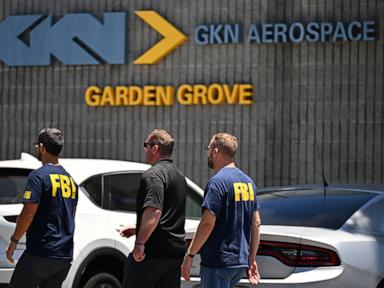
More than 30 lawsuits are already tearing through state and federal courts. Families, workers, and ruined local businesses are targeting GKN Aerospace and its UK-based parent company, Melrose Industries. If you think this is just a standard corporate slip-up that a few insurance payouts can fix, you're looking at it wrong. The sudden arrival of the FBI and the Environmental Protection Agency at the facility to execute federal search warrants signals that this civil legal battle is mutating into a full-blown criminal investigation.
The Real Chaos Behind the Evacuation Orders
Corporate press releases love to focus on how smoothly emergency responses go. The reality on the ground in Garden Grove, Westminster, Anaheim, and Buena Park was chaotic, expensive, and messy.
Imagine being handed an abrupt evacuation order during a holiday weekend with nowhere to go. According to court filings, Debbie Cohran, who lives a mere 500 feet from the 12122 Western Avenue facility, wasn't warned until hours after the chemical tank began failing. By then, she was already breathing in fumes that left her dealing with nausea and severe headaches. In another lawsuit, a mother named Melanie Rose Burciaga had just given birth to her first child and was forced to scramble out of a nearby hospital right as the orders came down.
Then there's the hidden economic hit. Attorneys involved in the litigation estimate that roughly 3,000 local businesses had to lock their doors entirely during the critical multi-day shutdown. Another 3,000 operations right outside the official evacuation zone watched their revenue completely crater because the entire region was locked down by police tape and road closures.
People had to burn through thousands of dollars on short-notice hotels, food, and emergency pet boarding. Hotel rooms in places like Fullerton quickly saw inflated price spikes due to the sudden surge in demand. For working-class families in Orange County, those aren't minor inconveniences. They're financial breaks that take months to recover from.
Why This Isn't a Simple Accident
The core legal argument anchoring these complaints boils down to a single concept: predictable negligence. GKN Aerospace Transparency Systems isn't some new startup unfamiliar with the risks of chemical manufacturing. They've been operating in Garden Grove since 1966, utilizing volatile compounds like MMA to create specialized cockpit windows, windshields, and canopies for military aircraft like the F-35 fighter jet.
Plaintiffs aren't just claiming the tank broke. They're arguing that GKN actively ignored a crumbling infrastructure. The filed complaints outline a failure to fund, inspect, and maintain the precise safety mechanisms meant to stop this exact crisis—namely, the tank's cooling equipment, automated telemetry monitors, and emergency pressure valves.
Worse for GKN, their past is coming back to haunt them. Lawyers are already pointing directly to the facility's prior regulatory friction, including a 2025 air quality violation settlement that carried heavy civil penalties. The lawsuits argue that this recent track record means the company was on clear notice that its hazardous material storage required flawless, conservative maintenance. They didn't deliver, and a neighborhood paid the price.
The Specific Legal Claims Being Deployed
Lawyers are attacking GKN from several distinct angles to maximize corporate accountability:
- Mass Tort and Individual Complaints: Local firms are stacking up individual cases representing residents who suffered immediate physical harm. People like Juan Diego Orozco, a street repairman working nearby when the overheating started, who ended up hospitalized with severe breathing difficulties and vomiting.
- Federal Class Actions: At least ten federal lawsuits seek to represent all property owners and renters within the designated evacuation zone. These focus heavily on economic damages, displacement costs, and the drop in overall property values.
- The Trespass Doctrine: In a fascinating legal strategy, several complaints accuse the aerospace giant of civil trespass. The argument states that the migration of toxic chemical vapors, noxious odors, and airborne particles directly into private backyards and living rooms constitutes an unlawful, physical invasion of property.
What Happens When the FBI Steps In
If GKN's legal team thought they could quietly settle these cases behind closed doors, those hopes died when federal agents swarmed the property.
The FBI and the EPA's criminal enforcement division executed a sweeping federal search warrant at the plant. They didn't just walk out with a few files. The warrant authorized the outright seizure of physical chemical samples from every drum and vat on site, alongside internal maintenance logs, temperature tracking data, and emails regarding the "storage, use, or disposal" of methyl methacrylate.
Simultaneously, Orange County District Attorney Todd Spitzer launched a separate state criminal probe, setting up whistleblower hotlines and utilizing drones to map the facility. The DA publically noted that the company wasn't giving satisfactory answers.
This dual-track criminal investigation completely alters the civil litigation timeline. In complex mass tort environments, federal civil cases usually get consolidated under a single judge through multidistrict litigation mechanisms to keep things moving. But when the Department of Justice starts hunting for federal environmental crimes, civil discovery often gets paused or heavily influenced by what the feds dig up. If the FBI uncovers internal memos proving GKN supervisors knew the cooling systems were failing weeks before the May crisis, the punitive damages in the civil lawsuits will skyrocket into seven and eight-figure territory.
The Massive Community Backlash
The fight has quickly spilled out of the courtrooms and right into local government chambers. During recent Garden Grove City Council meetings, furious community coalitions packed the house, loudly rejecting any future permit expansions for the plant.
The core issue is a deep-seated anger over a massive military contractor storing tens of thousands of gallons of explosive chemicals directly adjacent to schools and dense residential neighborhoods for three decades without transparent public warnings. Activists are already demanding a strict half-mile buffer zone between industrial chemical storage and local homes, with many calling for the permanent closure or forced relocation of the GKN facility.
While senior corporate executives have publicly apologized for the holiday disruption, they've resisted committing to moving the chemical tanks, claiming it's too early in the investigation to make that call. That corporate hesitation is only fueling the community's fire.
Your Immediate Legal Next Steps
If you live or operate a business in the Garden Grove, Westminster, Anaheim, or Buena Park areas and were affected by the late May chemical emergency, you shouldn't sit around waiting for a corporate relief fund to fairly value your losses.
First, compile every single receipt tied to your evacuation. This includes hotel bills, restaurant receipts, gas station charges, and documentation of lost wages or business revenue during the shutdown days.
Second, pull any medical records or urgent care discharge papers if you or your children experienced headaches, eye irritation, nausea, or breathing issues when the vapors were venting.
Finally, consult with independent legal counsel specializing in California environmental toxic torts before signing anything presented by GKN representatives. Joining an active class action or launching an individual mass tort claim is the only reliable way to ensure your property damage, out-of-pocket expenses, and long-term health monitoring needs are fully covered.