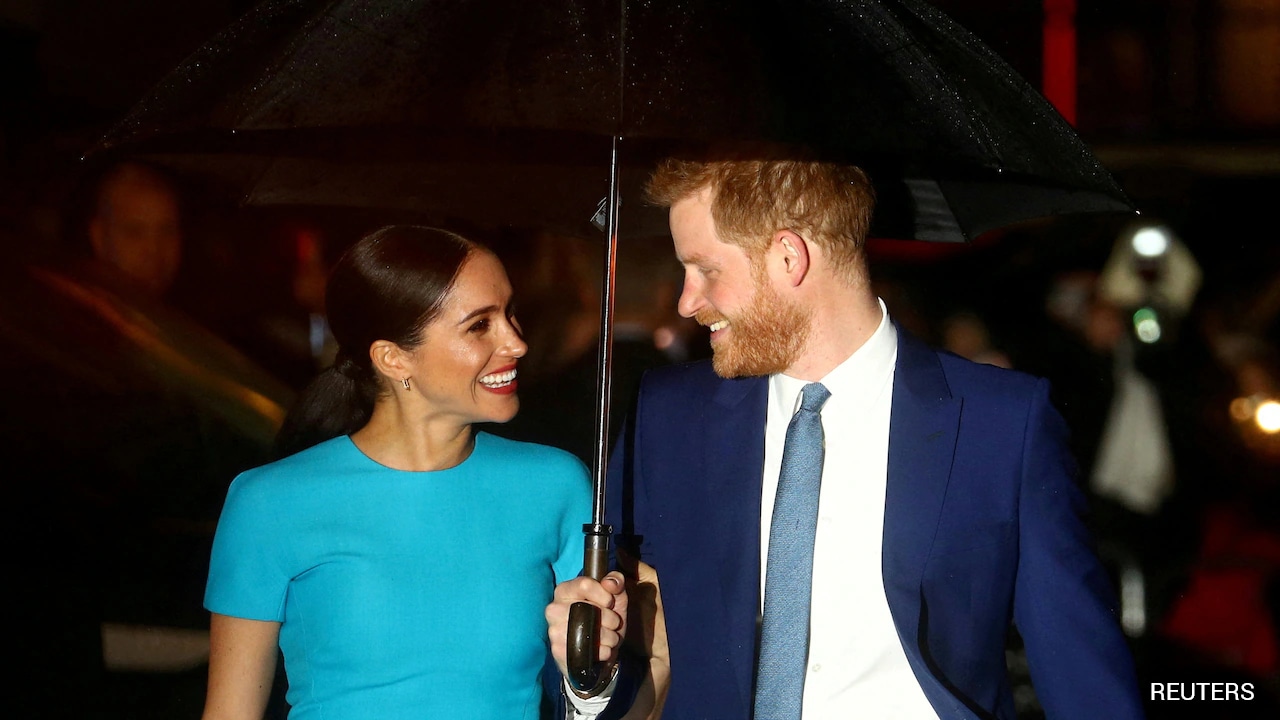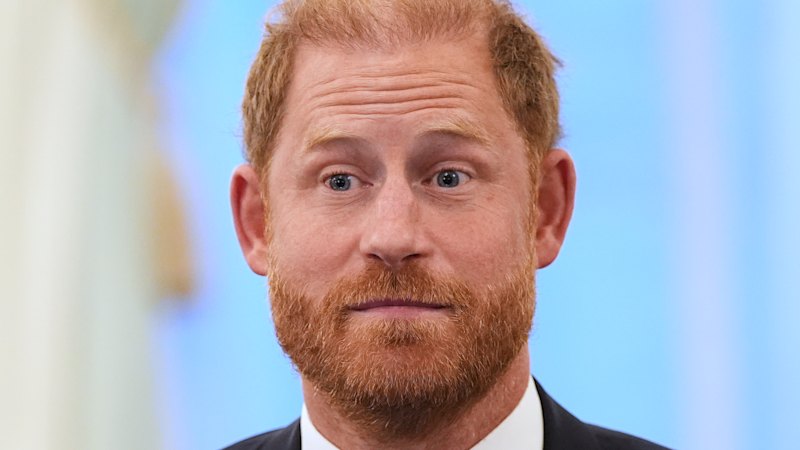
Every royal commentator and tabloid columnist loves a tragedy script. The lazy consensus states that the Duke and Duchess of Sussex stepping foot back on British soil spells certain doom, guaranteed humiliation, and an inevitable reopening of ancient family scars. The narrative writes itself: two exiles crawling back to a fortress that locked its gates, walking straight into a firing squad of hostile press and cold shoulders.
It is a remarkably lazy reading of modern reputation management and personal survival.
I have spent years advising public figures through severe reputational crises, watching brands and high-profile individuals miscalculate public fatigue. The standard advice is always retreat, hide, and double down on isolation. It feels safe. It is also a slow death for relevance. Harry and Meghan going home does not mean re-entering the old trap. It means changing the terms of engagement entirely.
Let us dismantle the myth that old wounds never heal simply because people refuse to put down the salt.
The Trap of Permanent Exile
Isolation feels protective until it becomes a cage. When public figures cut ties entirely, they hand complete narrative control over to their detractors. Every rumor multiplies in a vacuum because there is no counter-evidence on the ground.
The conventional wisdom warns that returning to the United Kingdom invites a PR disaster. Why? Because the hostile tabloids will write nasty headlines? Let me break a secret to you: those headlines never stopped anyway. Distance did not buy them immunity from British media hostility; it just meant they had no operational presence to shift the news cycle.
When you stay away indefinitely, you signal that you are afraid. Fear breeds irrelevance. And in the modern attention economy, irrelevance is far more dangerous than controversy.
Staying out of the fight does not end the war. It just allows the other side to write history unopposed.
Why Physical Presence Changes the Dynamic
Optics shift radically when someone stops hiding. A staged photograph in California carries a very different weight than an unblinking, calm appearance in London.
Imagine a scenario where Harry walks into a charitable engagement in central London without a defensive media shield, handling press microphones with direct eye contact. The visual grammar changes instantly. The exile narrative collapses the moment the exiled person looks entirely unbothered by the court that banished them.
Critics argue that family tensions run too deep, citing leaked memos and anonymous palace sources. Let us be entirely realistic about those sources. Anonymous palace aides do not speak for constitutional stability; they speak for their own job preservation. The royal family as an institution thrives on drama because drama keeps them on the front pages. By refusing to engage physically, Harry and Meghan have allowed themselves to be painted as permanent victims of a machine they cannot control.
Stepping back into the arena breaks that caricature. It forces the institution to react in real-time, and institutions hate real-time unpredictability.
The Cost of Staying Away
Every month spent entirely outside the UK diminishes their strategic footprint. Their brand was built on a specific intersection of British heritage and global ambition. Strip away the British anchor entirely, and they risk becoming just another pair of wealthy podcasters in Montecito, shouting into a crowded digital room.
The downsides of returning are obvious: hostile crowds, intrusive photographers, and uncomfortable family dynamics. I will not sugarcoat it. It will be deeply unpleasant. But leadership and brand reclamation require absorbing short-term friction for long-term strategic dominance. Comfort is the enemy of a turnaround.
If they manage the return with surgical precision—focusing strictly on causes, veterans, and undeniable humanitarian work rather than defensive interviews—the old wounds stop being open sores and start looking like old news. Public attention spans are notoriously short, and fatigue sets in fast when targets refuse to play the victim.
Stop trying to protect an image by running from the geography that created it. Go back, look the critics in the eye, and watch how fast the drama deflates when nobody is cowering.