Soil gets under your fingernails and stays there. You can scrub with pumice stone until your skin turns raw, but a farmer knows the dark crescent under the nail is a permanent tattoo of the trade.
Meet Arthur. He is hypothetical, yes, but he shares a heartbeat with thousands of men and women across the American Midwest who wake up before the sun to check commodity ticker tapes. Arthur owns three thousand acres of rich, black Illinois dirt. For decades, his rhythm was simple. Plant. Rain. Sun. Harvest. Sell to China.
China bought everything. Mountains of golden soybeans, scooped up by the cargo ship full, destined for massive processing plants across the Pacific where they became meal for the world's largest pork industry. It was a comfortable pipeline. A predictable heartbeat.
Until the rhythm stuttered.
Demand cooled. Warehouses swelled. The giant across the ocean stopped buying at the historic volumes Arthur and his neighbors relied upon. Suddenly, millions of bushels of protein-packed legumes had nowhere to go. Prices sagged. The quiet panic set in.
Consider what happens next when a giant market slams its doors. Do you let the harvest rot? Do you walk away from land your grandfather cleared with his own hands?
No. You pivot.
The Pivot West and South
When the old customer stops calling, you look for new friends. American soybean growers found themselves staring at a map, realizing the global appetite for vegetable protein and green energy was shifting beneath their feet.
Instead of waiting for the behemoth across the Pacific to return, cultivators started looking toward alternative international buyers. Nations in Southeast Asia, the Middle East, and North Africa suddenly found American grain salesmen on their doorsteps. These markets were smaller individually, but stitched together, they formed a patchwork quilt of demand.
At the same time, a domestic revolution was quietly taking root right in America's backyard.
Refineries wanted oil. Not for frying french fries, but for fuel.
Turning Harvest into Motion
Imagine standing inside a modern biorefinery. The air smells warm, faintly sweet, like toasted grain mixed with chemistry. Giant stainless steel vats hum with a low, constant vibration. Inside those vats, soybean oil undergoes a quiet transformation, turning into biodiesel and renewable diesel destined to power heavy-duty trucks, tractors, and airplanes.
This was no longer just agriculture. This was energy independence disguised as a bean.
Domestic biofuel mandates and corporate net-zero commitments created a ravenous appetite for plant-based oils. Growers realized that a significant chunk of the harvest would never cross an ocean. Instead, it would travel down the road to a local processing plant, emerging as green fuel to run the very machinery used to harvest it.
A closed loop. A self-sustaining circle.
The Human Cost of Adaptation
Change is rarely painless. Switching buyers means rewriting trade relationships built over generations. Upgrading storage facilities to handle shifting export specs costs millions. For a family farm, a miscalculated bet can mean losing the homestead.
Arthur watched his grain bins fill to the brim while export prices fluctuated wildly. There were nights at the kitchen table with bills spread out like a puzzle with missing pieces, the coffee getting cold while the radio murmured about global trade tensions. Fear is a heavy blanket.
Yet, resilience is woven into the American agricultural DNA. Growers adapted. They diversified their crop rotations. They signed contracts with domestic biofuel plants years in advance to lock in predictable margins. They learned the intricate logistics of shipping to smaller ports in alternative countries.
The strategy worked, but the landscape changed forever. The days of relying on a single dominant superpower for economic survival are gone.
The Final Harvest
Out in the fields, the combine roars to life, cutting through the amber stalks with a steady, mechanical rhythm. A golden plume of chaff shoots from the auger, dancing in the autumn wind before settling back onto the earth.
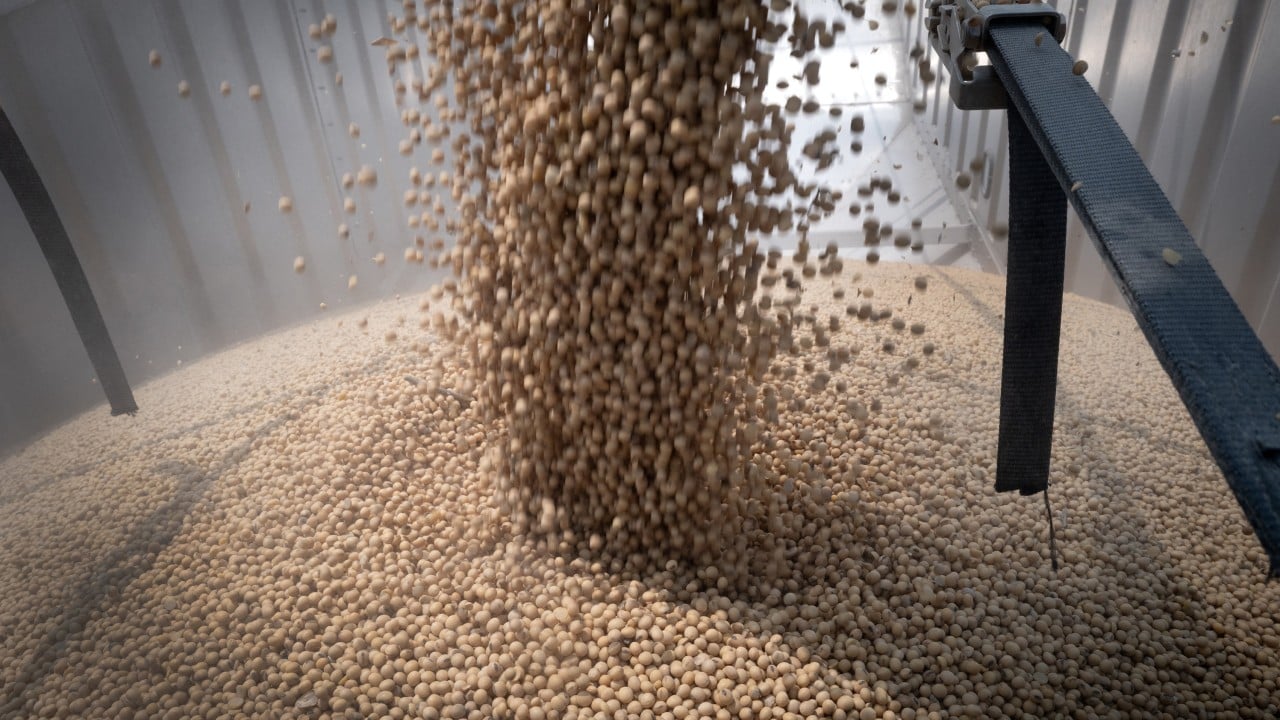
Arthur climbs down from the cab, pulls off his heavy leather gloves, and picks up a handful of newly threshed soybeans. They are smooth, hard, and heavy. They might travel across the world to a new buyer in an emerging market, or they might end up powering a cross-country freight truck on an interstate highway fifty miles away.
The destination is uncertain. But the ground beneath his boots remains.