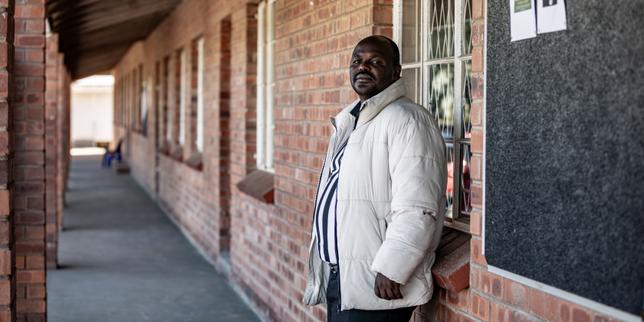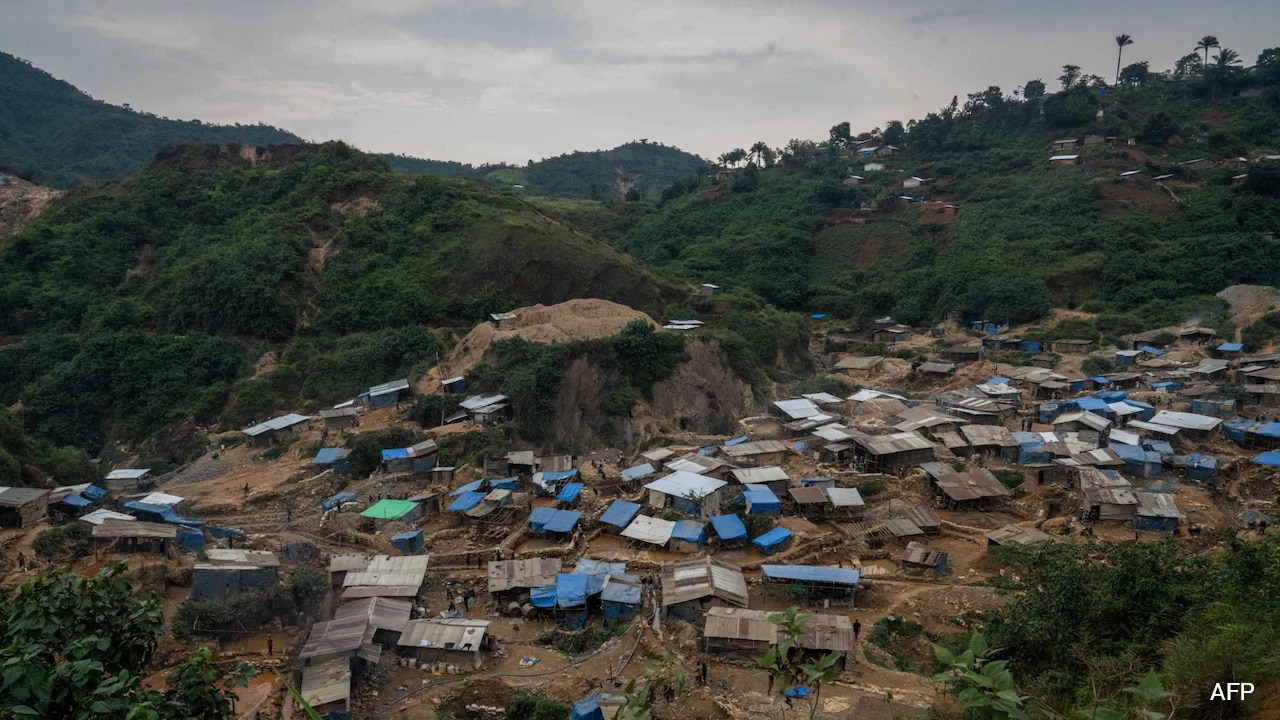
The dirt under Alphonse’s fingernails is not ordinary mud. It is a thick, reddish clay mixed with the glint of flecks that men kill for. Alphonse is nineteen, though his shoulders curve with the weight of a man three times his age. Every morning, before the mist clears from the canopy of the Democratic Republic of Congo’s northeastern rainforests, he descends into a hand-dug pit. He breathes in dust, stagnant water, and the copper scent of overturned earth.
He is looking for gold. What he and thousands of independent miners like him are actually unearthing, however, is a biological tripwire.
For decades, the world viewed Ebola outbreaks through a relatively simple lens. A villager handles contaminated bushmeat—perhaps a fruit bat or a monkey—falls ill, and a localized wildfire of hemorrhagic fever begins. It was tragic, horrific, but seemingly contained by geography and sudden, brutal happenstance.
But science is realizing that we had the story backward. Ebola outbreaks are not random acts of nature. They are being actively mined out of the earth.
The Dark Canopy and the Disturbed Sleep
To understand why a young man holding a shovel in the Congo matters to a global health official in Geneva, you have to understand the ecology of fear.
Deep within the primary rainforests of the Congo Basin lives the hammer-headed bat. It is a creature that looks like a gothic fever dream, with a massive, blocky snout and a wingspan that can reach nearly a meter. These bats, along with several related species, are the suspected natural reservoirs of the Ebola virus. For millennia, they lived undisturbed in the highest tiers of the forest canopy, miles away from human habitation. The virus stayed with them, looping silently through wild populations, safely locked away by hundreds of miles of impenetrable green.
Then came the global hunger for electronics, jewelry, and stable currency.
When international gold prices surge, the ripples are felt instantly in places like Ituri and North Kivu provinces. Poverty-stricken communities have few options. Artisanal mining—informal, unregulated, and incredibly hazardous digging—becomes the only viable lottery ticket.
Consider a hypothetical but highly representative day in an expanding mining camp called Kamituga. A decade ago, this was a dense forest. Today, it is a scar. To clear the land for mining pits, workers fell the ancient hardwood trees. They burn the brush.
When those trees fall, the bats lose their homes.
Imagine hundreds of thousands of displaced, highly stressed mammals suddenly forced out of their natural habitat. When animals are stressed, their immune systems crash. When their immune systems crash, viral shedding skyrockets. The bats fly lower, seeking shelter in the banana trees planted around the new human settlements. They drop partially eaten fruit into backyards. They urinate on the tarps covering miners' tents.
The gap between a lethal pathogen and a human host shrinks from miles to millimeters.
The Anatomy of an Outbreak Machine
It is easy to look at this situation from the comfort of a modern city and think, surely they see the risk.
But economic desperation creates a profound psychological myopia. When your children are hungry today, a invisible virus that might kill you next week feels like a luxury problem. The miners are not ignorant; they are trapped.
The real danger amplifies exponentially because of how artisanal mining operations are structured. These are not corporate sites with medical bays, safety briefings, and sanitation infrastructure. They are chaotic, sprawling shantytowns that spring up overnight.
- Crowding: Thousands of migratory workers live crammed into makeshift shelters sharing minimal water resources.
- Mobility: Miners are transient. If a pit runs dry, or if violence flares up, they pack their meager belongings and walk twenty miles to the next site, or board a motorbike taxi to a major trading hub like Butembo or Beni.
- Diet: With no formal supply chains, miners rely heavily on bushmeat for protein, increasing the direct handling of potential viral hosts.
Let us trace the logistics of disaster.
If Alphonse contracts the virus from a contaminated piece of fruit or a bat bite at an isolated mining site, he won't immediately know it. The incubation period of Ebola can last up to 21 days. For three weeks, he feels fine. He keeps digging. He drinks palm wine with his friends. He visits a cousin two towns over.
By the time the joints begin to ache and the fever burns through his veins, Alphonse is no longer in the isolated forest. He is in a crowded urban center.
The mining economy functions exactly like a super-spreader network designed by a malicious engineer. It strips the forest, concentrates vulnerable people, and then disperses them across vast distances before symptoms even appear.
Shattering the Myths of Response
During the massive 2018–2020 Ebola outbreak in eastern Congo, which claimed over 2,200 lives, epidemiologists kept running into a wall. They had a highly effective vaccine. They had experimental treatments that could save lives if administered early. Yet, the numbers kept climbing.
The missing link was trust, heavily complicated by the mechanics of the gold trade.
In these gold-rich regions, government authorities are rarely seen as protectors. Instead, they are often associated with taxation, corruption, or military exploitation. When health workers arrive in white biohazard suits, driving expensive SUVs and telling people to stop mining or to alter their burial practices, it does not look like a rescue mission. It looks like an occupation.
Furthermore, a miner who admits to being sick faces immediate economic ruin. If a camp is quarantined, everyone loses their income. Sick miners frequently hide their symptoms, fleeing into the deep forest or traveling to traditional healers rather than entering government-run Ebola Treatment Centers.
The data confirms this tragic pattern. Public health studies tracking recent outbreaks have shown a direct geographic correlation between newly established artisanal mining corridors and the emergence of primary Ebola cases. It is no longer a theory. The gold trail is a viral highway.
Beyond the Biohazard Suit
We cannot vaccinate our way out of an ecological crisis.
If the global community continues to treat Ebola purely as a medical emergency—a fire to be put out with hoses and experimental drugs once it burns out of control—we will lose. The fires are going to become too frequent, and too large to contain.
The solution requires a fundamental shift in how we view global health security. It requires looking at the supply chain of the gold in our wedding bands and our smartphones.
[Forest Clearing] ➔ [Bat Displacements] ➔ [Viral Shedding] ➔ [Human Contact] ➔ [Migrant Dispersion]
True prevention means investing in the stabilization of these mining communities. It means formalizing the artisanal mining sector so that workers have rights, basic sanitation, and alternative livelihoods that do not require destroying primary forests. It means recognizing that environmental degradation in Africa is not a localized tragedy; it is a global vulnerability.
The red clay under Alphonse's fingernails will eventually be washed away. The gold he finds will be smelted, refined, stamped, and sold on international exchanges, completely cleansed of its origin story. It will end up in a vault or around a neck, shiny and pure.
Back in the forest, the canopy remains broken. A bat flies low in the twilight, searching for a place to rest, its breath carrying a payload that could alter the world. The shovel hits the dirt again.