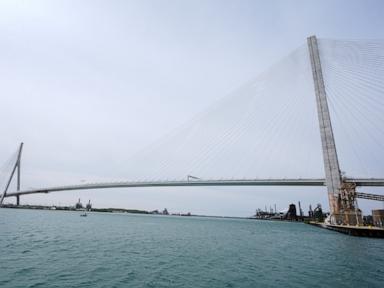
The multi-billion-dollar international crossing project linking Windsor and Detroit is facing yet another timeline correction, proving that building critical infrastructure across a federal border remains an exercise in bureaucratic endurance. Mark Carney’s recent acknowledgment that the bridge opening may take a little longer than initially projected is not merely a scheduling hiccup. It is a reflection of systemic supply chain frictions, labor shortages, and the compounding regulatory hurdles inherent in modern binational megaprojects. For logistics networks and manufacturing hubs relying on this corridor, the delay defers billions of dollars in projected efficiency gains.
The official narrative often points toward unpredictable weather or routine engineering adjustments to explain these shifts. While those factors play a part, they serve as convenient covers for deeper, more structural realities.
The Myth of the Fixed Timeline
Megaprojects of this scale rarely finish on time. The friction begins long before the first pouring of concrete, embedded deep within the conflicting regulatory frameworks of two distinct federal governments. A bridge connecting Canada and the United States requires alignment between agencies that operate on entirely different bureaucratic cycles and political mandates.
When a public figure indicates that an opening will take longer, it is usually the result of months of internal pressure boiling over. Labor markets on both sides of the border have tightened significantly over the last few years. Specialized steelworkers, heavy equipment operators, and marine engineering specialists are in short supply. Project managers are forced to compete with domestic infrastructure spending sprees in both nations, driving up labor costs and poaching talent mid-stream.
Material procurement introduces another layer of volatility. The Buy America requirements on the southern side of the river frequently clash with Canadian supply chains, creating legal and logistical logjams over where components are melted, manufactured, and assembled. It is a delicate legal dance. One wrong step can halt construction for weeks while lawyers audit the lineage of a steel beam.
The Economic Cost of Idle Concrete
Every month of delay inflicts a quiet but severe penalty on the regional economy. The existing crossings, including the aging Ambassador Bridge, operate under immense strain.
+---------------------------+-----------------------------------+
| Crossing Route            | Daily Commercial Truck Volume     |
+---------------------------+-----------------------------------+
| Ambassador Bridge         | Approximately 7,000 to 8,000      |
| Blue Water Bridge         | Approximately 4,500               |
| New Corridor (Projected)  | Anticipated to absorb 30% of total|
+---------------------------+-----------------------------------+
Automotive manufacturers rely on just-in-time delivery models. Components cross the Detroit River multiple times during the assembly of a single vehicle. When traffic bottlenecks at the border due to customs delays or infrastructure capacity limits, assembly lines slow down. The new bridge was promised as an insurance policy against these precise vulnerabilities.
The delay means that carriers must continue to bake congestion premiums into their freight rates. Logistics providers cannot optimize their routes based on a bridge that remains unavailable. They are stuck using older infrastructure that requires frequent maintenance closures, further throttling the flow of commerce.
The Customs Integration Bottleneck
Building the physical towers and spinning the suspension cables is only half the battle. The real complications often lie at the plazas on either end of the structure.
The Canadian and American border inspection facilities are massive operations designed to process thousands of trucks daily. Integrating the disparate digital tracking systems of the Canada Border Services Agency and U.S. Customs and Border Protection is a monumental software challenge. These systems must communicate in real time to pre-clear commercial loads before they even reach the span.
When physical construction outpaces software integration, delays are inevitable. Testing these high-security networks requires months of dry runs. A single glitch in the automated license plate readers or radiological screening matrices can cause a multi-mile backup on the approaching freeways, rendering the advanced engineering of the bridge itself useless.
Environmental Counter-Currents
Local environmental mitigations also extend the construction calendar. The Detroit River is a highly industrial waterway with a century of sediment buildup.
Dredging operations and shoreline stabilization efforts must comply with strict seasonal windows to protect local fish spawning cycles. If a engineering team misses a specific three-week deployment window due to equipment failure or high winds, that specific phase of construction can be pushed back by six months. The public rarely hears about these ecological constraints, yet they dictate the pace of work just as much as funding availability.
The Financial Fallout for Private Backers
Public-private partnerships are built on tight financial modeling. The consortiums funding these projects count on toll revenues commencing on a specific date to begin servicing their massive debt loads.
- Interest Accumulation: As the calendar stretches, the interest on construction loans continues to compound, adding millions to the final price tag.
- Contractual Penalties: Standard international construction agreements contain liquidated damages clauses that penalize contractors for missing key milestones, leading to inevitable legal finger-pointing.
- Risk Premium Escalation: Future infrastructure projects will face higher borrowing costs as lenders price in the reality that binational corridors routinely blow past their target dates.
This financial pressure creates a tense atmosphere on the job site. Rushing the work to meet a revised deadline risks compromising safety or quality control, which would ultimately trigger even longer delays under regulatory scrutiny. Project leaders are caught in a vise between fiscal realities and engineering integrity.
The reality of international infrastructure development is that political promises always collide with material limitations. The crossing will eventually open, but the current delay serves as a stark reminder that underestimating the friction of a international border is a mistake that carries a heavy price tag for the entire continent's supply chain network.