New Delhi faces a brutal geometry problem across Eurasia. The core dilemma centers on how India navigates its strategic vision within the Shanghai Cooperation Organisation while balancing the heavy gravity of the China-Pakistan Economic Corridor and its own investments at Chabahar Port.
Observers often miss the fundamental friction governing these rival trade veins. Connectivity projects in this region rarely function as simple commercial ventures. Every kilometer of asphalt and every newly dredged shipping berth serves as an instrument of statecraft designed to project political reach, secure resource corridors, and outflank regional rivals.
The Chabahar Paradox
When India signed a long-term agreement to operate the Shahid Beheshti terminal at Iran's Chabahar Port, the move was hailed as a geopolitical masterstroke. It bypassed Pakistan entirely. It provided a direct route into Afghanistan and Central Asia.
Reality proved far more complicated. U.S. sanctions cast a long, chilling shadow over foreign investment and equipment procurement for the port. International shipping lines hesitated to touch Iranian infrastructure out of fear of secondary penalties from Washington.
Tehran also proved to be a volatile partner. Bureaucratic inertia inside Iranian ministries frequently stalled cargo clearance and infrastructure integration. India wanted a swift, efficient transit hub to counter Beijing's commercial footprints. Instead, New Delhi found itself managing a slow-burning diplomatic quagmire that required constant negotiation between Western sanctions compliance and Iranian domestic politics.
Despite these friction points, Chabahar remains irreplaceable for Indian trade ambitions. It stands as the only maritime gateway allowing Indian goods to bypass Karachi and Gwadar, pushing straight north toward the landlocked markets of Central Asia through the International North-South Transport Corridor.
The CPEC Shadow
To understand why New Delhi treats the Shanghai Cooperation Organisation as a high-stakes diplomatic theater, one must look at the physical architecture of the China-Pakistan Economic Corridor. Beijing is pouring tens of billions of dollars into roads, railways, and energy pipelines slicing through Pakistan-administered Kashmir, terminating at the deep-water port of Gwadar.
India's opposition to this corridor is a matter of territorial sovereignty. The route violates core Indian legal positions regarding sovereignty over Gilgit-Baltistan.
Beyond legalities lies a stark security calculation. If CPEC reaches full operational maturity, it grants China a permanent strategic foothold directly overlooking the Arabian Sea and the vital oil shipping lanes of the Persian Gulf. Beijing gains a direct overland export route bypassing the Malacca Strait, a notorious choke point vulnerable to foreign naval blockades during a conflict.
This infrastructure web threatens to isolate India diplomatically within Central Asian forums. When Central Asian republics look south toward warm-water ports, they increasingly see a choice between a Chinese-backed corridor through Pakistan and an Indian-backed corridor struggling against sanctions in Iran.
Navigating the Shanghai Cooperation Organisation
This brings us to the multilateral balancing act inside the Shanghai Cooperation Organisation. Critics often question why India maintains active membership in a bloc heavily influenced by Beijing and Moscow.
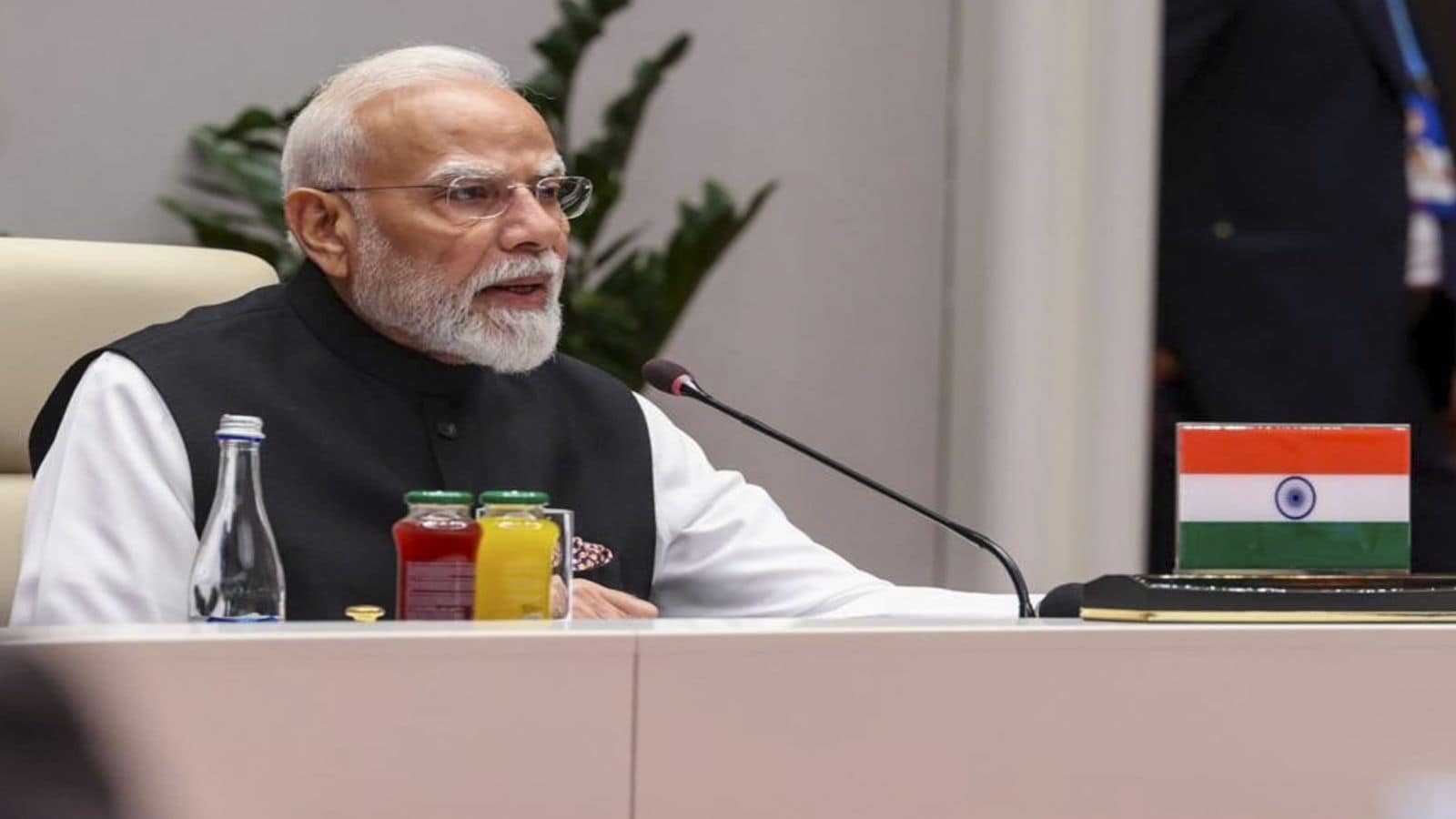
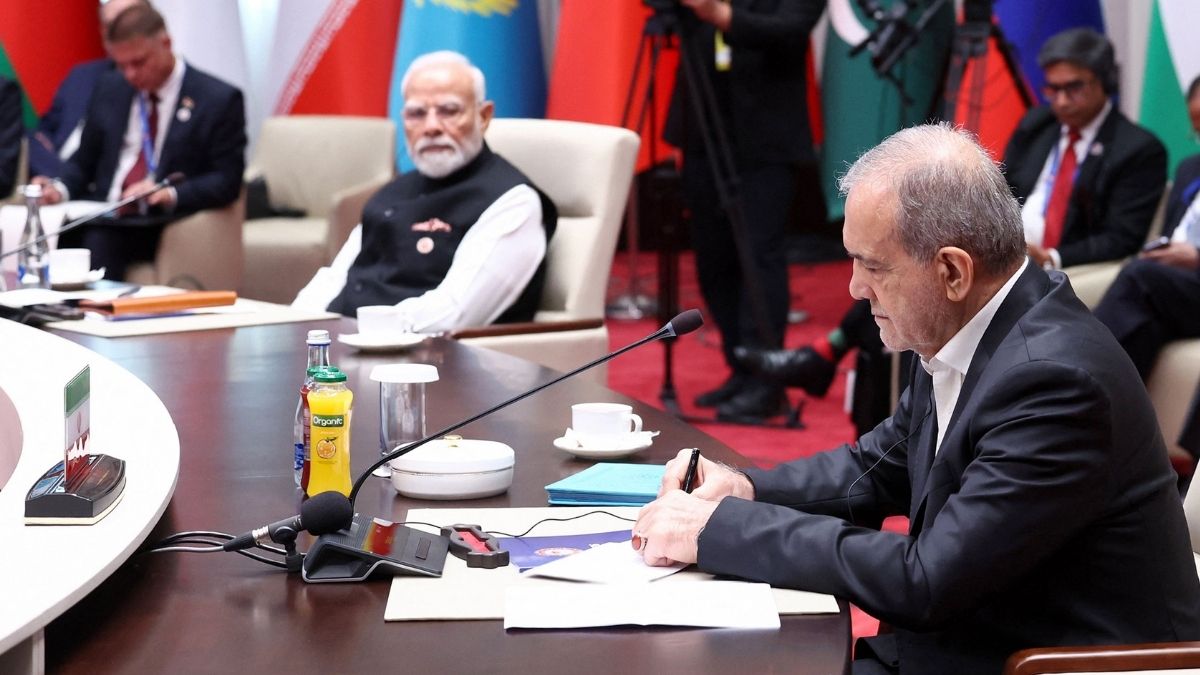
The answer lies in direct diplomatic engagement. Empty chairs do not shape policy outcomes. By sitting at the table in SCO summits, New Delhi maintains a direct channel to Central Asian capitals that view India as a vital counterweight to Chinese economic dominance.
Kazakhstan, Uzbekistan, and Kyrgyzstan desperately want a multi-vector foreign policy. They do not want to become economic satellites of Beijing. They welcome Indian investments, pharmaceutical exports, and technical cooperation as a way to diversify their trade dependencies.
New Delhi uses the platform to push for practical trade facilitation, counter-terrorism cooperation, and regional stability. The approach is entirely transactional. Indian diplomats do not expect warm hugs or ideological alignment from Beijing or Islamabad within these summits. They pursue narrow, calculated national interests while blocking multilateral consensus statements that endorse BRI or CPEC expansion.
The Logistics Reality Check
Physical trade numbers tell an unforgiving story. Bilateral trade between India and Central Asia remains a fraction of its true potential, hampered by a lack of direct land transit routes.
Trucks moving from India cannot simply roll across the border into Pakistan and onward to Tashkent or Almaty. Islamabad maintains a strict blockade on direct Indian transit trade through its territory, effectively locking India out of the shortest, most cost-effective overland paths.
Goods must take circuitous maritime routes to Iranian or Gulf ports, clear customs, transfer to rail or road networks, and navigate complex border posts across multiple jurisdictions. The transit times stretch into weeks. The financial costs accumulate quickly, rendering many Indian manufactured goods uncompetitive against subsidized Chinese merchandise flooding Central Asian bazaars via rail links.
Solving this bottleneck requires immense diplomatic capital and infrastructural investment that goes far beyond dredging a single port terminal in Iran.
The Hard Choices Ahead
India’s Eurasian strategy cannot rely on diplomatic optimism alone. The structural disadvantages imposed by geographic denial and economic sanctions require a ruthless re-evaluation of resource allocation.
If New Delhi intends to make Chabahar a functional commercial reality, it must aggressively engage international financial institutions and legal experts to carve out workable trade exemptions that shield commercial operators from secondary penalties.
At the same time, Indian policymakers must recognize that Central Asian nations will continue to play a pragmatic game, accepting Chinese infrastructure loans while quietly courting Indian counter-investments.
The battle for Eurasian connectivity is not a sprint. It is a grinding, unglamorous war of logistics, financing, and diplomatic endurance where a single miscalculated trade agreement can cede decades of strategic positioning to Beijing.
The infrastructure on the ground continues to expand, regardless of diplomatic protests. Trains roll across borders. Ships dock at contested piers. The outcome of this silent struggle will define South Asian economic and security architecture for the next fifty years.