Washington loves a clean narrative. Officials prefer to imagine statecraft as a simple dial, something they can twist away from one theater and crank up toward another with minimal friction. For years, the official line from the Pentagon and the State Department insisted that the United States had executed a permanent pivot away from the Middle East. The stated goal was to concentrate every ounce of diplomatic and military bandwidth on containing China across the Indo-Pacific.
Then the Middle East caught fire.
As a major conflict involving Iran escalated, commentators rushed to announce that the pivot was dead. They argued that Washington had been yanked backward by old habits, forced to reallocate carrier strike groups, missile defense batteries, and presidential attention back to the Persian Gulf. This assessment misses the structural reality of American power. The United States has not abandoned Asia for the Middle East. Instead, American strategy has fractured under the weight of simultaneous global commitments, creating a dangerous operational deficit where neither theater receives the focus it requires.
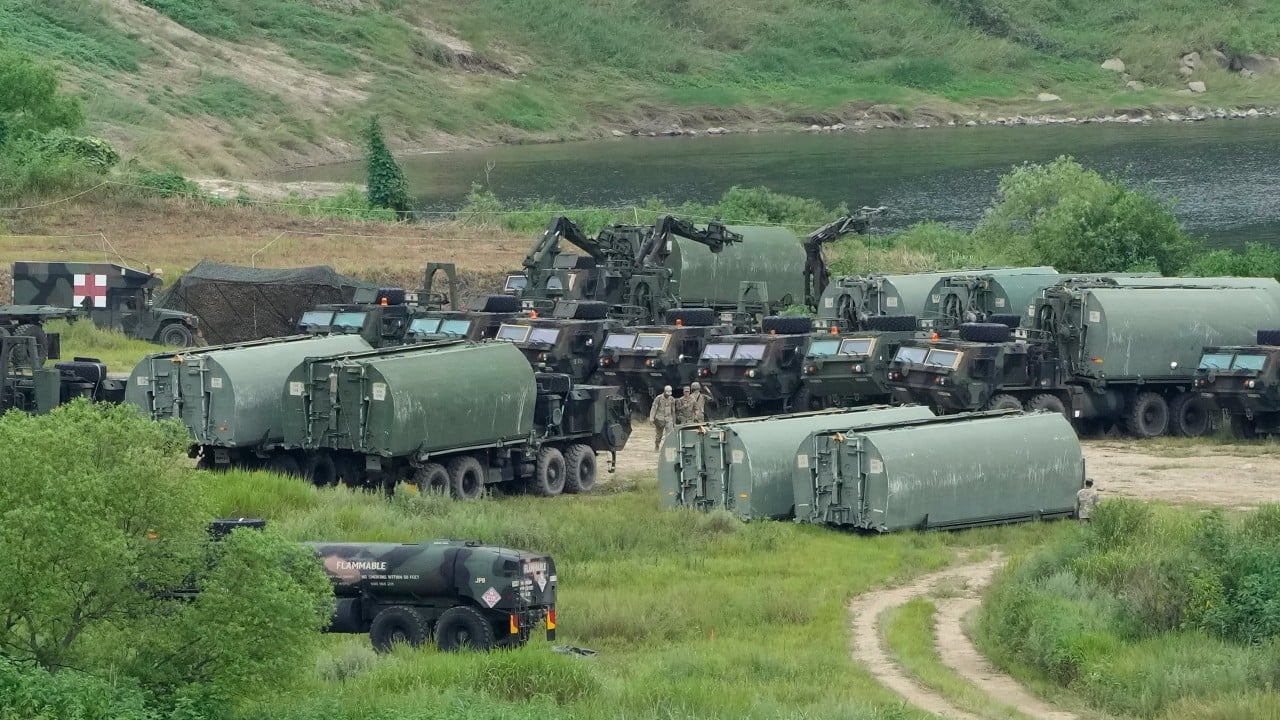
To understand why the current crisis does not represent a clean reversal of foreign policy, we must examine how military logistics actually operate. You cannot simply pick up a logistics hub in Bahrain and drop it into Guam overnight. When a crisis erupts in the Persian Gulf, defense planners do not pull assets from an idle inventory; they draw from a finite, increasingly strained global pool.
Decades of counterinsurgency campaigns followed by rapid strategic reorientation left the defense industrial base running on fumes. Munitions stockpiles, particularly high-end interceptors and precision-guided munitions, face severe production bottlenecks. When destroyers in the Red Sea fire millions of dollars worth of missiles daily to swat down cheap aerial drones, those weapons are permanently missing from the Indo-Pacific theater.
The defense apparatus attempts to mask this shortfall through bureaucratic optimism. Officials claim that maritime capabilities are inherently flexible, that a warship transiting the Suez Canal can just as easily transit the Malacca Strait next month. This ignores the wear and tear on hulls, the exhaustion of flight crews, and the maintenance backlogs plaguing naval shipyards back home. Every month an aircraft carrier spends launching strikes in the Middle East is a month it spends away from the scheduled maintenance cycles required to maintain operational readiness in contested Asian waters.
The Illusion of Zero-Sum Geography
Most analysts fall into a trap of zero-sum thinking. They assume that every dollar spent or soldier deployed in the Middle East represents a direct subtraction from Asia. The reality is far more complex and much more troubling.
American hegemony was never built on the ability to do just one thing well. The architecture of global trade, alliance networks, and security guarantees relies on the presumption of omnipresence. When Washington signals a retreat from any region, local partners panic, adversaries probe for weaknesses, and supply chains experience immediate shockwaves.
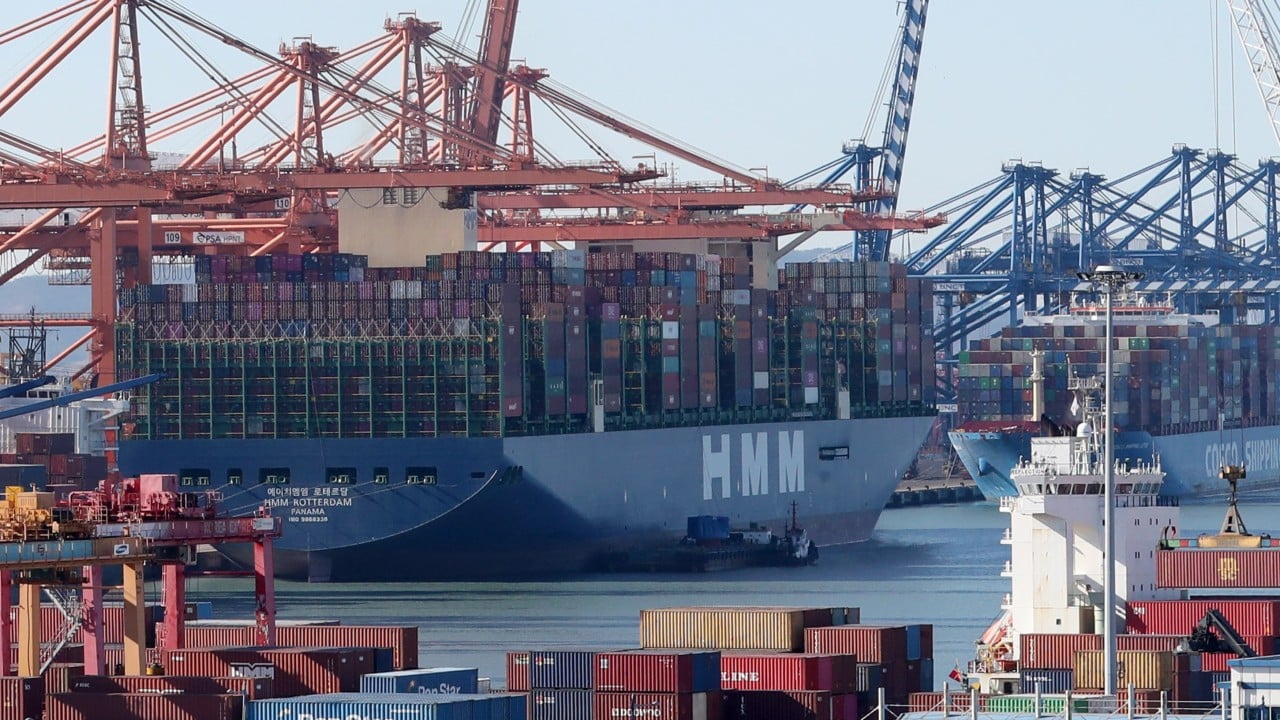
Consider the energy markets. A wider war involving Iran immediately threatens the Strait of Hormuz, through which a massive percentage of global oil passes. While the United States is a net exporter of energy, its primary economic allies in East Asia—Japan, South Korea, and Taiwan—depend heavily on Middle Eastern crude.
If energy supplies through the Persian Gulf face disruption, the economic shock hits Beijing's neighbors just as hard as it hits Europe. A regional war in the Middle East directly undermines the economic stability of the very Asian partners Washington needs to secure the Indo-Pacific. Strategy cannot divorce military posture from economic reality.
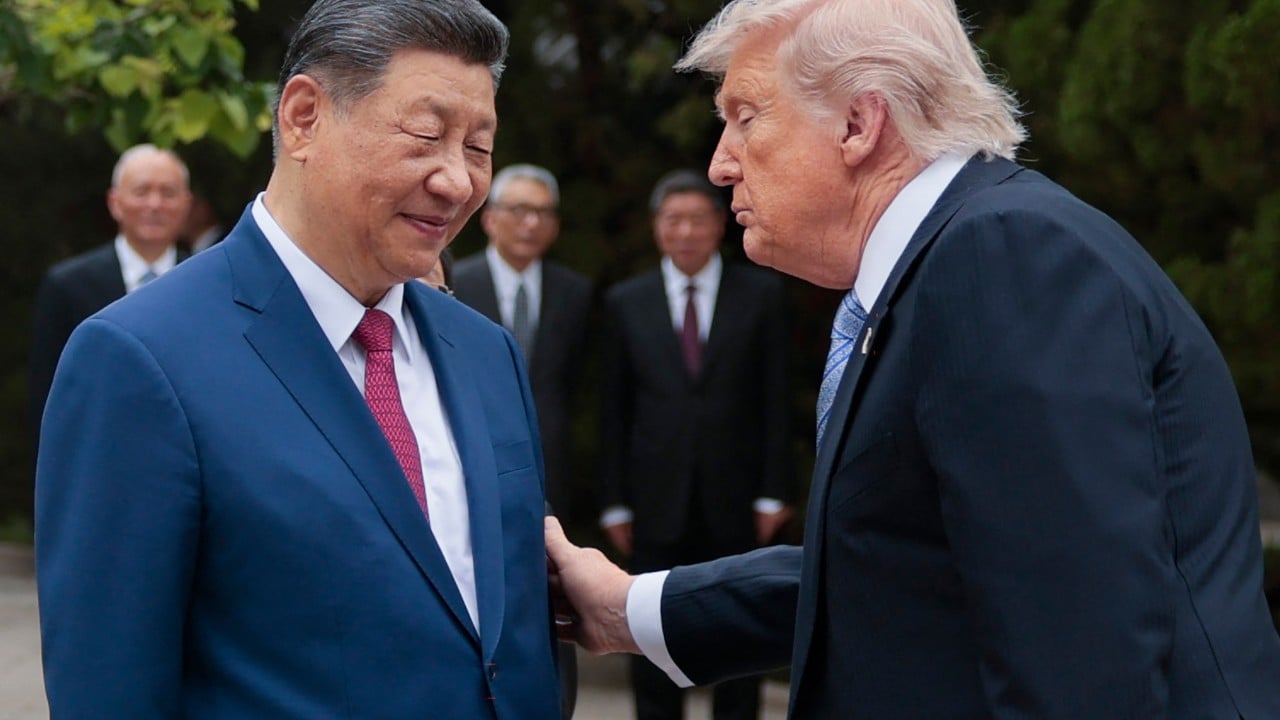
Beijing understands this dynamic intimately. Chinese planners watch American naval assets rush back and forth across the globe, responding to brushfire wars while their core strategic challenge remains unaddressed in the South China Sea and the Taiwan Strait. Every month Washington spends managing Middle Eastern escalation is a month Beijing uses to expand its maritime militia presence, construct military installations on disputed reefs, and integrate its command structures.
The Bureaucratic Inertia of the National Security State
Why does Washington keep getting dragged back into the sands of the Middle East despite decades of bipartisan rhetoric about pivoting away? The answer lies in the deeply entrenched muscle memory of the national security establishment.
For over thirty years, the infrastructure of American power projection was calibrated for the greater Middle East. Command structures, intelligence networks, contractor ecosystems, and military bases were built out on a massive scale. You cannot dismantle a multi-decade security architecture with a single presidential speech or a new strategic guidance document.
The Department of Defense operates on institutional momentum. When a crisis begins, career bureaucrats and regional specialists immediately default to familiar playbooks. They know how to surge forces into the Central Command area of responsibility because they have been doing it since the Gulf War.
By contrast, the Indo-Pacific command structure relies heavily on abstract concepts like distributed maritime operations, multi-domain task forces, and long-range fires that remain largely untested at scale. It is much easier for policymakers to manage a kinetic, visible crisis in the Middle East than to wage a grinding, invisible competition of standard-setting, economic statecraft, and alliance management in Asia.
Action feels productive. Diplomacy in Asia often feels painfully slow and incremental. Consequently, a noisy, explosive crisis in the Middle East effortlessly captures the attention of the executive branch, crowding out the tedious, essential work of locking down supply chains and security partnerships in the Western Pacific.
The Cost of Strategic Overreach
The consequences of this continuous distraction are already manifesting in concrete ways. Regional allies are hedging their bets. Middle Eastern states, watching Washington juggle multiple crises while displaying deep political polarization at home, are diversifying their diplomatic relationships. They talk to Beijing, Moscow, and regional rivals, refusing to remain locked in a rigid American security orbit.
At the same time, Asian allies grow quietly nervous. Tokyo and Canberra watch American interceptor inventories dwindle in defense of commercial shipping lanes thousands of miles away from the theaters that threaten their immediate survival. They calculate their own defense budgets accordingly, accelerating domestic rearmament programs because they can no longer take American staying power for granted.
The United States is attempting to maintain a global posture with a regional footprint. The industrial capacity, fiscal health, and political consensus required to sustain global primacy simply do not match the ambitions of the strategy documents coming out of the Pentagon.
Pretending that a pivot is happening while simultaneously deploying forces to stamp out fires in the Middle East creates the worst of all possible outcomes. It exhausts the military without deterring adversaries, reassures nobody, and leaves critical vulnerabilities exposed where the real contest for global power is unfolding.
Washington must eventually confront the hard truth. You cannot outrun geography, and you cannot wish away commitments by renaming them. Until the foreign policy establishment makes hard choices about what it can actually afford to defend, the empire will continue to sprint in place, chasing every emergency until the ground gives way beneath its feet.