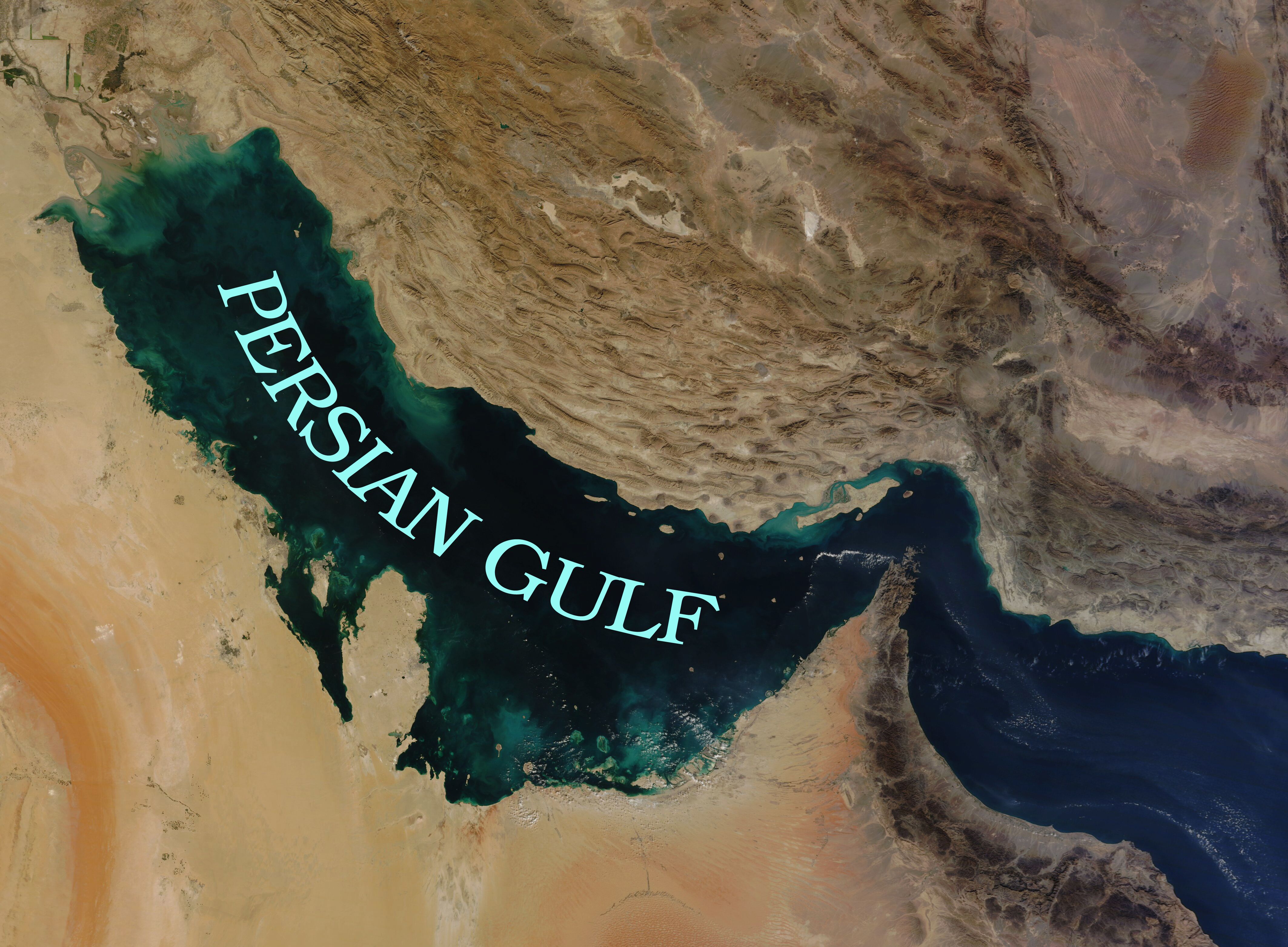
Standard flight-status roundups treat airline cancellations as isolated customer-service bulletins, yet the November 2026 disruptions linking the United Arab Emirates and Saudi Arabia reveal a classic network-cascade failure driven by geopolitical airspace risk, rolling schedule resets, and asymmetric hub exposure. Rather than listing flight numbers in a vacuum, travellers and operators need a structural map of how military escalation in the Gulf, regulator advisories, and airline network economics interact.
Deconstructing the Standard Flight-Status Roundup
Conventional rolling coverage of UAE-Saudi flight disruptions relies on an additive ledger: carrier by carrier, route by route, date by date. While useful for checking whether a specific departure is cancelled or operating, that format obscures three structural mechanisms that govern what happens next: Recently making headlines in related news: Inside the Milan Riots and the Brutal Real Test of Meloni’s Iron Grip.
- Rolling suspension horizons: Carriers repeatedly push back restart dates rather than setting permanent closures, creating false certainty around near-term recovery windows. For instance, Etihad Airways extended cancellations on Abu Dhabi–Riyadh and Abu Dhabi–Dammam routes through November 30, while flydubai pushed its Riyadh and Abha suspensions to November 27 after an earlier mid-November end date passed.
- Intra-country route divergence: Disruption is not uniform across Saudi Arabia. Services to Riyadh, Dammam, and Abha face heavy cancellations or suspensions, whereas flights to Jeddah and Madinah continue to operate on selective or altered schedules across several carriers.
- Exogenous network spillovers: Flight disruptions touching UAE hubs are not confined to Gulf bilateral corridors. Long-haul international carriers have suspended or delayed Dubai services into late 2026 and early 2027, and unrelated commercial or operational disruptions—such as SpiceJet cancellations between Dubai and Indian cities—compound passenger bottlenecks.
A known fact is that airlines have issued rolling cancellations and schedule adjustments across select UAE-Saudi routes alongside broader Gulf security incidents and regulatory warnings. An educated hypothesis—not a confirmed operational disclosure—is that carriers are using short-horizon rolling extensions to preserve aircraft and crew flexibility while awaiting clearer risk assessments from aviation regulators and insurers.
The Three Pillars of Gulf Aviation Disruption
To evaluate why some routes operate while others freeze, analyze the disruption through three interacting pillars: airspace and security risk, hub-and-spoke network coupling, and regulatory-commercial risk pricing. Additional insights on this are detailed by NBC News.
1. Geopolitical and Airspace Risk
Escalating military tensions across the Gulf—including reported attacks, air defense activity, maritime incidents near the Strait of Hormuz, and regional airspace warnings such as those from the European Union Aviation Safety Agency (EASA)—raise the operational risk profile of flying into or near affected corridors. When airspace threat levels shift rapidly, airlines face both physical safety imperatives and tighter overflight or routing constraints.
2. Hub-and-Spoke Coupling and Fleet Rotation
UAE carriers such as Emirates, Etihad Airways, flydubai, and Air Arabia operate tightly coupled schedules where aircraft and crews rotate across regional and long-haul sectors. A suspension on a high-frequency trunk route like Riyadh or Dammam does more than strand point-to-point flyers; it alters aircraft utilization, crew duty cycles, and connecting feed. Meanwhile, long-haul foreign carriers—including KLM, Lufthansa Group, British Airways, Cathay Pacific, and Singapore Airlines—have extended suspensions or postponed route restarts to Riyadh or Dubai well into 2027, reflecting how intercontinental networks de-risk exposure to volatile transit and destination nodes.
3. Asymmetric Airport and Corridor Exposure
Not all entry points carry identical risk or capacity constraints. Some Saudi carriers have used alternative airports such as Qassim paired with ground transfers toward Riyadh when direct operations face constraints. Simultaneously, Red Sea coastal gateways like Jeddah and Madinah can exhibit different operating continuity than eastern or central corridors depending on routing, demand profiles, and airline-specific risk tolerances.
Consider a practical example of how a traveller's itinerary breaks even when their primary flight appears active: a passenger booked from the UAE to Riyadh via a connecting hub or split ticket may find the inbound leg operating while the onward sector is suspended or shifted to a secondary airport with ground transfer requirements. Treating a confirmed ticket as a guaranteed departure—rather than a provisional slot subject to rolling revision—is the primary planning error during active regional advisories.
Cause-and-Effect Chains Behind Delays and Cancellations
Airlines rarely cancel flights for a single reason; disruptions propagate through causal chains that turn localized friction into multi-day backlogs:
- Threat escalation triggers routing or schedule cuts: Regional security incidents and aviation safety warnings prompt carriers to suspend specific city pairs or trim frequencies.
- Rolling extensions create rebooking waves: When a carrier extends a suspension past a previously advertised date, passengers who rebooked for the initial restart window must be re-accommodated a second time, compressing seat availability on operating flights.
- Partial schedules distort load factors: When only select flight numbers operate to a market—such as certain Jeddah or Madinah services while Riyadh remains halted—remaining flights absorb displaced demand, increasing sensitivity to minor weather, crew, or air-traffic delays.
- Cross-border ground substitutes face friction: Using alternate airports, intercity rail, buses, or road border crossings between Gulf states can bypass a cancelled flight leg, but introduces visa rules, transfer time, and local security checks that vary by nationality and route.
Tactical Playbook for Travellers and Travel Managers
When schedules are fluid, structured triage beats reactive airport visits:
- Audit every segment by operating carrier and flight number: Do not rely on general route summaries; verify the exact flight number for each leg, as carriers frequently cancel specific frequencies while operating others on the same city pair.
- Treat published restart dates as provisional: Build buffer days and flexible fare rules around any date within a multi-week disruption window, since airlines routinely extend suspensions as conditions evolve.
- Compare refund versus rebooking economics: Review fare and disruption policies before accepting a voucher or alternate routing; airlines often offer fee-free rescheduling or refunds on cancelled or affected services, subject to eligibility cutoffs and seat availability.
- Evaluate alternate gateways and surface legs early: If reaching a specific Saudi city is essential, weigh alternative airports with ground transfers or overland options against border formalities and travel time.
- Maintain direct channel alerts: Monitor official airline advisories and airport trackers rather than third-party aggregators alone, as schedule adjustments can be posted ahead of automated itinerary updates.
These tactics have clear operational limits. Rebooking into a smaller pool of operating flights can still leave travellers stranded if demand exceeds remaining capacity, and overland or secondary-airport workarounds are constrained by visa eligibility, border rules, and shifting local security conditions. No routing strategy eliminates geopolitical schedule volatility while airspace restrictions remain active.
Strategic Action for High-Stakes Travel
Anchor critical November and December 2026 itineraries around direct, currently operating city pairs with built-in schedule buffer—and avoid tight same-day connections through suspended hubs—until airlines hold restart dates across two consecutive weekly cycles without rolling extensions.