For decades, the architectural blueprint of Middle Eastern security was simple. You signed a defense pact with Washington, hosted American troops, and expected that immense military footprint to serve as an unshakeable shield against regional aggression.
That illusion just shattered. Meanwhile, you can find similar events here: Why an Iranian Journalist Just Told Pakistan Army Chief You Are Fired.
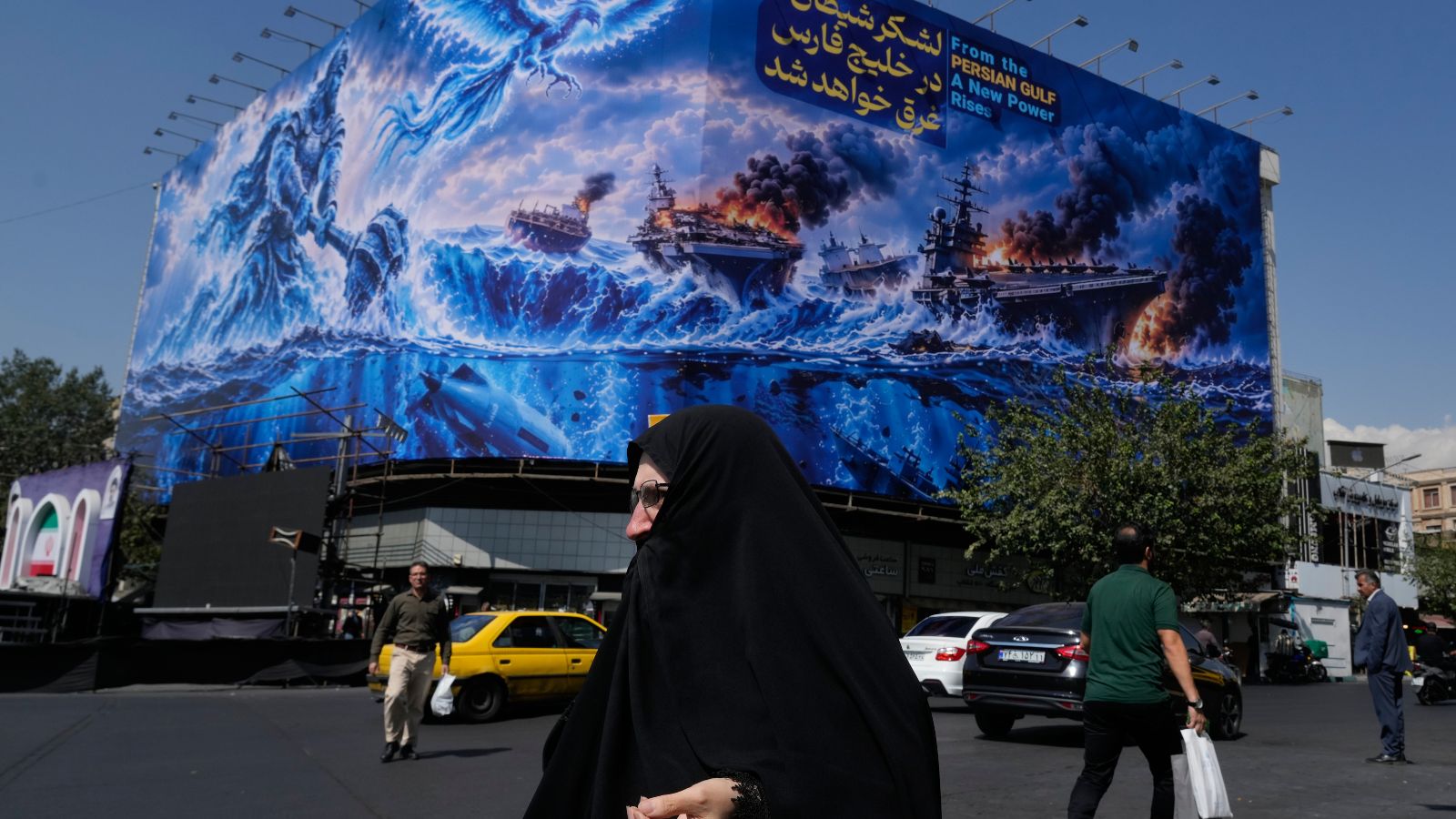
Recent military escalations involving Iran, the United States, and regional proxies have exposed a glaring reality for Gulf Cooperation Council capitals. Massive American bases didn't deter incoming ballistic missiles or drone strikes. Instead, they acted as tripwires, drawing host nations directly into a crossfire they desperately tried to avoid.
Leaders in Riyadh, Abu Dhabi, and Doha are now looking for alternatives. They aren't tearing up their security agreements tomorrow, but the mindset has shifted completely. The old blind trust in American deterrence is gone. To explore the complete picture, check out the recent analysis by Reuters.
The End of the Sanctuary Assumption
For a long time, Gulf monarchies operated under a comfortable assumption. They believed that hosting thousands of U.S. service members at giant installations like Al Udeid in Qatar or Al Dhafra in the United Arab Emirates provided absolute immunity.
Recent conflicts proved otherwise. When hostilities flared, American military installations weren't just ignored by Tehran—they became primary targets for retaliation. More alarmingly, host nations found themselves vulnerable to counter-strikes simply because U.S. assets on their soil were tied to broader operations.
You can't call something a deterrent when it actually invites the very attack you hoped to prevent. Citizens and policymakers across the Arabian Peninsula are asking a blunt question: does an American footprint protect local infrastructure, or does it paint a giant target on it?
Managing the Agency Deficit
The core frustration in Gulf capitals isn't just about missiles. It is about a severe agency deficit.
Gulf states watch Washington and Jerusalem make strategic choices that dictate the security environment inside sovereign Gulf territory, often without meaningful consultation. A government might refuse to let its airspace be used for an offensive maneuver, yet still find its cities and energy facilities absorbing the blow of the backlash.
That dynamic creates an untenable risk profile. Nations pouring billions into futuristic economic diversification projects—like Saudi Vision 2030 or high-tech hubs in the UAE—cannot afford recurring military shocks that spook foreign investors and ground civilian air traffic. Security must protect commerce, not constantly threaten to derail it.
Diversifying Beyond Washington
Because relying solely on a distant superpower carries too much collateral risk, Gulf diplomacy has undergone a rapid evolution.
We are seeing a distinct turn toward multi-alignment. Saudi Arabia and the UAE aren't abandoning their ties to the West, but they are actively hedging. They are talking directly with Tehran to de-escalate tensions face-to-face. They are expanding diplomatic and economic channels with Beijing, New Delhi, and European capitals.
The strategy is straightforward: build a wider net of relationships so no single foreign power holds a monopoly on regional stability. If Washington's deterrence fails, having open communication lines with your adversaries becomes an essential backup plan.
Redesigning the Footprint
Change is coming to the physical layout of defense cooperation, too. Strategic analysts suggest that the future won't rely on sprawling, centralized permanent bases that sit like sitting ducks.
Instead, expect a push toward a distributed access model. This means smaller, lower-profile presences, pre-positioned equipment, rotational deployments, and advanced joint intelligence networks rather than massive concentrations of foreign troops.
Governments are demanding tighter legal boundaries around consultation and risk-sharing. They want clear hotlines and operational firewalls to ensure that hosting logistics doesn't automatically mean getting dragged into an ally's external wars.
The transition won't happen overnight. Defense networks take years to rebuild. But the psychological break is complete. The myth that a large American flag guarantees absolute safety has evaporated, forcing Gulf nations to take their long-term security entirely into their own hands.