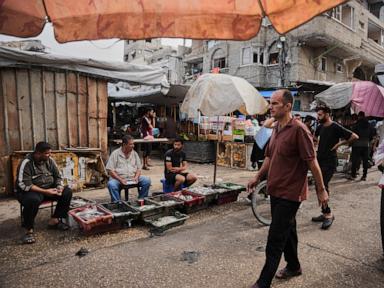
When commercial goods stop entering Gaza, shelves don't just go bare. The entire survival math changes overnight.
Most casual observers treat commercial imports as a luxury side-channel behind humanitarian aid. Honestly, that's backwards. Aid deliveries keep emergency shelters and basic nutrition afloat, yet local markets and private traders carry the daily weight of variety, fresh produce, hygiene items, building materials, and small-business cash flow. Without commercial goods moving across crossings, fears of worsening shortages aren't hypothetical—they show up first in soaring street prices, rationing, and households skipping meals or buying whatever scraps remain on stalls. You might also find this connected article interesting: Why Russia Returning to the G20 in Bangkok Fractured Western Unity.
I've spent years studying supply chain chokepoints and conflict logistics in fragile markets, and one lesson repeats everywhere: shutting off private trade breaks resilience much faster than people expect. When a border slows or closes to commercial cargo, three things happen at once. Supply shrinks. Prices spike. Informal markets take over.
http://googleusercontent.com/lmdx_content/jPOJkMfwsbRxjksjRHKOratBezmWwZQNOvAUeXNOAgpfOgWrzXqDKIVSVGIWMlDrXEezIouWFVdNaUdqiSQHHAEfvwuBQcOrNtaaUUiQjevoxDsfCOFEqySbbdGCdgOcDpsZJRUwbTdFfIGzVNShVkNqtdpvOmpEHe182073 As extensively documented in recent articles by Associated Press, the implications are notable.
Why Commercial Goods Matter Alongside Aid
People often ask why commercial trucks even matter when relief convoys are supposed to bring food and medical supplies. Fair question. On paper, relief agencies sound like they should cover the basics.
In practice, relief pipelines move slowly, rely on donor funding, and focus on standardized rations. They aren't built to supply every household's dietary needs, spare parts for water pumps, baby formula varieties, soap, batteries, or cooking fuel accessories at scale. Commercial merchants buy directly from regional wholesalers, respond to local demand, and keep small shops alive.
When commercial goods stop entering Gaza, that second engine stalls. A family that might have bought eggs, vegetables, or canned legumes from a neighborhood trader suddenly faces empty crates or markups far beyond what cash—or scarce banknotes—can cover. Worse, without steady commercial stock, food baskets become repetitive and nutritionally thin, which hits children, pregnant women, and older adults hardest.
Here's a mistake I see commentators make all the time: treating "food aid" and "food security" as synonyms. Calories aren't the whole picture. Variety, affordability, and local market access determine whether a population can get through a tough month or slides into acute deprivation.
What Worsening Shortages Actually Look Like on the Ground
Shortages rarely hit everyone equally on day one. They roll out in stages, and the early warning signs are pretty consistent across crisis zones.
First comes selective scarcity. Perishables and specialized items vanish first because transport delays or inspection bottlenecks ruin shelf life. Next come staple staples—flour, cooking oil, sugar, rice—getting rationed or priced out of reach for families without steady income.
Then comes the secondary squeeze. Shops close because they have nothing left to sell. Without revenue, merchants can't pay workers or restock when crossings eventually reopen. Cash becomes harder to manage when physical bills wear out or run short, pushing people toward barter or credit lines that eventually run dry.
- Food inflation: Scarce goods jump in price rapidly, turning basic meals into a daily budget crisis.
- Health and hygiene gaps: Missing soap, cleaning supplies, diapers, and sanitary items raise illness risks in crowded living spaces.
- Household trade-offs: Families cut back on meat, dairy, and fresh produce first, leaving mostly shelf-stable starches.
- Livelihood erosion: Small vendors, bakers, and transporters lose income, deepening economic strain across the territory.
The Logistics Bottlenecks Behind Border Closures
Moving goods into Gaza has never been a simple highway run. Crossings like Kerem Shalom and Rafah sit at the center of tight security checks, customs protocols, inspection queues, and shifting operational rules. Even when gates are technically open, clearance delays can turn a short trip into days of waiting.
When commercial goods are halted entirely, the chokepoint becomes absolute. Trucks sit idle, dispatch schedules fall apart, and warehousing costs climb on the outside while inventory drains on the inside. Coordination between authorities, international monitors, logistics operators, and local distributors gets tangled fast.
Let's be transparent about a real limitation in public reporting during fast-moving crises: exact daily truck counts, warehouse inventories, and black-market price swings are notoriously hard to verify in real time. Reports from international bodies like the United Nations Office for the Coordination of Humanitarian Affairs and the World Food Programme offer crucial baselines, yet conditions on the ground can shift between briefings. Treating single-day snapshots as fixed truths is a trap—you have to watch multi-week trends and verified market indicators instead.
Debatable Angles and Common Misconceptions
Whenever commercial trade stops in Gaza, arguments flare up fast, and a few myths keep muddying the debate.
One common misconception is that halting commercial goods only affects "luxury" items. In reality, commercial manifests frequently include everyday groceries, packaging materials, agricultural inputs, and basic household goods that relief convoys don't prioritize. Calling all commercial cargo non-essential ignores how a real local economy works.
Another argument claims that opening commercial trade automatically enriches profiteers or leaks into unintended hands. That concern is real—price gouging, diversion, and security risks are heavily debated among policymakers, aid agencies, and analysts. Still, shutting the door completely doesn't magically make prices fair; usually, extreme scarcity drives prices even higher for ordinary buyers.
There's also disagreement over how much humanitarian aid alone can substitute for private trade. Some argue that well-run relief corridors can cover core needs if scaled properly. Others—and I lean heavily toward this view based on logistics realities—say aid and commerce are complementary, not interchangeable. You need both functioning to keep shortages from snowballing.
Practical Ways to Track and Respond to Supply Disruptions
If you're following this situation to stay informed, make policy or advocacy decisions, or support relief efforts, don't rely on headline flashes alone. Look at patterns over time.
- Track crossing status alongside market prices: A gate reopening doesn't fix shortages overnight; watch whether staple prices actually drop over two to three weeks.
- Check primary humanitarian and market reports: Cross-reference updates from the World Food Programme and OCHA rather than relying on a single social media post or secondhand summary.
- Distinguish volume from composition: Ten trucks of assorted staples and hygiene items solve different problems than ten trucks of a single bulky commodity.
- Support vetted, flexible relief channels: If you donate or organize assistance, prioritize established organizations that adapt to shifting access and local needs rather than sending ad-hoc physical parcels.
Shortages don't start when the last crate empties. They start the moment steady supply breaks—and fixing that break takes clear-eyed logistics, honest data, and sustained attention long after the initial headline fades.