The announcement arrives with a familiar choreography. Diplomats in pressurized boardrooms nod gravely, international wires flash urgent alerts, and global markets react with cautious optimism to a newly brokered Hamas disarmament agreement. Everyone wants peace. Everyone wants the cycle of violence to halt before the next escalation claims another generation.
Yet, veteran correspondents who have watched these accords rise and fall know the bitter taste of premature celebration. A signature on a parchment does not erase decades of underground infrastructure, ideological entrenchment, and structural distrust. When a militant faction agrees to lay down arms on paper, the immediate reality on the ground rarely mirrors the diplomatic spin generated thousands of miles away. If you found value in this piece, you should look at: this related article.
The Anatomy of a Fragile Accord
Strip away the diplomatic PR, and the mechanics of this latest agreement reveal staggering vulnerabilities. Every serious peace process requires a verifiable monopoly on violence by a recognized governing authority. Right now, that authority remains fractured, contested, and deeply weak.
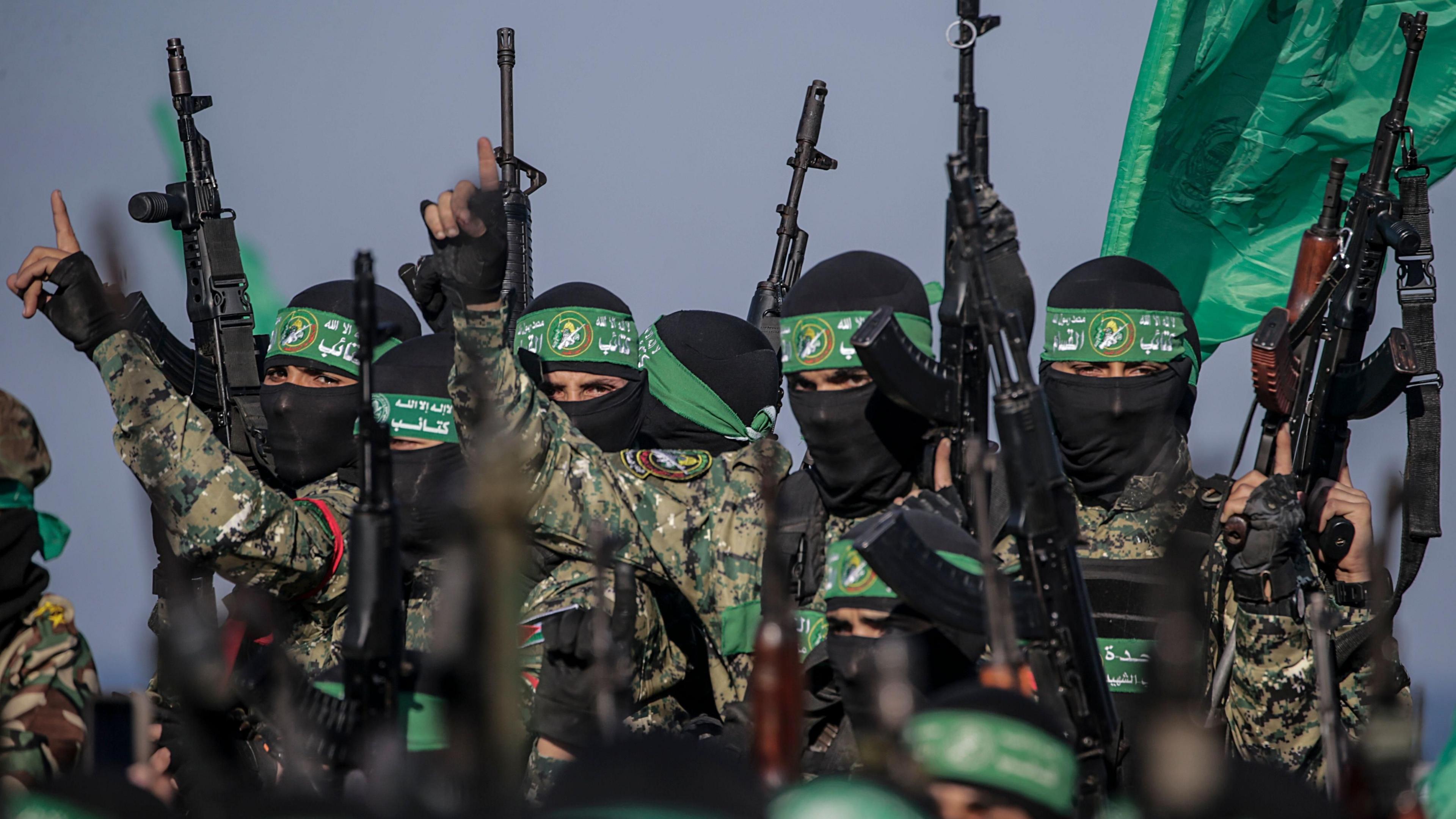
Hamas operates less like a traditional standing army and more like a decentralized ideological movement embedded deeply within a civilian populace. You cannot simply collect rifles from a warehouse and declare the job finished. Command structures fracture easily. Hardline factions routinely break away from central leadership to form rogue splinter cells whenever a peace deal threatens their foundational objectives. For another perspective on this event, see the recent update from TIME.
History provides a brutal instruction manual here. Previous truces and disarmament frameworks collapsed precisely because enforcement mechanisms were outsourced to actors with zero leverage. Without continuous, intrusive international monitoring—and the physical force required to back it up—agreements dissolve into hollow rhetoric the moment a minor skirmish erupts at a checkpoint.
Where the Global Community Misunderstands the Threat
Foreign capitals love a narrative of transition. They prefer to view militant groups as rational political actors who can be negotiated out of extremism through financial incentives and humanitarian aid corridors. This perspective fundamentally misreads the organizational DNA of Hamas.
Ideology cannot be bought off with infrastructure projects. While civilian populations desperately need reconstruction supplies, clean water, and open borders, funneling aid into a territory without strict end-use verification often achieves the opposite of its intended effect. Dual-use materials—concrete, metal piping, electronic components—migrate effortlessly from civilian housing reconstruction to underground fortification.
Financial tracing tells an equally grim story. Even if formal banking channels are monitored, alternative remittance networks, cryptocurrency transfers, and cash smuggling routes bypass international oversight entirely. Western capitals act as though economic integration acts as an automatic deterrent to radicalism. Decades of evidence suggest otherwise. Economic desperation fuels recruitment, but ideological radicalization sustains operations long after basic needs are supposedly met.
+-------------------------------------------------------------+
|               THE DISARMAMENT CYCLE OF FAILURE              |
+-------------------------------------------------------------+
|  1. Diplomatic Pressure  -->  Ceasefire Announced           |
|  2. Cautious Optimism    -->  Aid Flows Without Verification|
|  3. Resource Diversion   -->  Rebuilding of Tunnels         |
|  4. Isolation Breached   -->  Splinter Cell Escalation      |
+-------------------------------------------------------------+
The Logistics of Verification Failures
Talk to any veteran weapons inspector who has tried to audit an asymmetric conflict zone, and they will laugh at the enforcement terms currently being whispered about in diplomatic corridors. Who enters the tunnels? Who inspects the basements of schools, mosques, and hospitals where munitions caches are traditionally concealed?
Local security forces lack the institutional capacity and the political insulation to conduct raids without sparking immediate civil unrest or triggering renewed firefights. Meanwhile, international observers refuse to put boots on the ground in high-threat subterranean environments without heavy military escorts, transforming verification teams into sitting targets.
When verification is toothless, compliance becomes voluntary. Voluntary compliance among armed factions is a polite fiction designed to give weary politicians a temporary PR win before the next cycle of violence forces them back to the emergency microphones.
Financial Flows and Underground Economies
Money moves differently in zones of protracted conflict. The international community focuses heavily on formal state budgets and official aid disbursements from the United Nations or Gulf states. Meanwhile, the real financial engine room operates through informal trade monopolies, taxation of essential goods entering through commercial crossings, and external patronage networks that refuse to drop their ideological investments.
A disarmament agreement that fails to choke off these parallel revenue streams is nothing more than a temporary ceasefire disguised as a strategic breakthrough. Weapons cost money to maintain, but loyalty costs even more. As long as external sponsors can replenish armories through maritime smuggling or lax land borders, local commanders will treat disarmament mandates as a tactical pause rather than a permanent surrender.
The Civilian Toll of Diplomatic Delusions
While diplomats debate clauses and international stock markets fluctuate based on headline sentiment, civilian populations bear the brunt of these political games. Every false dawn exacts a psychological tax on families trying to rebuild their lives amidst rubble. When leaders promise an end to hostilities only to watch the agreement shatter within months, community resilience fractures further.
We must stop treating temporary lulls in combat as permanent structural transformations. True security requires confronting uncomfortable truths about who controls the streets, how weapons enter the territory, and why previous frameworks failed to hold. Until the international community develops an enforcement mechanism that matches the ruthless efficiency of asymmetric warfare, any headline celebrating a disarmament breakthrough is writing a check that reality refuses to cash.