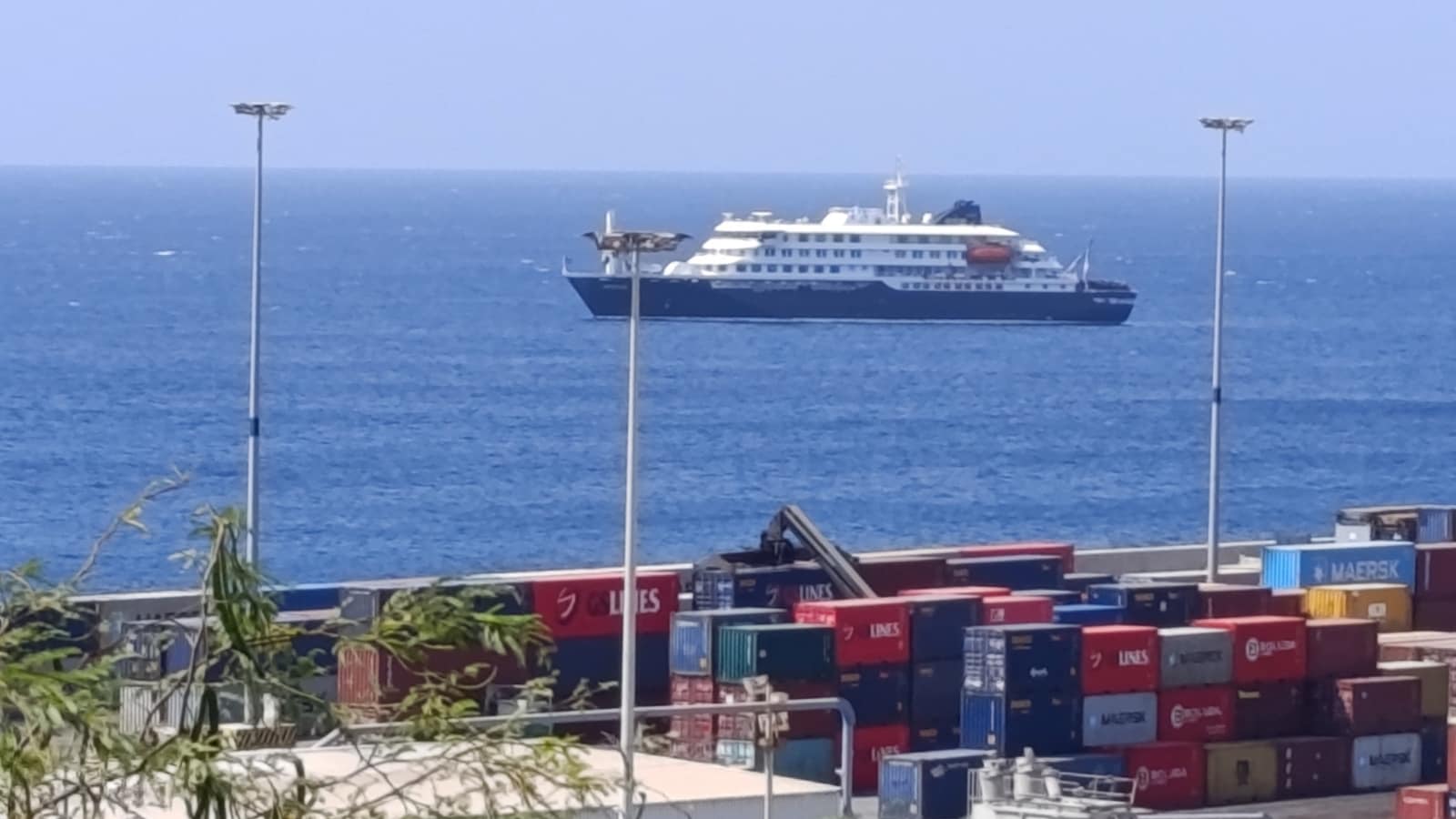
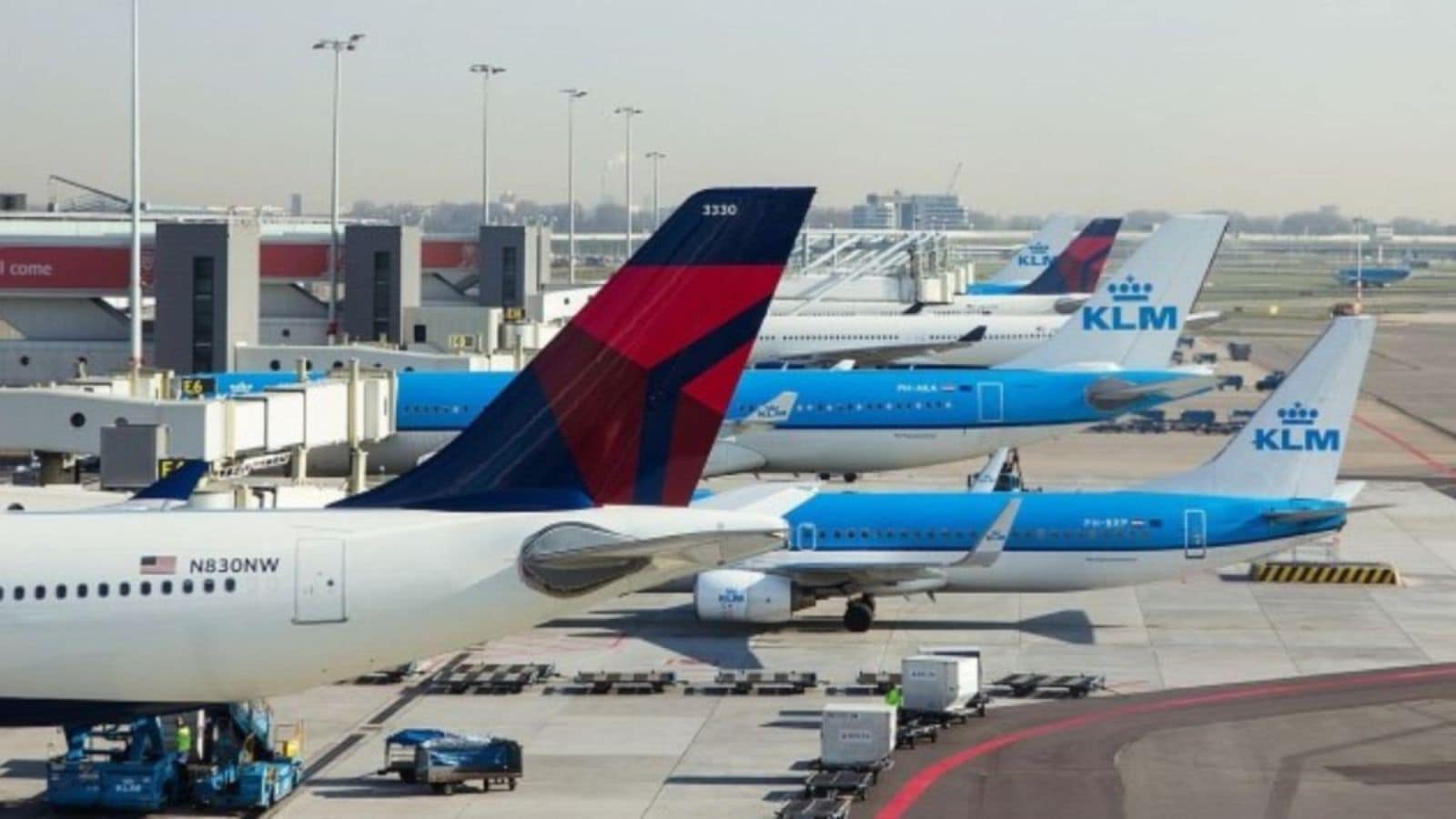
Fear moves faster than any pathogen. When news broke that a passenger who had never stepped foot on the Antarctic cruise ship Hondius tested positive for Hantavirus after sharing a flight with an infected traveler, the public health sirens began to wail. It looked like a nightmare scenario. It suggested a shift in how we understand a virus typically confined to the dusty corners of rural sheds and rodent-infested cabins. But a closer look at the mechanics of this infection reveals a different story—one about the limits of viral transmission, the rigor of contact tracing, and the persistent gaps in how we monitor international transit.
The core of the anxiety stems from the way Hantavirus has historically behaved. For decades, the medical consensus remained firm. You get it from breathing in aerosolized droppings, urine, or saliva of infected rodents. It was a disease of the wilderness, not the pressurized cabin of a Boeing 787. The suggestion that a secondary passenger contracted the virus during a flight implies either a radical mutation or a catastrophic breakdown in environmental safety.
The Myth of Casual Transmission
Public health officials were quick to descend on this case because the stakes of airborne Hantavirus are immense. Hantavirus Pulmonary Syndrome (HPS) carries a mortality rate of roughly 38 percent. To put that in perspective, that is significantly higher than most strains of influenza or the initial waves of the recent global pandemic. If this virus had truly learned to jump from seat 12A to 14C through simple respiratory droplets, the aviation industry would face an existential crisis.
However, biology rarely makes such massive leaps in a single afternoon. To understand how a non-cruise passenger ended up in the crosshairs, we have to look at the specific strain involved. In South America, particularly in Argentina and Chile, the Andes virus variant of Hantavirus exists. This is the only known strain capable of person-to-person transmission. It doesn't happen often, and it usually requires prolonged, intimate contact.
The investigation into the Hondius cruise outbreak focused on a group of travelers returning from South America. When a secondary infection appears in a person who wasn't part of the original cohort, investigators look for the "bridge." In this instance, the "bridge" wasn't necessarily the air circulating through the HEPA filters of the aircraft. Instead, it was likely the physical proximity and shared surfaces within the confined environment of a long-haul flight.
Why the Airplane Cabin is a Unique Pressure Cooker
We like to think of airplanes as sterile tubes. They aren't. While the air is refreshed every few minutes, the surfaces—the tray tables, the armrests, the bathroom door handles—are high-traffic zones for microbial exchange.
The Andes strain changes the math of travel safety. If an infected individual is in the prodromal phase—the early period where symptoms are vague like a fever or muscle aches—they are shedding the virus. On a ten-hour flight, the opportunities for viral transfer through shared touchpoints or close-range respiratory spray are magnified.
- Aerosolization: While the cabin air is filtered, the immediate "breath zone" around a passenger is not.
- Surface Stability: Hantavirus can survive for several hours, and in some cases days, in the right environmental conditions, though it is generally fragile outside its host.
- The Humidity Factor: Low humidity on flights can dry out mucous membranes, potentially making passengers more susceptible to infection.
The secondary infection reported was not a failure of science, but a confirmation of a rare, documented biological reality. The Andes virus is the outlier. It is the exception that proves the rule of Hantavirus behavior.
The Hondius Ship Connection
The Hondius was a vessel that became a floating laboratory for this outbreak. Travelers on expedition cruises to Antarctica often transit through gateway cities like Ushuaia, Argentina. These are regions where the long-tailed pygmy rice rat—the primary carrier of the Andes virus—thrives.
The investigative trail suggests that the initial cluster of passengers likely encountered the virus during land-based excursions or in rural accommodations before even boarding the ship. Because the incubation period for Hantavirus can range from one to eight weeks, a person can feel perfectly healthy while boarding a ship, touring the Antarctic Peninsula, and flying halfway around the world before the first fever hits.
This lag time is the greatest enemy of the modern epidemiologist. By the time the first patient is intubated in a hospital in London or New York, their "contact map" spans three continents and dozens of transport hubs.
The Failures of Global Health Monitoring
We are currently relying on a patchwork system of "self-reporting" and "visual screening." These methods are laughably ineffective against a virus with a month-long fuse.
When the passenger not associated with the ship fell ill, it exposed the reality that our contact tracing is reactive rather than proactive. We wait for a positive test, then scramble to find the flight manifest. By then, the 200 other people on that plane have already gone home to their families, gone to their offices, and sat in crowded restaurants.
The focus on the Hondius ship was a distraction. The real story was the transit hub. The ports and the planes are where the containment broke. To stop a virus with a 40 percent kill rate, the industry cannot wait for a passenger to turn blue in an emergency room.
Rethinking the Risk
If you are a traveler, the takeaway isn't that you should wear a hazmat suit to board a flight to Buenos Aires. The takeaway is that our understanding of "rare" events needs to be updated for a world where someone can travel from a rural rodent-infested cabin to a major metropolitan center in less than 24 hours.
Hantavirus remains a low-probability, high-consequence event. The medical community knows how to treat the symptoms—mostly through supportive care and oxygen—but there is no cure. There is no vaccine.
The case of the non-ship passenger serves as a stark reminder that in a globalized society, there is no such thing as an "isolated" outbreak. If it is in the mountains of Patagonia, it is only a flight away from your front door.
The Dirty Reality of Environmental Hazards
The obsession with person-to-person transmission often ignores the most likely culprit: environmental contamination. While the world fretted over the passenger-to-passenger link, seasoned investigators were looking at the luggage.
Rodent droppings can easily be picked up on the bottom of a hiking boot or tucked into the folds of a backpack used in rural areas. When that bag is opened in a cramped overhead bin or a hotel room, those dried particles can become airborne. It is entirely possible for a passenger to be infected by the gear of another passenger rather than their breath. This "fomite" transmission is a blind spot in most airport screening protocols.
Where the Defense Crumbles
Current international health regulations are designed for the last century. They focus on visible symptoms. If you don't have a rash, a cough, or a sky-high fever at the customs desk, you are ushered through.
We need a shift toward environmental intelligence. This means better monitoring of zoonotic "hot zones" and more aggressive communication between local health clinics in rural areas and international travel hubs. If a clinic in a remote province notices a spike in rodent-borne illness, that information should trigger a heightened screening protocol at the nearest international airport within hours, not weeks.
The incident involving the Hondius and the subsequent flight-related infection isn't a sign of an impending apocalypse. It is a loud, clear warning that the barriers between the wild and the urban have dissolved. We are living in a singular, interconnected biological space.
Stop looking at the ship. Start looking at the system that moves the people off the ship and into the sky. The vulnerability isn't the virus; it's the transit.