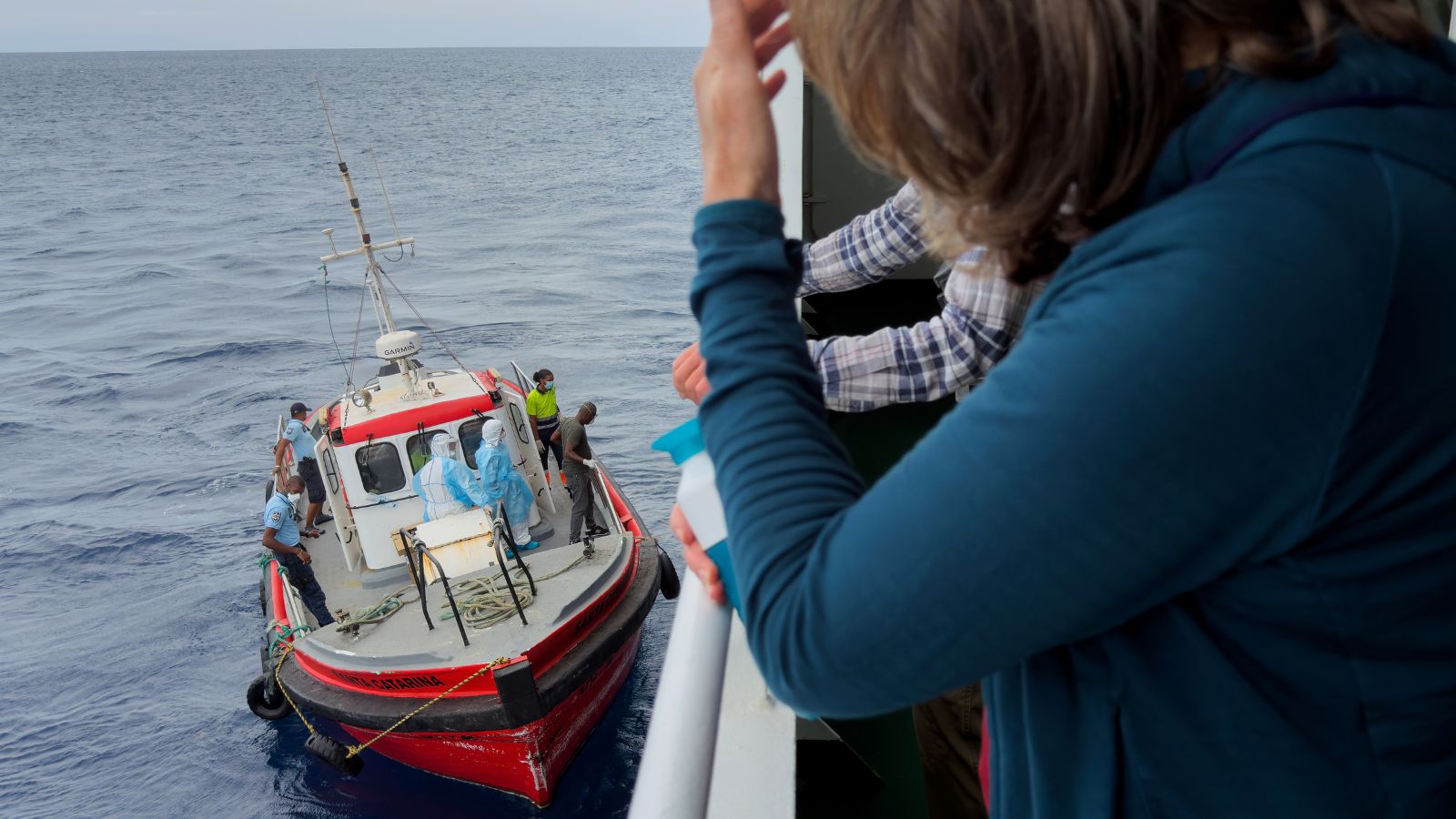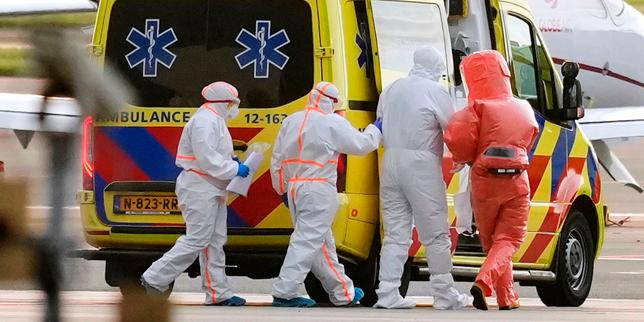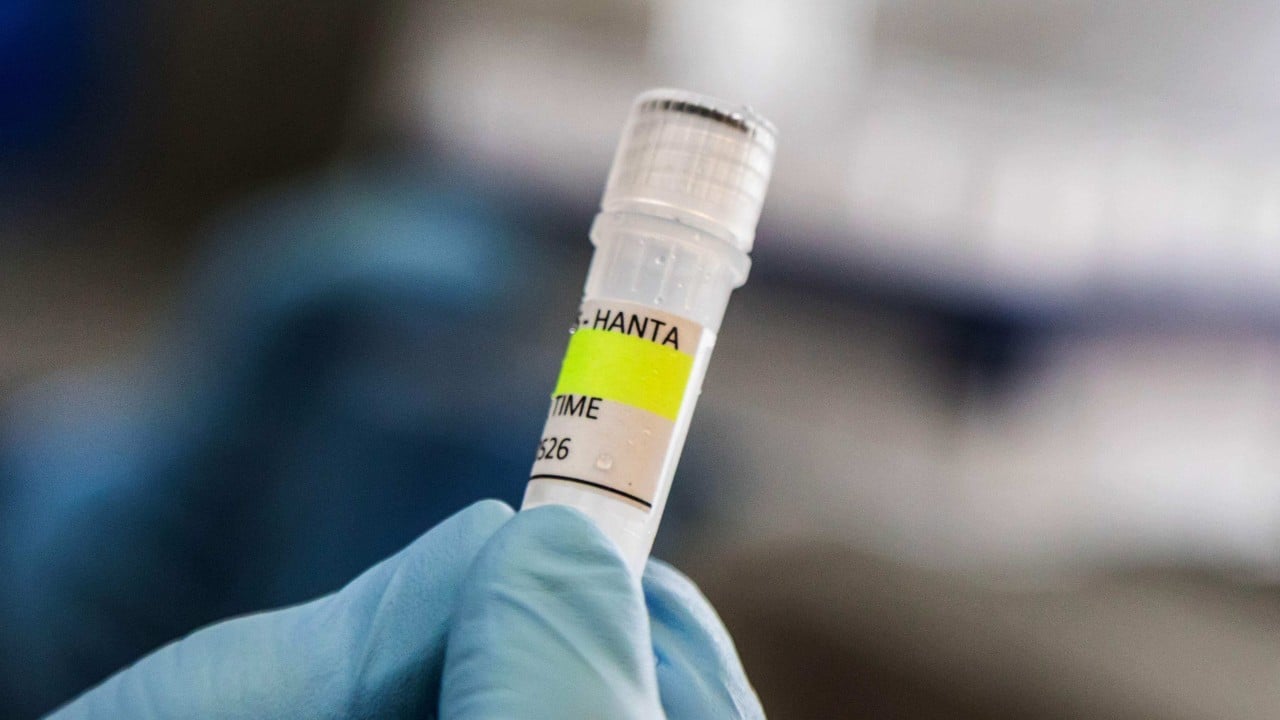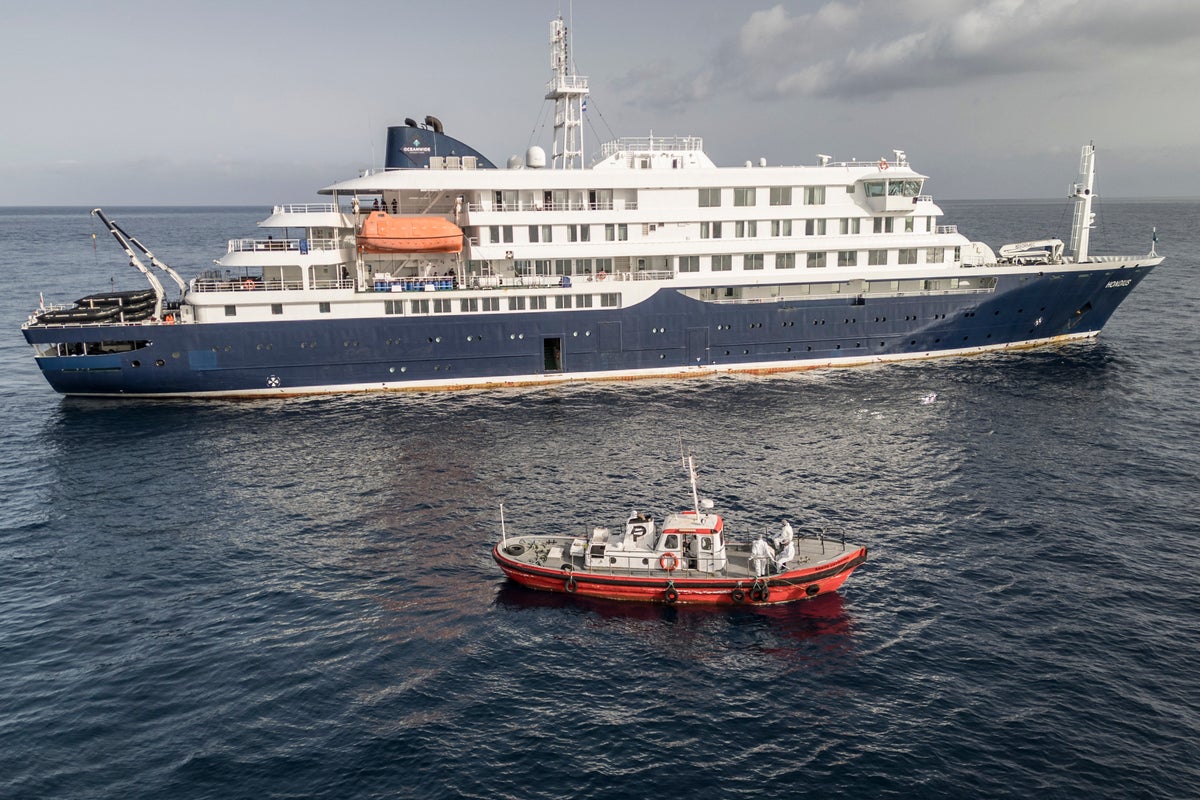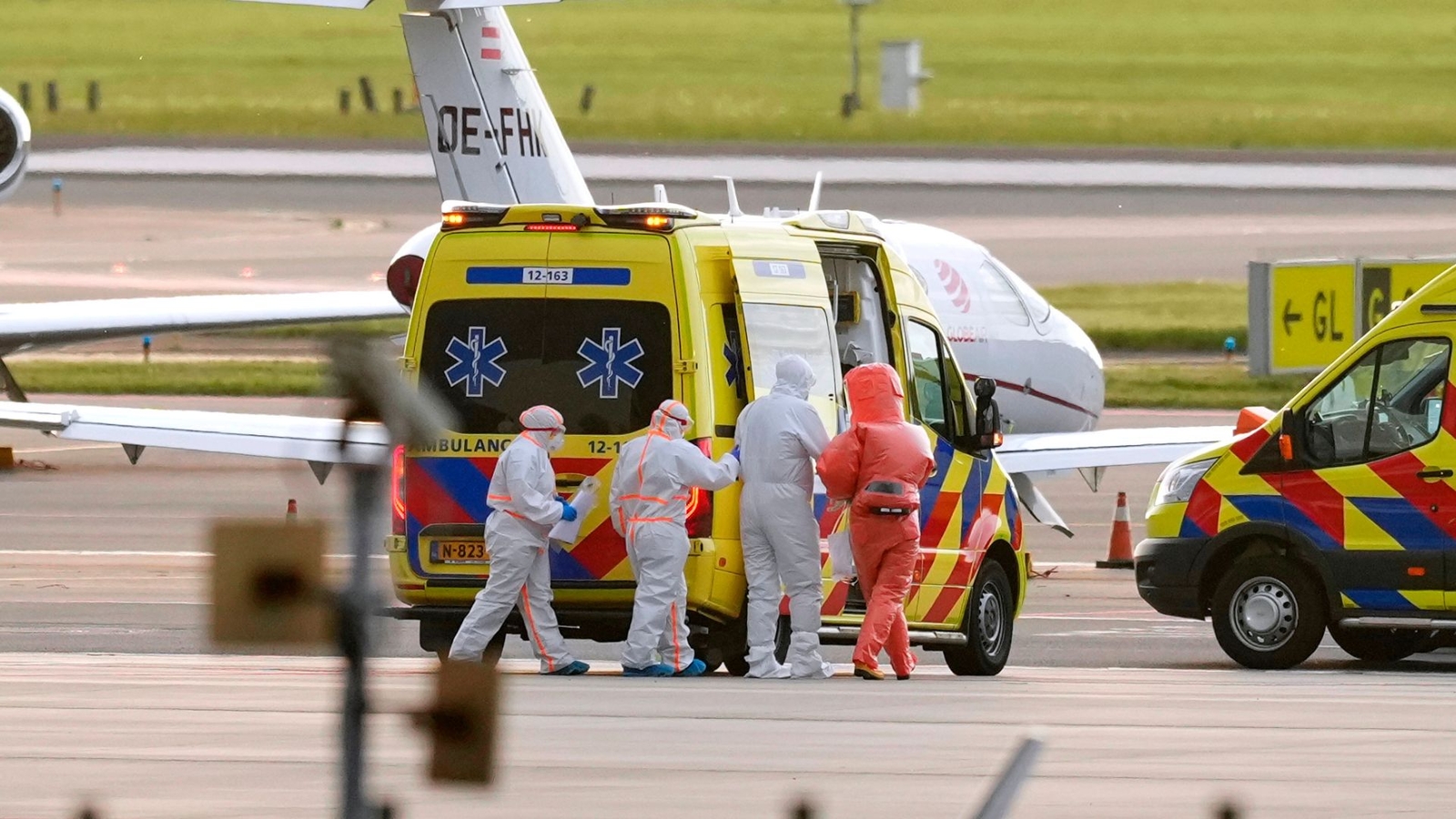
Six cases. Half a dozen people on a vessel carrying thousands. The headlines treat this like the opening scene of a contagion flick, but the math tells a story of absolute insignificance. While major outlets scramble to link "Spain-bound cruise" with "deadly viral outbreak," they are missing the most obvious reality: the risk of you dying from a hantavirus on a cruise ship is lower than the risk of the ship being struck by a meteor while you're winning the jackpot at the onboard casino.
The panic machine thrives on the word "Hantavirus" because it sounds exotic and carries a high case-fatality rate. But the "lazy consensus" here—that travel hubs are becoming petri dishes for rare zoonotic diseases—ignores how these viruses actually function. We are witnessing a failure of basic biological literacy, fueled by a media cycle that values clicks over clinical context.
The Rodent in the Room
Hantaviruses are not the next COVID-19. They aren't even the next flu. To understand why this "outbreak" is a non-event, you have to look at the transmission mechanics. Hantavirus Pulmonary Syndrome (HPS) and its cousins are primarily spread through the aerosolization of rodent excreta.
You don't catch this by shaking hands with the guy in cabin 402. You don't catch it because someone coughed during the buffet line. You catch it by breathing in dust contaminated with urine or droppings from specific species of mice or rats.
Unless that cruise ship is a derelict barge filled with grain and deer mice, the "outbreak" isn't a systemic failure of maritime hygiene. It is almost certainly a localized exposure event that happened before these passengers stepped foot on the gangway. Yet, the narrative frames it as a "cruise ship virus." This isn't just a misdiagnosis; it’s a category error.
Geography is Not Pathogen Destiny
The report fixates on the "Spain-bound" nature of the voyage. This is a classic red herring. Hantaviruses are found globally, but they are hyper-local. The strain matters.
In the Americas, we deal with New World hantaviruses like Sin Nombre, which attacks the lungs and has a terrifying mortality rate of roughly $35%$. In Europe and Asia, you mostly find Old World strains like Puumala or Dobrava, which cause Hemorrhagic Fever with Renal Syndrome (HFRS).
- The Mortality Gap: HFRS generally has a much lower mortality rate (often less than $1%-5%$) compared to the North American respiratory versions.
- The Incubation Window: The incubation period for hantavirus can be anywhere from one to eight weeks.
When you see six people testing positive mid-voyage, the "insider" truth is that they likely shared a pre-cruise excursion or lived in the same rural area. But "Six People Who Went Hiking Together Get Sick" doesn't sell ads. "Cruise Ship Outbreak" does. I’ve seen public health departments burn through six-figure budgets tracing "outbreaks" that were actually just a single shared garage cleaning session a month prior.
The Myth of the "Floating Petri Dish"
We love to hate cruises. They are easy targets for environmentalists and germaphobes alike. But the "floating petri dish" trope is lazy. Modern cruise ships are some of the most aggressively sanitized environments on the planet.
Why? Because Norovirus is bad for business. If a ship gets a reputation for sickness, the stock price craters.
The real danger on a cruise ship isn't a rare rodent-borne virus; it’s the sheer density of human interaction combined with mediocre hand hygiene. If you’re worried about six cases of hantavirus but still touching the elevator buttons and then eating fries, your risk assessment is broken. You are worrying about the shark in the bathtub while ignoring the lightning storm you're standing in.
Dismantling the "People Also Ask" Delusions
Is Hantavirus contagious between humans?
With one extremely rare exception involving the Andes virus in South America, the answer is a firm no. This is the "brutally honest" part that the news skips because it lowers the stakes. If Person A has hantavirus, Person B is safe. You cannot have a "super-spreader" event for a virus that doesn't jump between people. The "confirmed cases" on the ship are a dead end for the virus.
Should I cancel my cruise?
If you cancel a trip because of a hantavirus report, you should also stop driving cars, walking on sidewalks, and eating solid food. The statistical probability of infection is negligible. You are more likely to suffer from severe dehydration after a night at the ship's bar than you are to even see a rodent, let alone inhale its aerosolized waste.
The Real Cost of Health Alarmism
The danger of these reports isn't the virus itself; it's the "Cry Wolf" effect. When we treat every localized medical anomaly like a budding pandemic, we breed a culture of cynical apathy.
I’ve worked in environments where real threats were ignored because the public was exhausted by a decade of "The Next Big One" headlines that never materialized. By the time a legitimate, human-to-human, high-consequence pathogen arrives, the collective "we" will have tuned out.
We are training the public to be afraid of the wrong things. We focus on the "exotic" (Hantavirus, Ebola, Zika) because they feel like movie plots. We ignore the "mundane" (Cardiovascular disease, antibiotic resistance, basic sanitation) because they require boring, long-term discipline.
The Logistics of Fear
Imagine a scenario where a cruise line actually has a rodent infestation significant enough to cause a six-person hantavirus cluster. The logistics of that would be staggering. You would need:
- A massive population of infected rodents.
- A ventilation system that is failing to filter air properly.
- Passengers spending significant time in crawlspaces or storage areas where dust is settled.
It doesn't happen. The ship's crew are the ones in the guts of the vessel, and they aren't the ones getting sick. This points directly back to a terrestrial, pre-boarding exposure. The ship is just the place where the symptoms finally manifested.
Stop Looking for the Boogeyman
The WHO reporting these cases is standard procedure. It’s what they do. It’s a clerical entry in a global ledger of disease. It is not a flare gun signal for the end of the world.
If you want to be a savvy traveler, stop reading the "Breaking News" banners and start looking at the data.
- Check the strain.
- Check the transmission vector.
- Check the incubation period.
If the virus can't move from human to human, it’s not an outbreak; it’s a coincidence. Six cases in a world of eight billion is a rounding error. Treat it as such.
The industry will continue to sanitize, the WHO will continue to file reports, and the media will continue to pretend we are all one sneeze away from extinction. Your job is to be smarter than the headline.
If you’re still worried about the "Spain-bound" hantavirus, do me a favor: wash your hands, eat your vegetables, and stop crawling through the air ducts of international vessels. You’ll be fine.
The cruise isn't the problem. Your inability to filter noise is.