Panic Is Not A Protocol
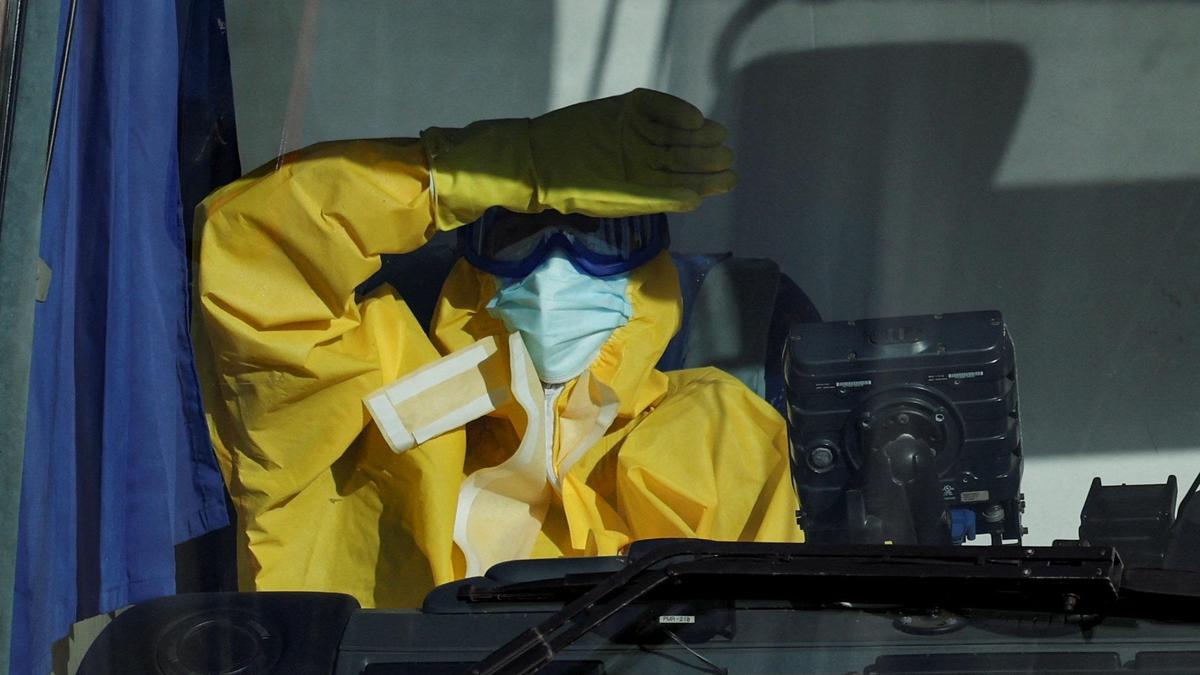
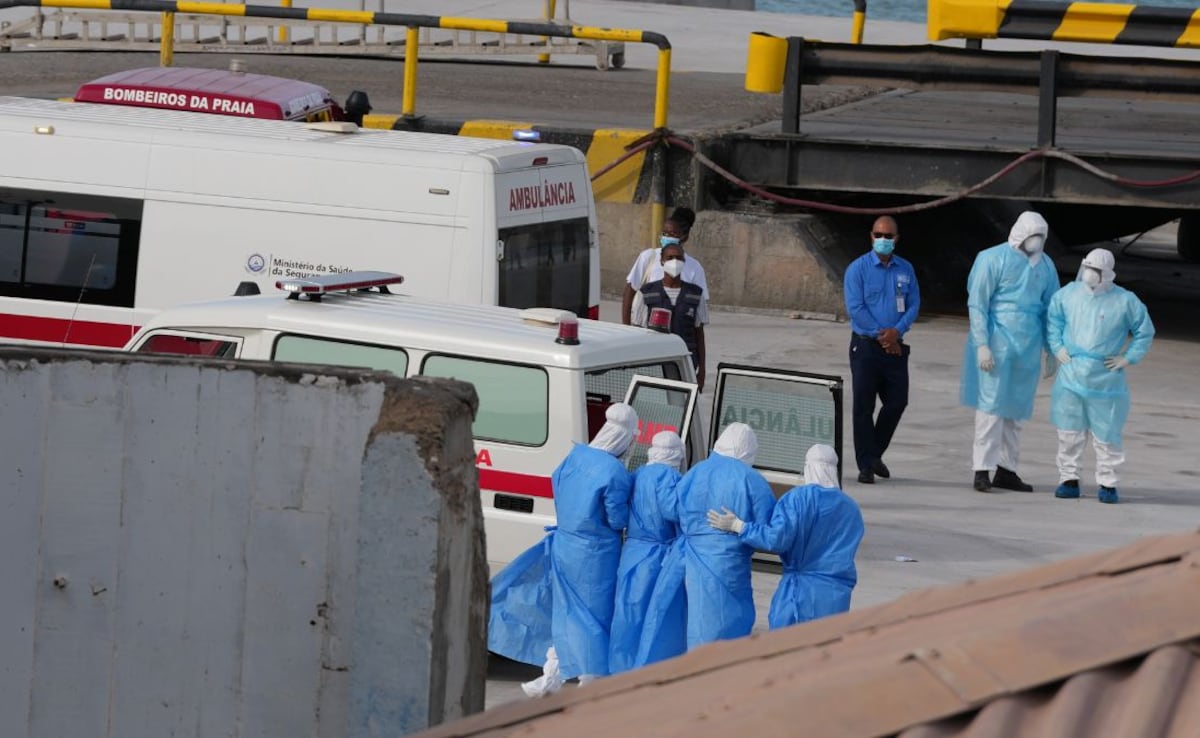
The headlines read like a script for a mid-budget viral thriller. Hospital staff in the Netherlands were rushed into quarantine after a patient was treated for hantavirus without "proper" Personal Protective Equipment (PPE). The public reacts with a predictable shudder. The media paints a picture of a narrow escape from a bio-catastrophe.
It is all absolute nonsense.
The quarantine of those healthcare workers wasn't a triumph of safety; it was a surrender to bureaucracy and a fundamental misunderstanding of viral mechanics. If you want to know why our healthcare systems buckle under the slightest pressure, look no further than this specific brand of clinical overreaction. We are valuing the optics of "safety" over the reality of science.
The Biology Of Fear vs. The Biology Of Reality
Let’s get the science straight before the fear-mongers bury it. Hantaviruses—specifically those found in Europe like the Puumala virus—are primarily transmitted via the inhalation of aerosolized droppings, urine, or saliva from infected rodents.
Here is the hard truth that every "quarantine first, think later" advocate ignores: Human-to-human transmission of hantavirus is extraordinarily rare.
Outside of the Andes virus in South America, there is virtually zero evidence that sitting in a room with an infected patient, or even drawing their blood, constitutes a high-risk event for a secondary outbreak. By locking down staff who were "exposed" to a patient in a sterile hospital environment, administrators weren't stopping a plague. They were participating in a performative ritual.
- The Myth: Hantavirus is the next airborne apocalypse.
- The Reality: Unless your hospital wing is infested with bank voles and you are actively sweeping up their dried excrement, the risk to staff is negligible.
I’ve seen this play out in high-stakes environments for a decade. When a "scary" pathogen enters the ward, logic exits through the ventilation shafts. We treat every zoonotic spillover like it’s the 1918 flu because administrators are more afraid of a lawsuit than they are of a staffing shortage.
The High Cost Of Safety Theater
When you quarantine a dozen specialized nurses and doctors based on a statistical impossibility, you aren't protecting the public. You are actively endangering every other patient in that hospital.
Think about the math of a modern ICU. You operate on razor-thin margins. You have a specific ratio of skilled clinicians to critical beds. When you yank a team out of rotation to sit in a hotel room for two weeks because they "might" have caught a virus that doesn't jump between humans, you create a vacuum.
In that vacuum:
- Response times increase.
- Fatigue-related errors spike among the remaining staff working double shifts.
- Triage decisions become brutal.
The "precautionary principle" is often used as a shield for intellectual laziness. If you don't have to think about the actual transmission vectors, you just lock everyone up. It's the clinical equivalent of "better safe than sorry," but in medicine, "better safe" for one person often means "definitely dead" for another.
PPE Is Not A Magic Shield
The obsession with "proper PPE" in the hantavirus narrative suggests that if a nurse isn't wearing a space suit, they are walking into a death trap. This devalues the most important tool in any hospital: clinical intuition and targeted precautions.
Standard precautions—hand hygiene, gloves, and basic fluid protection—are more than sufficient for managing a hantavirus patient. The demand for N95s or higher-level respiratory protection for a non-respiratory, non-human-transmissible virus is scientifically illiterate. It’s "protective gear as a security blanket."
We are training a generation of healthcare workers to be terrified of their patients. We are teaching them that if a piece of plastic isn't between them and a human being, they are at mortal risk. This isn't just wrong; it’s corrosive to the very foundation of care.
The PAA Problem: Dismantling The Common Anxiety
People often ask: "How long is the incubation period for hantavirus?"
They ask because they want to know when the "danger" is over. The better question is: "Why are we focusing on the incubation period of a non-contagious event?"
If a staff member isn't a rodent, and they aren't living in a nest of infected droppings, the incubation period is irrelevant to public safety. We focus on the wrong metrics because they are easy to track. It’s easy to count days in a quarantine; it’s hard to admit that the quarantine was unnecessary.
Another common query: "Can hantavirus spread through hospital ventilation?"
The answer is a flat no. Unless your ventilation system is actively sucking up dust from a barn in a rural province and dumping it directly into the surgical suite, the risk is zero. But by entertaining these questions with "coulds" and "mights," health officials fuel the fire of clinical hypochondria.
The Liability Trap
The real reason these quarantines happen has nothing to do with virology and everything to do with the Legal-Medical Complex.
If a hospital follows the science and someone—by some freak, one-in-a-billion genetic fluke—gets sick, the hospital is liable for "negligence." But if the hospital imposes a draconian, unnecessary, and scientifically baseless quarantine, they are praised for being "proactive."
We have incentivized irrationality.
I have watched hospitals burn through millions of dollars in "emergency protocols" for pathogens that pose less risk to the average doctor than the drive to work. We are diverting resources away from oncology, from cardiac care, and from mental health to fund a multi-billion dollar industry of bio-terror preparedness that can't even distinguish between a rodent virus and a human one.
A New Protocol For Sanity
If we want to fix this, we have to stop treating every "unprotected" encounter as a biological breach.
- Risk-Based Triage: Stop the blanket quarantines. If the virus doesn't spread human-to-human, the "exposed" staff stay at work. Period.
- Scientific Literacy for Admins: Hospital boards need to be populated by people who understand R0 values, not just insurance premiums.
- End the PPE Fetish: Reserve high-level gear for actual respiratory threats. Stop using it as a costume to satisfy the evening news.
The Dutch hospital incident wasn't a failure of PPE. It was a failure of leadership. It was a failure to stand up and say: "The staff is fine, the patient is being treated, and we are going back to work."
Until we stop rewarding panic, we will continue to see our healthcare systems paralyzed by ghosts. The hantavirus isn't the threat. Our reaction to it is.
The next time you see a headline about a "mass quarantine" in a modern hospital, don't look for the virus. Look for the bureaucrat with a clipboard who is too afraid to read a biology textbook. That is where the real infection lies.