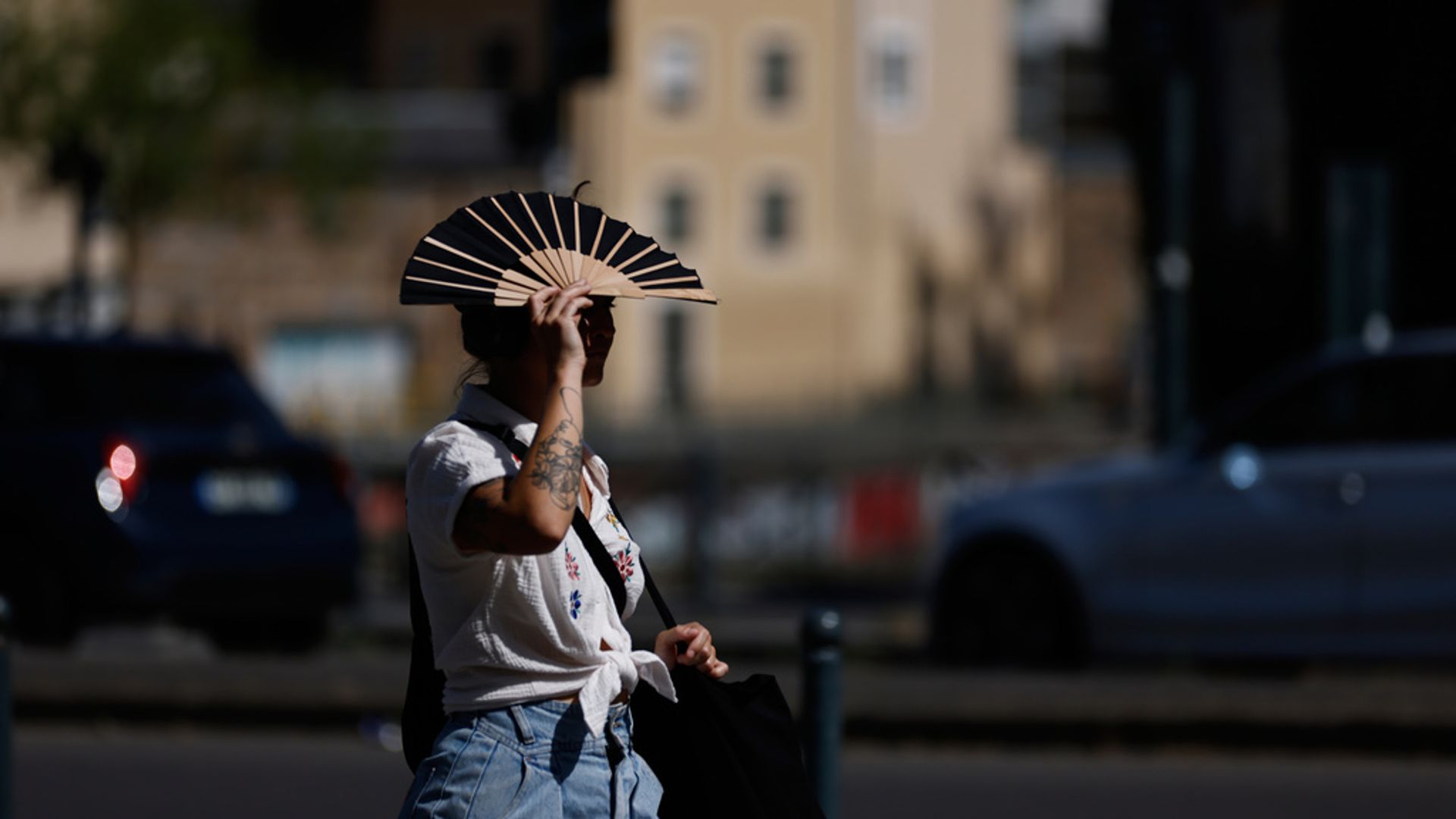
The air in Paris did not move. By midnight, the limestone buildings of the city were radiating heat like old brick ovens left on after the baking is done. Asphalt underfoot felt tacky, giving slightly under the weight of shoes. People sat on curbs, their shirts clinging to their backs, staring at a sky that refused to cool down.
It was the hottest night France had recorded in seventy-nine years. You might also find this connected story insightful: Inside the BRICS Security Alliance Friction Nobody is Talking About.
When the sun finally dipped below the horizon, it brought no relief. The thermometer hovered at a suffocating baseline, turning bedrooms into sweatboxes and forcing thousands out into the dark. In a country where air conditioning is a rare luxury rather than a standard appliance, a heatwave transforms from an inconvenience into a predatory force. It tracks you into your home. It keeps you awake. It wears down your resolve until the only thing you can think about is escape.
Consider what happens next when a whole population reaches that breaking point simultaneously. As highlighted in latest articles by NBC News, the results are significant.
The Mirror on the Water
Imagine standing on the banks of a river or the edge of a mountain lake when the temperature hits forty degrees Celsius. The water looks like glass. It promises an instant, shivering reset to a body that feels like it is boiling from the inside out.
But water is deceptive when the air is on fire.
In a single week, forty people across France went into the water and never came back out. They were toddlers playing near garden pools, teenagers daring each other to jump from sun-baked piers, and elderly citizens looking for a familiar, gentle way to cool aching joints. The sheer volume of loss over seven days caught a nation off guard, turning a collective search for relief into a quiet, widespread tragedy.
The mechanism behind many of these incidents is something lifeguards call thermal shock. When a human body has been baking in extreme heat, its core temperature rises. Jumping directly into cold water causes an immediate, involuntary gasp reflex. If your head is underwater when that gasp happens, your lungs fill instantly. The heart, suddenly shocked by the violent drop in external temperature, can constrict or flutter wildly.
It takes seconds. No splashing. No shouting for help. Just a sudden, silent disappearance beneath the surface.
When Safety Becomes an Illusion
We tend to view safety as a personal choice, a matter of being careful or knowing how to swim. But extreme weather rewrites the rules of basic survival. When an amber weather warning covers massive swaths of a country, the infrastructure of ordinary life begins to fracture.
Public pools become dangerously overcrowded. Beaches are packed shoulder-to-shoulder. When the official swimming zones fill up, people seek out the unmonitored places—the hidden bends of the Seine, the deep quarries, the fast-flowing canals where no lifeguard is watching.
The human brain under intense heat stress does not make logical risk assessments. Prolonged exposure to high temperatures clouds judgment, slows reaction times, and breeds desperation. A steep riverbank that looks treacherous on a mild spring day suddenly looks like the only path to survival when your skin is burning.
The tragedy unfolding across the French countryside is a preview of a shifting reality. It is a world where summer is no longer an unalloyed joy, but a season that must be managed with tactical precision.
The Heavy Air of the Aftermath
Walk through any French town during the peak of these warnings and you will notice a strange, heavy silence. The usual chatter of outdoor cafes is muted. Shutters are slammed shut during the day to keep out the light, turning beautiful historic avenues into rows of blank faces.
The true weight of a heatwave is not captured by the numbers on a digital billboard or the official statistics released by a government ministry. It is found in the quiet tension of a parent watching a child splash in a shallow pool, knowing how quickly a moment of fun can turn. It is found in the exhaustion of emergency workers who spend their shifts racing from one emergency to the next, pulling bodies from waters that should have provided comfort.
We are forced to look at our relationship with nature differently. The elements we rely on to sustain us—the sun that grows the crops, the water that cools our skin—can turn hostile when pushed to extremes.
As the sun rises on another day without a cloud in sight, the heat begins its slow, relentless climb once more. The air thickens. The water waits, shimmering and cool, a beautiful invitation hiding an unpredictable, silent depth.


