Paper.
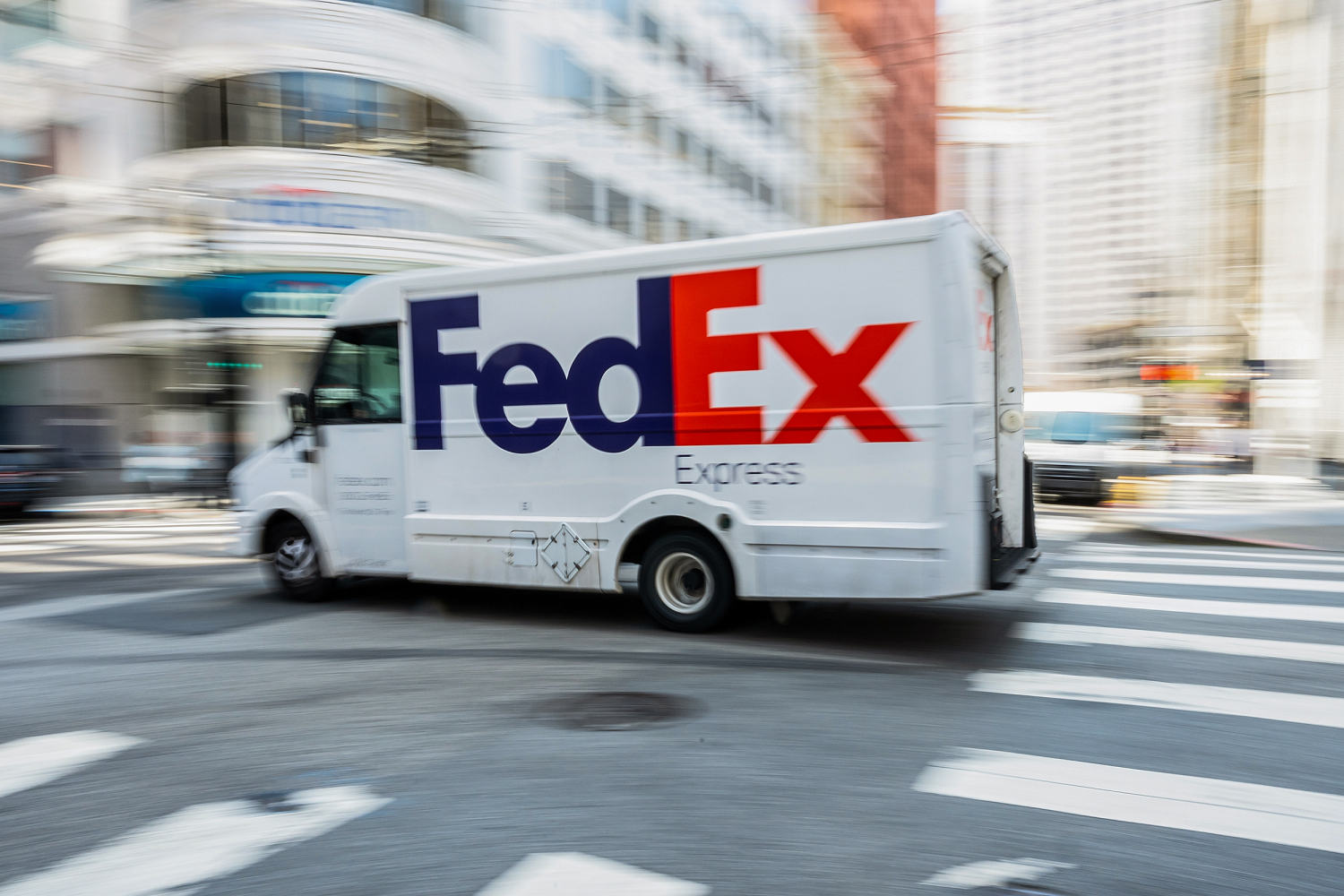
It is the most ordinary thing in the world, until a piece of coated stock bearing the face of a rookie pitcher or a holographic pocket monster carries a price tag that could buy a suburban house. When nearly one million dollars' worth of sports cards and Pokémon cards disappears from a FedEx truck in California, a headline flashes across screens and then fades into the daily scroll. A theft. A logistics failure. Another number in the ledger of modern retail crime.
Numbers are tidy. Grief is not.
To understand what actually vanishes when high-value trading cards are stolen in transit along a California highway, you have to strip away the cold vocabulary of loss prevention and look at what sits inside those sealed cartons. This is not merely inventory. It is memory laminated in plastic, capital compressed into a shoebox, and years of patient obsession packed into a delivery van that was never meant to look like an armored car.
Why a Box of Cards Is Never Just a Box of Cards
To an outsider, the whole thing sounds slightly absurd. Grown adults paying five figures, six figures, or more for cardboard rectangles printed with athletes and fictional creatures. I used to smile at that absurdity myself, until I spent enough hours in card shops, trading rooms, and quiet living rooms watching how people actually treat these objects.
A card is a strange kind of time capsule. A collector buys a pack in 1999 on a sticky July afternoon, forgets it in a closet, and twenty-five years later discovers that childhood impulse has become a serious asset. A shop owner in California spends months hunting down allocations, paying distributor premiums, pre-selling boxes to loyal regulars, and staking their cash flow on timely delivery. An investor treats graded slabs like blue-chip equities, holding them through market booms and dips while hoping a single shipment arrives intact.
Consider what happens next: a truck carrying nearly a million dollars in sports cards and Pokémon cards gets hit or targeted in California. Because no specific incident details are provided beyond the headline itself, I cannot point to a single street corner, surveillance frame, or suspect arrest in this story. What I can examine—and what every collector and small business owner in this ecosystem knows too well—is the structural vulnerability of moving concentrated wealth inside standard commercial freight.
Here is a hypothetical scenario to show the human weight behind that million-dollar figure. Imagine Elena, a hypothetical independent hobby shop owner in Southern California who has poured her savings into building a local gathering spot where kids learn to trade and veterans talk 1980s baseball. Say a major portion of her seasonal restock—rare Pokémon booster boxes and high-end sports releases already promised to pre-order customers—is riding in a commercial delivery pipeline that suffers a high-value theft. Tomorrow morning, her phone will ring with questions she cannot answer. Next week, her working capital could be frozen in claims paperwork while her rent still comes due.
That hypothetical mirrors a very real pattern across California's freight corridors. Thieves do not steal things by accident. Cargo theft in high-value consumer goods thrives on predictability: known routes, recognizable shipping labels, high resale liquidity, and the gap between when a box is taken and when anyone can trace it.
The Quiet Mechanics of Cargo Theft in the Hobby Boom
Trading cards sit at an awkward intersection of pop culture and alternative finance. Over the last several years, grading companies, auction houses, online marketplaces, and live-stream breaks turned hobby boxes from niche curiosities into high-velocity merchandise. A single case of sought-after sports cards or coveted Pokémon sets can easily clear tens of thousands of dollars at retail—and far more if individual chases are pulled or graded high.
Yet the physical shipping layer often looks remarkably like the shipping layer for blenders, sneakers, or phone chargers.
A standard delivery truck carries hundreds of parcels. The driver has a tight schedule, a heavy route, and no way to treat every cardboard box like a bullion bar. Meanwhile, organized thieves—or opportunistic crews working tips—understand resale channels better than casual observers give them credit for. Sealed Pokémon product has a passionate, global secondary market. Graded and ungraded sports cards can move through local swap meets, online listings, private collector groups, or out-of-state buyers once serial numbers, packaging quirks, or distinct lot compositions are obscured.
Think of it like shipping fine wine in plain uninsulated crates through a busy port. The liquid inside might be worth a fortune per bottle, and every sommelier on the coast would recognize the vintage, yet the exterior packaging whispers nothing of its rarity—except to the people who have studied the manifest and watched the dock.
When high-value collectibles travel in standard commercial streams, the gap between street value and physical security becomes an open invitation.
Even when insurance exists, recovery is rarely clean. Insurance pays declared value or wholesale replacement cost after investigations, audits, and waiting periods. It rarely replaces a sold-out allocation that cannot be repurchased at the original price. It cannot hand a ten-year-old the exact birthday box their parents ordered weeks ahead. And it cannot erase the knot in a small business owner's stomach when they have to tell a regular customer, "The truck never made it."
What Happens When Trust Fractures Along the Supply Chain
I have stood behind counters and watched faces drop when bad news arrives over a tracking number. The smell of fresh cardboard and glossy ink gives way to something much heavier: frustration, suspicion, and exhaustion. When nearly a million dollars vanishes from a FedEx truck in California, the shockwave travels in several directions at once.
First comes the immediate operational shock. Carriers launch security reviews, shippers file loss reports, and law enforcement pieces together whatever camera angles, GPS pings, or witness accounts exist. None of that happens at the speed of a social media post. Investigations take time, and silence breeds rumors.
Then comes the market ripple. Whenever a major theft hits the hobby, collectors start looking sideways at deals that seem a little too good to be true. If a seller suddenly lists a suspiciously deep stack of sealed cases or high-end singles right after a major regional hit, cautious buyers hesitate. Honest sellers get caught in the crossfire of heightened scrutiny, forced to prove provenance, show invoices, and explain delays that were never their fault.
I will admit something candidly here: the economics and logistics of collectibles security can feel confusing and deeply unsettling even to people who follow the space closely. Sometimes a box is stolen in a brazen smash-and-grab or coordinated heist. Sometimes a shipment is intercepted, misrouted, or targeted because someone knew what was inside. Without verified investigation records for a specific incident, guessing motives is irresponsible—and I will not pretend to know facts that are not established.
What is undeniable, however, is how fragile trust becomes when high-value goods go missing in transit. A buyer trusts the retailer. The retailer trusts the distributor and carrier. The collector trusts that when they pay a steep premium, the item actually exists and will arrive safely. Every high-profile theft chips away at that chain of trust.
Why California Keeps Showing Up in These Stories
California is not just a state on a map for the collectibles world; it is a gravity well. Massive population centers, major ports, dense highway networks, thriving hobby shops, and a huge concentration of collectors and dealers converge there every day. Where volume is massive, both legitimate commerce and illicit opportunism scale up.
Historically, thieves have always followed liquidity. When gold moved by stagecoach, stagecoaches were targets. When electronics boomed, warehouse lots and highway corridors saw spikes in cargo theft. As trading cards matured into a multi-billion-dollar global category with rapid price discovery and passionate buyers, they naturally entered the crosshairs of property crime.
But there is another layer beneath the geography: emotional liquidity.
People do not hold onto trading cards solely because of spreadsheets. A 1996 basketball card might remind someone of shooting hoops in a driveway until the streetlights flickered on. A vintage Charizard or modern chase card might represent a milestone saved for, a shared ritual between parent and child, or a badge of identity in a community where people finally feel they belong.
If I compare a stolen shipment of cards to a stolen paycheck, that is a metaphor—and an imperfect one, because a paycheck is fungible cash while a rare card or sealed case carries cultural and personal weight that cash cannot immediately replicate. Still, for a small dealer whose livelihood depends on inventory turning over cleanly, a missing million-dollar load feels uncomfortably close to watching a year's work evaporate on the asphalt.
How Collectors and Sellers Protect Themselves Without Losing the Joy
So what can someone do when a headline like this lands and makes the whole hobby feel precarious? You cannot personally patrol every highway in California or ride shotgun inside every delivery van. You can, however, tighten the habits within your control.
For buyers and collectors, provenance matters more than hype. Buying from established retailers, reputable breakers with transparent sourcing, and trusted platforms with strong buyer protections lowers the odds of accidentally funding stolen goods or getting burned by a vanishing order. Paying close attention to shipping methods, signature requirements on high-ticket items, and unusual pricing on sealed cases is basic street smarts in a high-value market.
For shops, sellers, and shippers, risk management is no longer an afterthought once order values climb. Requiring adult signatures, using discreet packaging rather than flashy branding where appropriate, insuring shipments for realistic replacement value rather than bare minimums, and keeping meticulous records of serial numbers, lot details, and purchase receipts can make the difference between a painful setback and a total wipeout.
None of these steps eliminate risk completely. Security is always a cat-and-mouse game between people building systems and people looking for seams. Yet smart preparation turns panic into process—and process is what keeps a passion sustainable when bad luck strikes.
The Real Stakes Behind Every Missing Carton
Stepping back from the headlines, the story of nearly one million dollars in sports and Pokémon cards stolen from a FedEx truck in California is really a story about value in the modern world. We live in an era where physical things can carry digital-style valuations overnight, while the trucks carrying them still roll through real traffic, real darkness, and real human vulnerabilities.
A theft of that scale hurts wallets, stalls businesses, and tests patience. It also reminds us how much meaning we pack into small things—and how quickly a single break in the chain can turn excitement into loss.
Somewhere along a stretch of California concrete, a door closed, a route shifted, and nearly a million dollars' worth of cardboard dreams went dark—leaving behind empty shelves, unanswered calls, and collectors staring at tracking screens that stopped moving.