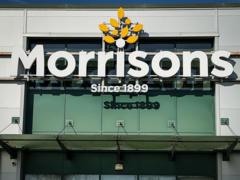
A £750,000 fine handed to WM Morrison Supermarkets this week in a South Wales court is not just a penalty for a dirty bakery. It is a structural indictment of how the "Big Four" grocery model is fraying at the edges.
While customers in Cwmbran thought they were buying artisanal loaves from the store's "Market Street" section, environmental health officers were documenting a collapse in basic hygiene. The reality included failing to maintain clean premises, dirty food contact equipment, and a lack of oversight that ultimately saw a rodent scuttling through the aisles. This was not a localized accident. It was the result of a systemic failure in food safety management that forced the immediate closure of the bakery and a plummeting hygiene rating.
The Cost of Cutting Corners
The £750,000 figure is significant. It reflects the court's view that a multi-billion pound entity cannot plead ignorance or lack of resources when it comes to public safety. When a supermarket chain prioritizes the optics of a "fresh" bakery while stripping back the labor required to actually clean it, the result is a fine that wipes out the profit margins of that department for years.
The inspection in August 2024 at the Cwmbran branch revealed a laundry list of failures.
- Persistent dirt and grease on surfaces designed for food preparation.
- Supervision gaps where staff were not adequately trained or monitored in hygiene protocols.
- Infrastructure decay that allowed pests to enter what should be a sterile environment.
This wasn't a "one-off" bad day. It was a failure to implement a documented food safety management system—the very "paper trail" of safety that prevents a bad afternoon from turning into a public health crisis. The bakery was hit with a Food Hygiene Rating of 1. In the world of retail, that is the equivalent of a scarlet letter.
The Mirage of Freshness
Morrisons has long leaned on its "Market Street" concept to differentiate itself from Tesco or Sainsbury’s. They want you to believe there is a butcher, a baker, and a fishmonger working with the same care as a high-street independent. But the Cwmbran case exposes the tension in this business model.
Maintaining a scratch bakery is expensive. It requires specialized labor and rigorous, constant cleaning. As supermarkets face pressure from discounters like Aldi and Lidl, the easiest things to cut are the invisible tasks—the deep cleans that happen at 3:00 AM, or the maintenance of seals and floor drains. When the "theatre" of the bakery is maintained but the back-end hygiene is ignored, the brand isn't just selling bread; it's selling a risk.
Why the Fine Was So High
Sentencing in these cases is now tied directly to the turnover of the parent company. The days of £10,000 "slaps on the wrist" for major corporations are over. The Newport Magistrates’ Court used the sentencing guidelines to ensure the penalty was "proportionate" to the size of the business.
The court heard that the issues were identified during a routine check. This is perhaps the most damning part for the business. It means internal audits failed to catch or rectify the filth before the government had to step in and shut the doors. A company of this scale should have internal "red-teaming" that is stricter than the official inspectors. That the Council had to issue an emergency closure notice suggests a total breakdown in the corporate chain of command.
Beyond the Scrub Down
While the Cwmbran bakery has since clawed its way back to a rating of 4, the damage to consumer trust is harder to fix with a mop. This case highlights a growing trend in UK retail where aging stores are struggling to keep up with modern hygiene expectations. Some shoppers at the store have noted that the building itself feels tired, with reports of buckets in the aisles to catch water from leaking roofs.
Infrastructure and hygiene are inextricably linked. You cannot keep a bakery clean if the building's "envelope" is compromised. Gaps in doors, cracks in walls, and moisture from leaks are invitations for the very pests that environmental health officers found in January 2026.
The Regulatory Squeeze
Local authorities in Wales, particularly Torfaen Council, are sending a clear signal. They are no longer content with an "informal, educative approach" when it comes to national chains. The pivot to prosecution shows a lack of patience with the "we will do better next time" defense.
For the wider industry, this is a warning. The "Market Street" model is a high-wire act. If you want the premium associated with fresh food, you must pay the premium for high-end hygiene. Anything less is just a facade that eventually, inevitably, rots.
Supermarkets must decide if they are truly in the business of fresh food or if they are just running a logistics operation with a bakery-scented candle. If it is the former, the investment must go deeper than the paint on the walls. It has to reach the floor drains, the oven vents, and the training manuals of every staff member on the graveyard shift.
The £750,000 fine is a line in the sand. It is a reminder that in the eyes of the law, a supermarket’s size is no shield against the consequences of a dirty floor. The public expects more than just a low price; they expect the bread they buy for their children to be made in a place that wouldn't make a health inspector gag. Morrisons learned that lesson the hard way in South Wales. The rest of the industry would be wise to start scrubbing.
The message is clear: clean up, or pay up.