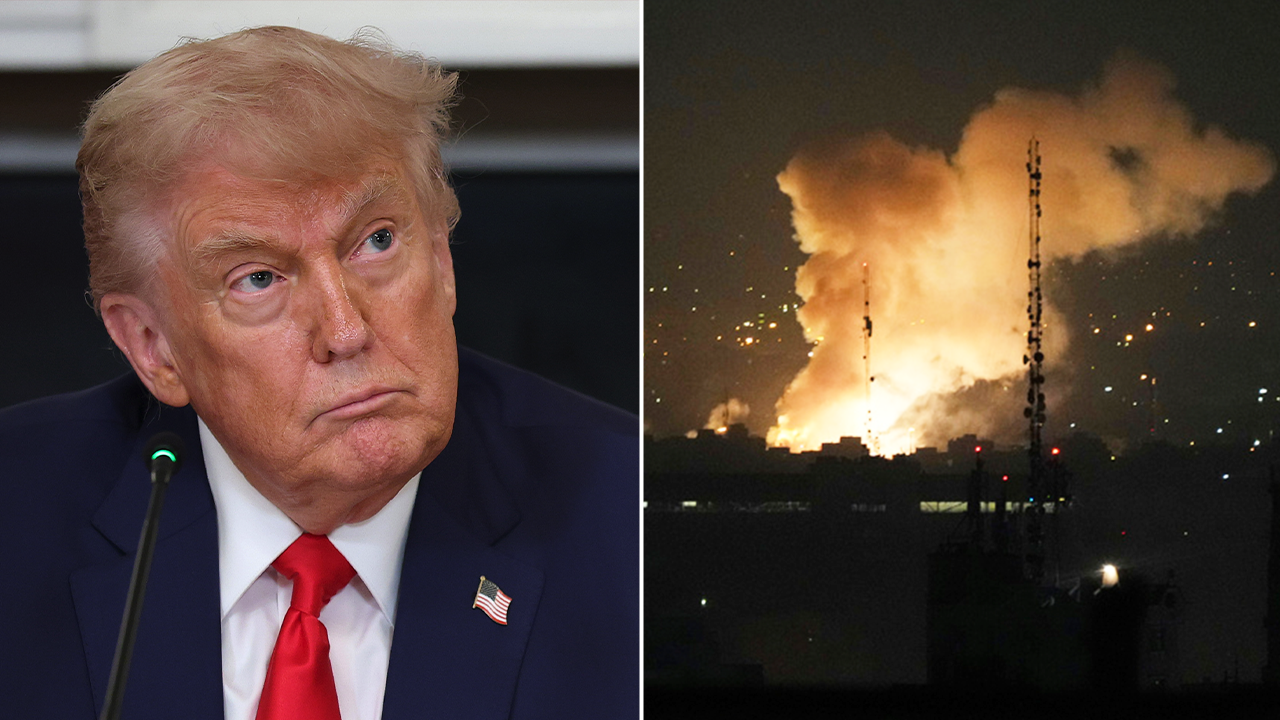
The safety of students isn't a debating point. It's the only priority that matters when a region slides toward instability. Recent tensions involving Iran and neighboring territories have forced the Central Board of Secondary Education (CBSE) to make a massive call regarding 12th-grade board exams. If you've been following the news, you know that rumors spread faster than official PDFs. Let’s get the facts straight. The board has suspended or rescheduled exams in several international centers due to the unpredictable security situation. It's not just a "delay." It's a logistical nightmare for thousands of Indian expat families.
Students in cities across certain Middle Eastern corridors woke up to notifications that their centers were closed. This isn't the first time geopolitics has crashed into the classroom, but the scale here is different. We aren't just talking about a single city. We're talking about a coordinated effort to keep teenagers out of potential crossfire or transit zones that are no longer deemed safe by international security protocols.
Why the CBSE had no other choice
Some critics argue that exams could have been conducted online or in smaller, decentralized pockets. That's wishful thinking. The CBSE operates on a rigid, high-security paper-and-pen model for its board exams. You can't just "Zoom" a 12th-grade physics or math paper without compromising the entire integrity of the national ranking system. When the airspace gets complicated and local curfews or "stay-at-home" advisories hit, the physical transport of question papers becomes impossible.
The board's decision stems from a direct assessment of ground realities in specific zones. If a student can't safely commute to a center because of military escalations or civil unrest, the exam is void. Period. It's a tough pill for students who've spent two years prepping, but a certificate isn't worth a life. I've seen how these situations play out. The board usually waits until the last possible second to cancel, hoping for a de-escalation that rarely comes in time.
Impact on college admissions and the moving goalposts
The real stress isn't the exam itself. It's what happens after. Grade 12 is the gateway to university. If you're a student in Dubai, Doha, or Tehran looking at Indian institutes like the IITs or applying to European universities, a cancellation feels like a door slamming shut.
Most universities require final transcripts by a specific deadline. When the CBSE cancels exams in certain countries, those students enter a "limbo" status. Typically, the board uses a pro-rata marking system based on internal assessments or previous papers, but that's never as satisfying as a final score.
- Internal Assessments: These become the new gold standard when finals are gone.
- Practical Scores: These usually stay valid since they're often completed before the major theory papers.
- University Liaisons: The CBSE often has to issue formal letters to international universities explaining the "Force Majeure" situation so students don't lose their seats.
How the board manages the "Alternative" marking
If you're wondering how they’ll grade you, look at the 2020-2021 pandemic era. It's the blueprint. The board doesn't just guess. They use a weighted average. If you've already finished three out of five papers, those three carry more weight. If you haven't started, they look at your pre-boards and 11th-grade finals. It's not perfect. Honestly, it's often unfair to the "late bloomers" who bank on the final month of intense study to spike their percentages.
But here’s the reality. The CBSE is an massive machine. It values uniformity. They can't give one set of students a different difficulty level later in the year without the rest of the 1.6 million candidates screaming about "normalization" issues. That's why cancellations in conflict zones usually result in an "assessed" grade rather than a rescheduled exam six months down the line.
What you should do right now
Stop refreshing Twitter for updates from unverified handles. The only source that matters is the official CBSE website or your school principal. Schools in the Middle East are in constant contact with the Indian Embassies. If the embassy says "stay home," the school has to comply.
If your exam was canceled, start gathering your "evidence." Make sure your school has your internal marks, project files, and pre-board results organized. You might need these to appeal a grade later if the assessment doesn't go your way. Also, if you're applying abroad, email your admissions officers today. Don't wait for the CBSE to send a mass circular. Be proactive. Tell them your center was affected by the regional conflict. They usually have policies for this, but they won't apply them if they don't know you're affected.
Keep your books open. Just because one paper is canceled doesn't mean the whole schedule is dead. If the situation stabilizes, the next scheduled paper might still happen. Don't let the "war news" break your study rhythm. Stay focused on what you can control. The rest is just noise and high-level diplomacy.
Check your registered email daily. The CBSE is moving toward more direct communication with students to bypass the chaos of social media misinformation. Your admit card portal is your best friend right now.