The air inside the briefing room always smells faintly of stale coffee and ozone from the monitors. On the screen, a map of the Middle East glows with infrared markers. Each blinking dot represents a strike, a drone trajectory, or an asset moving through the shadows. For the analysts watching, these are not abstract political chess pieces. They are real moments of impact.
Outside, the public hears a different story. They hear a narrative of supreme confidence, where complex geopolitical adversaries are reduced to simple caricatures.
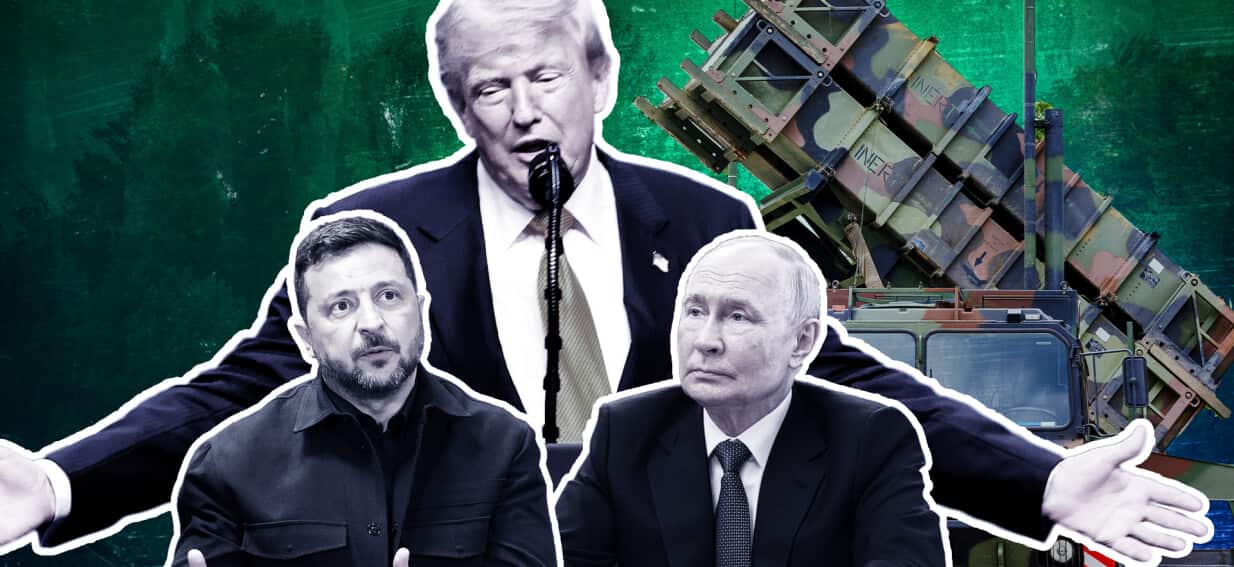
Donald Trump recently stood before cameras and declared that Iran wants to "make a deal badly" even as American missiles were hitting targets tied to Tehran. He called them "sort of crazy," a casual phrase dropped into a conversation about the highest stakes imaginable. It is a classic rhetorical move, painting a fierce adversary as desperate and erratic, ready to fold under pressure.
But the reality on the ground rarely matches the simplicity of a campaign trail soundbite.
Consider the perspective of someone sitting in Tehran, navigating the crushing weight of economic sanctions while trying to maintain regional influence. To the Western eye, the strategy looks like chaos. To them, it is survival. When American strikes hit proxy networks in Iraq or Syria, the immediate response isn't a white flag. It is a recalibration.
The assumption that military pressure automatically forces a proud nation to its knees is a recurring flaw in modern foreign policy. History shows that pressure often hardens resolve rather than softening it. When a government feels backed into a corner, compromising can look like political suicide domestically.
Yet, the rhetoric from Washington continues to insist a breakthrough is just around the corner. It creates a strange paradox. On one hand, the enemy is portrayed as an existential, unpredictable threat. On the other, they are supposedly eager to sign on the dotted line.
This contradiction matters because it distorts public expectation. It suggests that complex, decades-old conflicts can be resolved with a single, aggressive push. It ignores the deep-seated grievances, the regional alliances, and the internal pressures that drive Iranian decision-making.
Imagine a negotiation where both sides believe the other is on the brink of collapse. Neither wants to blink first. Every strike is interpreted not as a warning, but as a provocation that demands a response. This is how miscalculations happen. A single misstep, an misdirected drone, or an overly aggressive retaliation can escalate a controlled standoff into an open conflict that no one actually wants.
The claim that Iran is desperate for a deal might play well to an audience looking for decisive leadership. It offers a comforting illusion of control in an inherently uncontrollable world. But foreign policy built on illusions is dangerous.
True diplomacy requires seeing the adversary as they are, not as we wish them to be. It demands an understanding of their leverage, their pain points, and their red lines. Until the conversation shifts from colorful insults to a clear-eyed assessment of reality, the cycle of strikes and empty rhetoric will continue. The dots on the briefing room monitors will keep blinking, and the elusive deal will remain just out of reach.