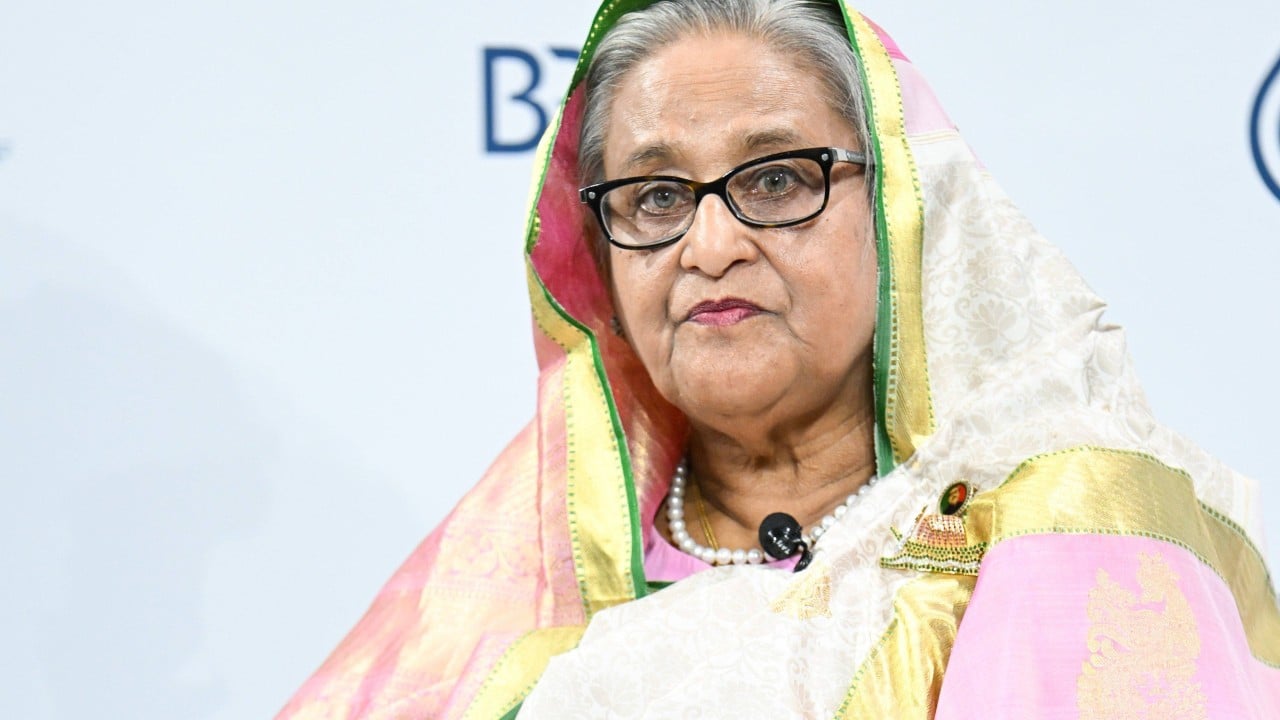
When Donald Trump, Vladimir Putin, and Xi Jinping sat down around the same table at the APEC summit in Shenzhen, cameras captured a moment that felt like a seismic political shift. It was the first time leaders from these three global heavyweights shared a dedicated trilateral stage. Media coverage framed the encounter as a historic reshuffling of global power.
I watched the spectacle unfold with deep skepticism. Big power summits always promise groundbreaking agreements, but they usually deliver political theater.
If you peel back the dramatic photos, red carpets, and warm greetings, the reality becomes obvious. The meeting wasn't a sudden outbreak of world peace. It was a calculated photo op where each leader took home exactly what they needed for their domestic audience.
What Really Happened Behind Closed Doors in Shenzhen
The headlines hyped a 90-minute session that supposedly reset international relations. What actually hit the news wires was a joint "declaration toward peace" containing surprisingly little meat.
The three leaders agreed to set up talks on nuclear risk reduction. They called for undefined reforms at the United Nations. They pledged to boost production of refined petroleum products, and they jointly slammed the International Criminal Court for overreaching its authority.
Notice what wasn't in that document?
There was zero substantive consensus on ending the war in Ukraine. Taiwan wasn't even listed on the shared agenda. The spiraling energy and security crises in the Middle East got brushed aside without a firm roadmap.
The leaders traded broad platitudes while dodging the actual flashpoints that could trigger a global conflict.
┌─────────────────────────────────────────────────────────┐
│              TRILATERAL SUMMIT OUTPUT                   │
├────────────────────────────┬────────────────────────────┤
│ AGREED UPON                │ CONVENIENTLY IGNORED       │
├────────────────────────────┼────────────────────────────┤
│ • ICC Jurisdiction Attacks │ • Ukraine Peace Plan       │
│ • Energy Supply Pledges    │ • Taiwan Cross-Strait Policy│
│ • Vague UN Reform Goals    │ • Real Disarmament Targets │
│ • Dialogue on Nuclear Risk │ • Iran Security Guarantees │
└────────────────────────────┴────────────────────────────┘
Why Xi Jinping Came Out Ahead
Beijing didn't host this summit out of benevolence. By bringing Washington and Moscow to the table on Chinese soil, Xi showed the global South that China commands the center of international diplomacy.
Neither the U.S. nor Russia could easily host one another right now. That gave Xi massive leverage as the host and arbitrator.
Xi wanted to project stability. He needed to show domestic investors and regional trade partners that China can manage unpredictable U.S. tariffs and maintain steady energy supply lines from Russia.
By steering the conversation away from hard security concessions on Taiwan or military aid, Beijing positioned itself as the sensible adult in a room full of volatile actors. Xi got his statesman photo without spending a dime of political capital.
Putin's Escape From Diplomatic Isolation
For Moscow, just getting an invitation to sit alongside the U.S. President as an equal partner was a massive political win.
Sanctions were supposed to turn Russia into an international outcast. Instead, Putin walked into a high-profile summit, shook hands with Trump, and signed a document calling for increased oil market activity.
The inclusion of language criticizing the ICC targeted the warrant against him directly. Moscow used the forum to push its narrative, protect its energy sector from further pressure, and signal to its public that Western isolation strategies have failed.
Trump's Transactional Playbook and Its Limits
Donald Trump has always favored direct, leader-to-leader meeting over traditional diplomatic channels. He loves the narrative of the ultimate dealmaker who can break frozen conflicts by sitting down with tough adversaries.
He framed the meeting as a historic breakthrough that only he could pull off. But personal rapport doesn't rewrite state interests.
Calling opponents "friends" makes great television, but it doesn't change Beijing's strategic goals or Moscow's territorial demands. Trump left the summit without firm commitments on trade concessions or war terminations. He got the spotlight, but the structural conflicts dividing these powers remain identical to what they were before the summit started.
How to Read Great Power Summits Moving Forward
Don't buy into the panic or the hype next time world leaders stage a sudden summit. You can evaluate these high-level meetings accurately using a few simple rules.
- Look at the final release, not the opening remarks. If the official statement lacks specific dates, numbers, or binding commitments, nothing changed.
- Check who isn't in the room. When major security decisions get discussed without the affected nations present—like Ukraine or European allies—the chances of actual enforcement drop to near zero.
- Track real economic policy in the days following the event. If trade tariffs, tech export bans, or defense budgets don't shift, the diplomacy was purely symbolic.
Watch national budgets and military deployments over the next quarter. That data reveals the true state of international relations long after the cameras leave.