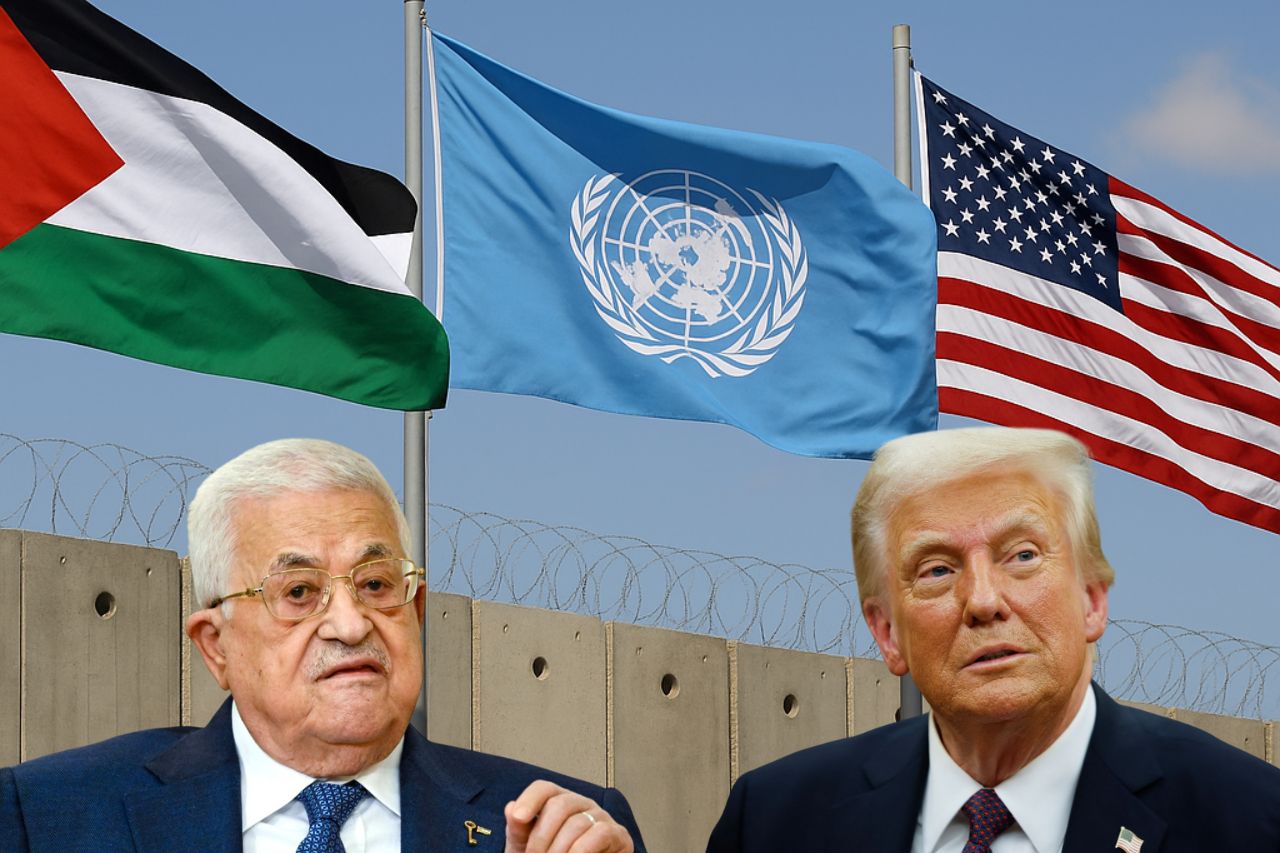
The United States is currently presiding over the most rapid liquidation of cultural and diplomatic capital in modern history. While pundits argue over the latest inflammatory tweet or trade tariff, they are missing the systemic rot underneath. The "moral leadership" of America was never just about being the "good guy" on the world stage; it was a sophisticated toolkit of soft power that allowed Washington to dictate global norms, banking standards, and technological ethics without firing a single shot. By retreating into a transactional, isolationist shell, the current administration isn't just changing foreign policy. It is dismantling the invisible infrastructure that kept the American dollar and American ideals as the world's default operating system.
The High Cost of Transactional Diplomacy
Foreign policy used to be a long game. It was built on the idea that if you help a developing nation build a power grid today, they will buy your turbines and adopt your regulatory standards for the next fifty years. It was a strategy of quiet entanglement.
The current shift toward "America First" has replaced this long-term investment with a series of smash-and-grab operations. Every time a treaty is shredded or a long-standing alliance is questioned for its immediate "return on investment," the message to the rest of the world is clear: America is no longer a reliable partner. Reliability is the only currency that matters in the high-stakes world of global geopolitics. When that trust vanishes, countries don't just stop liking us. They start looking for alternatives.
China is more than happy to fill that void. While the U.S. bickers over domestic budget lines, Beijing is busy laying fiber optic cables and building high-speed rail across three continents. They aren't doing this out of the goodness of their hearts. They are doing it to ensure that the 22nd century runs on Chinese hardware and Chinese rules. We are trading away a century of dominance for the sake of a few political talking points about "winning" a trade war that has no actual finish line.
The Silicon Iron Curtain
Technology was supposed to be the great equalizer, a way to export democratic values via the internet. Instead, we are watching the emergence of a "splinternet," where the digital world is carved into spheres of influence.
American tech giants once dominated because they represented a global standard of open communication. But as the U.S. government adopts a more protectionist and erratic stance, foreign governments are viewing American platforms with increasing suspicion. They see a nation that uses its tech dominance as a cudgel, and they are reacting by building their own sovereign digital ecosystems.
This isn't just about social media. It’s about the underlying architecture of the world.
- GPS vs. Beidou: The world is no longer reliant on American satellites for navigation.
- The SWIFT System: Alternative payment rails are being developed to bypass American financial sanctions.
- AI Standards: While we argue about bias in algorithms, other nations are setting the hardware standards that will govern machine learning for decades.
If the U.S. continues to abdicate its role as the setter of global standards, we will find ourselves living in a world where our devices don't talk to the rest of the planet and our companies are locked out of the biggest growth markets by design.
The Vacuum in Global Health and Climate
For decades, the U.S. was the undisputed leader in global crisis management. Whether it was an Ebola outbreak or a massive earthquake, the world looked to Washington for the logistics, the funding, and the science. That leadership provided a massive amount of "moral interest" that we could cash in during diplomatic negotiations.
By withdrawing from international agreements and cutting funding to global health organizations, we haven't saved money. We’ve simply handed over the steering wheel. During a global pandemic, the absence of American leadership was a vacuum filled by chaos and disinformation. It proved that the world can, and will, move on without us.
The climate crisis is perhaps the most damning example of this surrender. Energy is the bedrock of the global economy. By clinging to the fuels of the past while the rest of the world races toward a renewable future, the U.S. is positioning itself as a sunset industry. We are walking away from the biggest economic opportunity in a generation—the transition to a green economy—because we are too busy looking in the rearview mirror.
The Erosion of the American Brand
In the boardroom, this is called brand equity. In the halls of power, it’s called legitimacy. For a long time, the American brand stood for a certain set of predictable outcomes: rule of law, sanctity of contracts, and a commitment to institutional stability.
That brand is currently being dragged through the mud. When the executive branch attacks its own judiciary, intelligence services, and press, it signals to the world that the "rules" are whatever the person in charge says they are at that moment. This is the hallmark of a banana republic, not a global superpower.
Investors hate uncertainty. When the world's largest economy becomes a source of volatility rather than a bedrock of stability, the "risk premium" for doing business with America goes up. We see this in the cooling of foreign direct investment and the quiet diversification of central bank reserves away from the dollar.
The Myth of the Self-Sufficient Superpower
There is a dangerous delusion circulating in the halls of power that America is big enough and rich enough to go it alone. This ignores the reality of modern supply chains and the nature of 21st-century threats.
You cannot have a "national" solution to a global cyberattack. You cannot build a wall high enough to keep out a respiratory virus or the effects of a melting ice cap. True security comes from deep, integrated alliances that provide early warning and collective defense. By alienating our closest allies—countries that have bled alongside American soldiers for eighty years—we are making ourselves smaller and more vulnerable.
We are currently watching a "reverse Marshall Plan" in real time. Instead of rebuilding the world in our image, we are tearing down the very structures we built to ensure our own prosperity. This isn't strength. It is a slow-motion strategic suicide.
The Institutional Memory Hole
One of the most overlooked aspects of this decline is the hollowing out of the State Department and the civil service. We are losing decades of institutional knowledge—the diplomats who knew exactly which buttons to push in Ankara or Seoul to keep a crisis from boiling over.
Replacing career experts with political loyalists who have no interest in the nuances of history or culture is like firing the engineers of a nuclear plant and replacing them with the PR team. Things might look fine on the dashboard for a while, but the core is overheating. Diplomacy is a craft that takes a lifetime to master; you cannot simply "disrupt" it with a business mindset and expect it to work.
This brain drain will take a generation to fix, assuming anyone even wants the job anymore. When the brightest minds in the country see public service as a path to being publicly vilified by their own government, they go to Wall Street or Silicon Valley instead. The American government is becoming less competent exactly when the world is becoming more complex.
The End of the Post-War Consensus
The international order created after 1945 was designed to prevent another global catastrophe by tying nations together through trade and shared values. It wasn't perfect, but it worked. It created the longest period of relative peace and prosperity in human history.
That consensus is dead. It wasn't killed by a foreign invader; it was dismantled from within by a leadership that views every interaction as a zero-sum game where for me to win, you must lose. This philosophy is fundamentally incompatible with the leadership of a global system.
A leader's job is to manage the system so that everyone has a stake in its success. When the leader starts acting like a pirate, the other players stop being partners and start being competitors. We are entering a new era of "every nation for itself," and in that world, even the biggest bully eventually gets tired or outmaneuvered.
The tragedy is that the tools for American resurgence are still right there. We still have the world's most innovative companies, the best universities, and a culture that—when it functions—is a magnet for global talent. But tools are useless if the person holding them doesn't know how they work or, worse, wants to use them as hammers to smash the very table they are sitting at.
The "moral leadership" of America wasn't a gift we gave to the world. It was a shield we built for ourselves. Now that we've thrown it away, we shouldn't be surprised when the world starts throwing stones. The true cost of this surrender won't be felt in a single news cycle or a single election; it will be measured in the decades of influence we can never buy back.
Stop looking for a return to "normal." That world is gone. The question now is whether we can build something new before the structures of the old world collapse entirely under the weight of our own indifference.