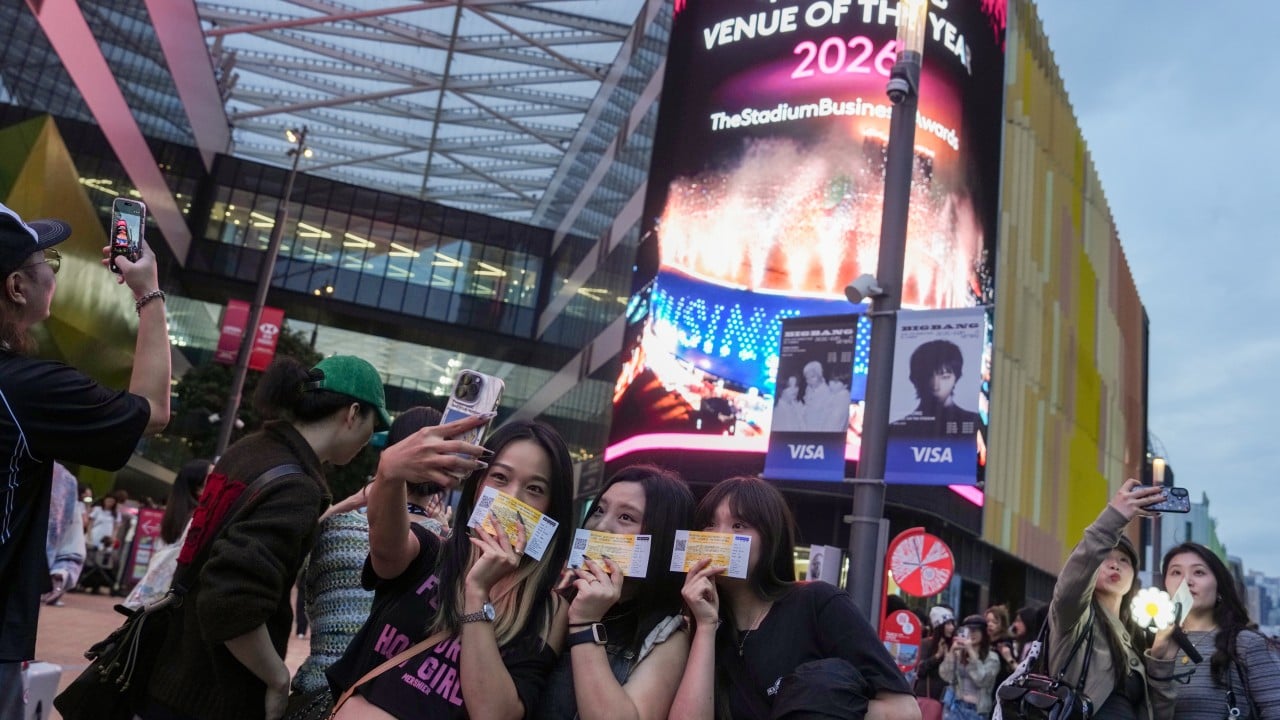
Two men sit in police custody in Hong Kong after allegedly peddling counterfeit tickets to BigBang concerts, and honestly, it shouldn't surprise anyone who has tried buying K-pop passes on the secondary market lately.
When one of South Korea's most iconic acts announces a stop in a major Asian hub, desperation sets in fast. Fans miss the official ticketing window, panic takes over, and suddenly an unverified seller on an encrypted messaging app or a local classifieds board looks like a lifesaver. That exact panic is what scammers bank on.
I've watched the live events industry grapple with ticketing fraud across Asia for years, and the pattern never really changes. Only the printing quality does. While the Hong Kong Police Force moved quickly to detain the two suspects involved in this specific BigBang operation, arresting a couple of street-level resellers won't stop the broader machine. If you're hunting for last-minute seats to a sold-out show, you need to understand how these counterfeit operations work, why physical tickets are becoming a massive liability, and how to protect your wallet before handing over cash.
How the Hong Kong BigBang Ticket Scam Operated
BigBang concerts are practically cultural events in Hong Kong. Whenever G-Dragon and his bandmates announce dates in the city, primary ticketing platforms crash within seconds, leaving tens of thousands of fans empty-handed.
In this case, Hong Kong authorities arrested two men suspected of obtaining money by deception after offloading fake passes for the group's shows. The mechanics of these local stings usually follow a predictable playbook. Scammers target desperate buyers through social media groups, Carousell listings, and Telegram channels, offering seats at a steep markup—or sometimes, suspiciously close to face value to trigger an impulse buy.
To make the transaction feel safe, fraudsters often insist on meeting face-to-face at busy MTR stations. They hand over what looks like a legitimate physical ticket complete with holographic foil, barcodes, and official venue branding. The buyer hands over thousands of Hong Kong dollars in cash, walks away thrilled, and doesn't realize they've been robbed until the turnstile scanner flashes red on concert night.
By the time the victim files a report, the burner phone number is dead and the social media profile has vanished. Police in Hong Kong have repeatedly warned residents about this exact bait-and-switch tactic, yet the sheer emotional pull of seeing a legacy K-pop act keeps people falling for it.
Why K-Pop Concerts Are Prime Targets for Counterfeiters
Not all concerts attract the same level of organized fraud. You rarely see sophisticated counterfeit rings printing fake passes for a mid-tier indie rock band. K-pop, however, is a completely different beast.
The economics behind K-pop touring create a perfect storm for scammers:
- Extreme supply and demand imbalances. Arenas in cities like Hong Kong, Seoul, and Tokyo hold anywhere from 10,000 to 50,000 people, while regional fanbases number in the millions.
- High emotional stakes. Fans travel across borders, book non-refundable flights, and reserve hotels months in advance. Once you've spent money on airfare, paying an inflated price to a stranger feels like a sunk-cost necessity.
- Cross-border confusion. Tourists flying into Hong Kong from mainland China, Taiwan, or Southeast Asia often don't know what an authentic local ticket from platforms like Cityline, HK Ticketing, or Urbtix actually looks or feels like.
Scammers exploit that unfamiliarity. If you've never held a genuine Cityline thermal-printed ticket in your hand, a high-resolution counterfeit printed on heavy cardstock looks completely convincing under the fluorescent lights of a subway concourse.
The Anatomy of a Modern Fake Concert Ticket
Forget the blurry, home-printer fakes from ten years ago. Today's ticket counterfeiters invest in commercial-grade printing gear because the payout from a single VIP floor pass easily covers their overhead.
When law enforcement seizes counterfeit concert stock in East Asia, investigators usually find passes that replicate almost every visual cue of the original. They mimic the perforated edges, the exact font weights, and even basic reflective strips. Some fraudsters go as far as buying one genuine ticket, scanning it at ultra-high resolution, and printing fifty duplicates with the exact same barcode.
That duplication trick is brutal. It means the ticket isn't technically "fake" in its data—the barcode is real. Whichever buyer arrives at the venue gates first gets scanned in. The other forty-nine people holding identical paper passes get turned away by security.
Even worse, some scammers use real ticket stock stolen from legitimate distribution points or altered from cheaper, less popular events. They chemically wash the ink off a cheap pass and reprint the BigBang seating details over the authentic security paper. Without specialized UV light or a keen eye for paper weight, spotting a washed ticket on the street is nearly impossible.
What Hong Kong Law Says About Ticket Fraud and Scalping
Hong Kong has a somewhat messy legal relationship with secondary ticketing, which only complicates things for fans trying to navigate the market safely.
Selling counterfeit tickets is unambiguously a serious crime. Under Hong Kong's Theft Ordinance, obtaining property by deception carries a maximum penalty of 10 years in prison. When police arrest suspects for passing fake BigBang tickets, they treat it as straight-up fraud, not a minor consumer dispute.
Reselling real tickets at a markup, however, sits in a frustrating gray area. The Places of Public Entertainment Ordinance technically prohibits unauthorized reselling of tickets at a price exceeding the official face value, with fines set at a paltry HK$2,000. That fine hasn't been updated in decades. For professional scalpers making tens of thousands of dollars per tour, a HK$2,000 fine isn't a deterrent—it's just a minor business tax.
Because the law fails to crush scalping at the source, massive grey markets thrive openly online. And wherever legitimate scalpers operate without regulation, counterfeiters blend right into the crowd.
How to Spot a Fake Ticket Before You Hand Over Cash
If you're determined to buy on the secondary market despite the risks, you need to stop acting like an excited fan and start thinking like a forensic auditor. Scammers rely on urgency and excitement to cloud your judgment.
Inspect the Paper and Print Quality
Legitimate tickets issued by major Hong Kong vendors use specific thermal printing processes. If you run your fingernail lightly across the black printed text on a genuine thermal ticket, it will often leave a faint dark streak due to the heat-sensitive coating. Counterfeits printed on standard inkjet or laser printers won't react that way.
Look closely at the micro-printing and borders. Authentic security stock has razor-sharp lines and consistent holographic patterns that shift smoothly when tilted. Fake holograms often look like flat silver stickers slapped onto the cardstock after printing.
Verify the Seller's Digital Footprint
Never trust a screenshot of a confirmation email. Anyone with basic browser inspection tools can alter an email receipt in thirty seconds to show whatever seat numbers and buyer names they want.
Instead, look at the seller's history:
- How old is their Carousell or social media account?
- Do they have verified reviews from previous, unrelated transactions?
- Are they pressuring you to pay via non-reversible methods like bank transfers, Alipay, or cash while refusing buyer-protected platforms?
- Do they claim to have "multiple pairs" in different sections? (A massive red flag for either a professional scalper or a bulk counterfeiter.)
Demand Proof of Purchase Live
If you meet a seller in person, ask them to log into their official ticketing account right in front of you on their phone. Have them pull up the active order history showing the exact seat numbers that match the physical ticket in your hand.
If they make excuses about "buying it for a friend" or "forgetting their password," walk away immediately. Keep your money in your pocket.
Why Digital Ticketing Isn't a Magic Bullet Either
Many fans assume that switching entirely to mobile QR codes eliminates fraud. It doesn't. It just changes how scammers steal from you.
In markets shifting toward digital-only entry, fraudsters simply sell screenshots of dynamic QR codes that refresh every 30 seconds, rendering the screenshot useless at the gate. Others use phishing links disguised as official ticket transfer portals to steal your login credentials and drain your account of legitimate passes.
Some event organizers in Asia have started implementing strict real-name registration systems, tying every ticket directly to a government ID or passport number. While fans complain about the hassle and privacy concerns, real-name policies remain the only proven way to kill both scalping and counterfeiting overnight. If a ticket can't be transferred without matching the buyer's passport at the door, the secondary market collapses instantly.
Practical Steps If You Already Bought a Suspect Ticket
If you recently bought BigBang tickets from an unofficial source in Hong Kong and you're suddenly feeling uneasy about that police report, don't wait until showtime to find out if you got burned.
- Contact the official ticketing agency immediately. Give them the serial number or order reference printed on your pass. While they won't always verify third-party purchases, customer service can sometimes confirm whether a specific serial format even exists for that venue.
- Gather every scrap of evidence. Screenshot your chat logs, save the seller's phone numbers, record the bank account details you transferred funds to, and note the exact time and location of any in-person meetup (MTR stations have extensive CCTV coverage that police can pull).
- Report suspected fraud to the Hong Kong Police Force. You can file an electronic report through the e-Report Centre or visit a local station. If you paid via bank transfer or FPS, notify your bank immediately to flag the receiving account—sometimes fraud teams can freeze funds before the criminal clears them out.
Never buy concert tickets out of sheer FOMO from an unverified stranger on the internet. Stick to official primary releases, use authorized fan-to-fan resale exchanges when available, and accept that missing a show beats losing thousands of dollars to a guy holding a stack of fake cardstock outside a subway exit.



