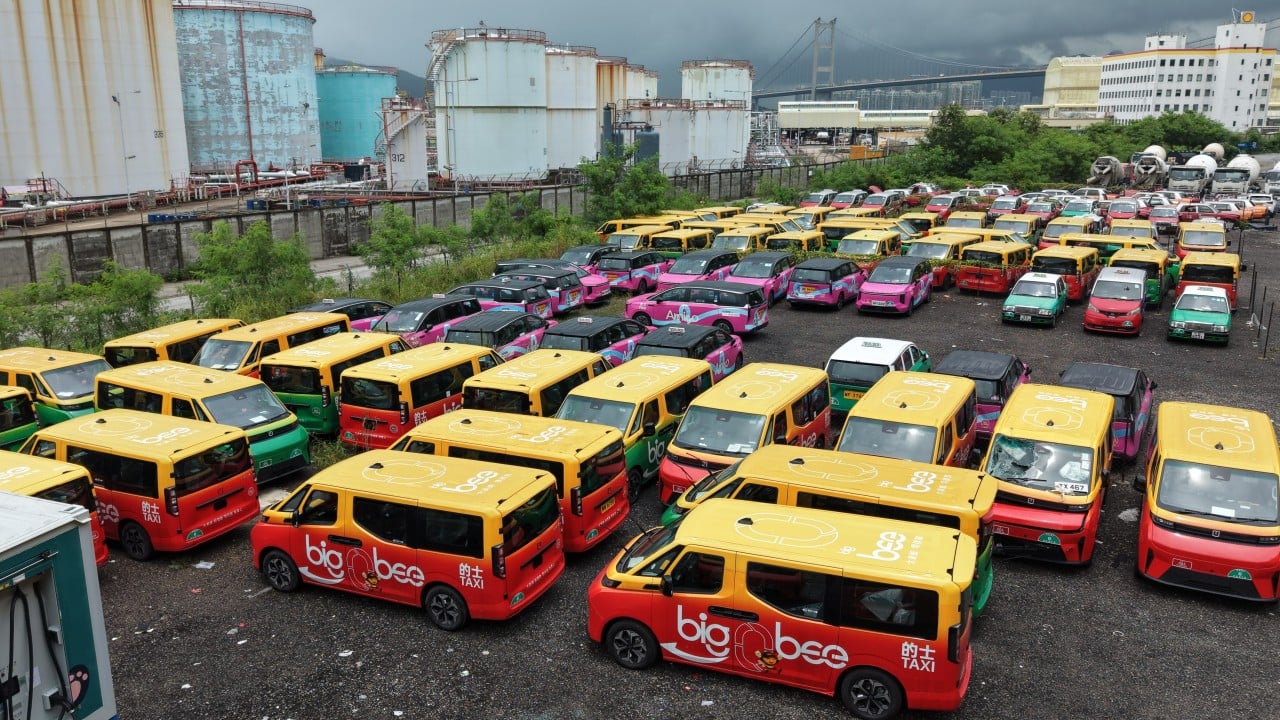
Hong Kong residents wanted better cabs. They got a severe labor shortage instead.
When the government rolled out five licensed premium taxi fleets to modernize the city's tarnished transport reputation, the goals looked promising. Officials envisioned thousands of sleek, app-booked vehicles providing reliable, high-end service. Reality hit hard. Right now, only about 2,000 fleet taxis and roughly 2,400 drivers are actively on the road. That figure falls 43 percent short of initial targets.
Drivers are staying away. Why? Strict regulations, rigid operating rules, and high rental costs make traditional cab driving look much more appealing to many local workers. Fleet operators face massive pressure. Transport Commissioner Winnie Tse recently stated that these companies must work harder to recruit staff. Meanwhile, legislative figures point out that drivers feel weighed down by excessive penalties and administrative red tape.
Fixing this mess requires looking past the surface. Let's break down what is actually happening behind the wheel in Hong Kong.
The Real Hurdle is Driver Retention, Not Just Recruitment
Getting people through the door is only half the battle. Keeping them there is where the system cracks.
Traditional Hong Kong cabbies operate under a high-degree-of-freedom model. They rent a vehicle by the shift, pocket their cash fares, and answer to nobody. Premium fleets change that dynamic entirely. Operators enforce strict service standards, digital payment compliance, and structured performance metrics. Many veteran drivers hate the oversight.
Compounding the problem, local banks have grown wary of the city's embattled transport sector. Securing vehicle loans to expand electric taxi fleets has become a grueling ordeal for operators. Without easy financing, scaling up the vehicle count stalls out.
Private operators are scrambling for solutions. For instance, Joie Taxi introduced hourly wages alongside unique perks like vehicle charging discounts, parking subsidies, safety bonuses, and training packages. They even set up licensing subsidies to help outsiders obtain proper credentials. That strategy paid off partially, pushing their active fleet to about 75 percent of its target. Other companies need to take notes.
Government Intervention and Infrastructure Gaps
The government isn't just standing by. Authorities have organized more than 20 job fairs, pulling in over 100 new drivers. They also designated 16 specialized stopping places at high-traffic zones like the airport, boundary control points, and the new Huanggang Port.
Yet, infrastructure lags behind ambition. Electric fleet vehicles require reliable charging stations. While over 160 charging service points now exist across the territory, drivers still complain about availability and charging wait times during peak hours. When a driver loses working hours waiting for a charger, they lose money.
Lawmakers are banking on structural market resets to clear out unfair competition. Upcoming crackdowns on illegal ride-hailing services and upcoming caps on compliant licenses aim to restore order. Transport panel chairman Ben Chan Han-pan argues that eliminating unlicensed operators is the foundational step needed to stabilize the entire industry.
Critics remain skeptical. Veteran illegal operators know how to evade enforcement. Some industry watchers warn that relying solely on police crackdowns won't fix the underlying labor shortage.
What Needs to Happen Next
If these premium fleets want to survive, they have to stop acting like traditional taxi syndicates wrapped in modern branding.
Operators must offer genuine financial incentives that compete with other gig economy jobs. Hourly pay models, medical benefits, and lower vehicle rental overhead make a massive difference. The government must also speed up charging infrastructure rollout so drivers aren't wasting prime earning hours plugged into a wall.
Hotels and tourism boards are stepping up to encourage visitors and locals to use the fleets. That demand helps, but drivers won't show up for passenger volume if the daily working conditions remain frustrating.
The ambition to upgrade Hong Kong transit is solid. The execution needs a complete rethink. Clean cars and mobile apps mean nothing if nobody is sitting in the driver's seat.