The London Delusion
Western diplomats are gathered in London again. They are drawing lines on maps. They are "outlining security plans" for the Strait of Hormuz. They speak of maritime stability, freedom of navigation, and the sanctity of global trade. It sounds sophisticated. It sounds responsible.
It is actually a fantasy.
The UK and France are operating on a 20th-century playbook in a 21st-century chokepoint. The consensus—that more frigates and "coordinated surveillance" will deter regional escalations—is not just lazy; it’s dangerous. I have spent years analyzing energy transit corridors, and the reality is that naval presence in the Strait is often the very catalyst for the volatility it claims to prevent.
We aren't protecting the flow of oil. We are subsidizing the insurance premiums of private shipping giants with taxpayer-funded hardware that is effectively a sitting duck for asymmetric warfare.
The Mathematical Absurdity of Escort Operations
The Strait of Hormuz is roughly 21 miles wide at its narrowest point. The shipping lanes themselves are only two miles wide. If you want to understand why a European naval task force is a drop of water in an ocean of risk, look at the volume.
Roughly 20 million barrels of oil pass through here daily. That’s roughly 20% of global consumption. The "plan" discussed in London suggests that a handful of UK Type 45 destroyers or French FREMM frigates can provide a "security umbrella."
Let’s run the numbers. At any given time, there are hundreds of tankers, bulk carriers, and container ships in or near the Gulf. You cannot escort them all. When you choose to escort a select few, you turn the unescorted vessels into high-value targets for harassment. It is a logic trap. By increasing the military footprint, you provide more targets for "grey zone" tactics—limpet mines, swarm boat harassment, and drone strikes—that a billion-dollar destroyer is fundamentally unequipped to stop without sparking a full-scale war.
Stop Asking if the Strait is Safe
The media and the London talks focus on one question: "How do we keep the Strait open?"
This is the wrong question.
The real question is: "Why are we still pretending the physical security of the Strait is the primary driver of oil prices?"
The market has already "priced in" the perpetual threat of a Hormuz closure. Since the "Tanker War" of the 1980s, the global energy infrastructure has adapted. We have the East-West Pipeline in Saudi Arabia and the Habshan–Fujairah pipeline in the UAE. These aren't just backups; they are the structural reality that makes the "Hormuz is our jugular" argument obsolete.
When the UK and France beat the drum of naval intervention, they aren't protecting the supply. They are performing for the cameras to maintain a veneer of global relevance.
The Asymmetric Nightmare
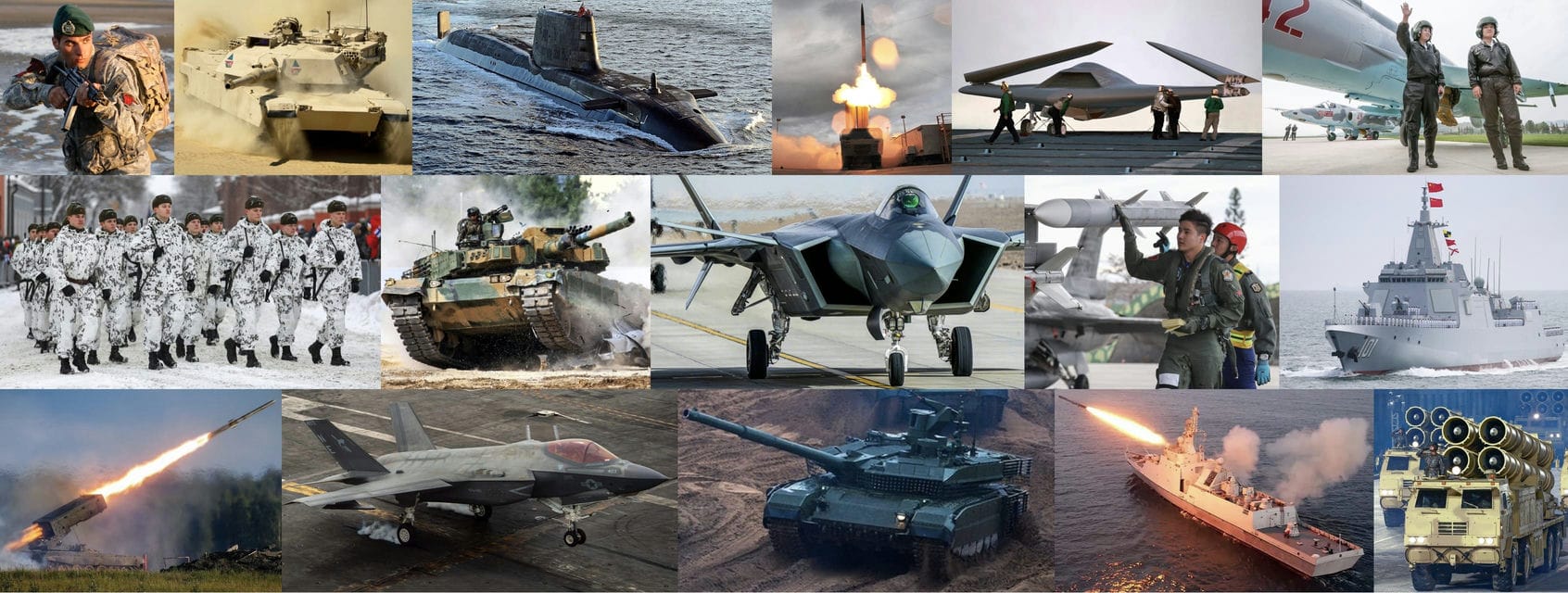
Modern naval doctrine is obsessed with "peer-to-peer" conflict. We build ships to fight other ships. But in the Strait, the threat isn't a rival fleet. It is a $50,000 suicide drone or a $2,000 underwater IED.
The Cost-Exchange Ratio
- UK Type 45 Destroyer Cost: ~$1.3 billion.
- Sea Viper Missile Cost: ~$1.5 million per shot.
- Target: A $20,000 "loitering munition."
You don’t need a PhD in economics to see the finish line here. We are burning through high-end munitions to swat flies. This isn't security; it's a war of attrition where the West loses by participating. The London talks ignore this cost-exchange ratio because acknowledging it would mean admitting that our expensive naval assets are liabilities in confined waters.
The Sovereignty Trap
France and the UK love to talk about "European-led" missions to distance themselves from US-led initiatives like Operation Prosperity Guardian. They think this nuance buys them safety. It doesn't.
To a regional actor looking to exert pressure, a European flag is just as good a target as an American one. There is no such thing as "neutral" military patrolling in the most contested waters on earth. By creating a separate European outline for security, London and Paris are actually fragmenting the command-and-control structure, making accidents and "friendly fire" incidents more likely.
Why We Should Let the Market Bleed
The uncomfortable truth? If a shipping company wants to sail through a known conflict zone, they should pay for their own private security or bear the cost of the risk.
Currently, the Royal Navy and the French Navy act as a free global police force for private corporations. This creates a massive "moral hazard." Shipping companies don't innovate or reroute because they know the taxpayer will send a destroyer to hold their hand.
Imagine a scenario where the UK and France pulled back.
- Insurance premiums would skyrocket.
- Investment in bypass pipelines would triple overnight.
- The regional powers would be forced to negotiate.
Why? Because Saudi Arabia, Iraq, and Kuwait need to export that oil more than we need to buy it. By stepping in, we relieve the regional players of the responsibility to maintain peace in their own backyard. We are the "enablers" in a dysfunctional relationship.
The Myth of the "Closing"
People often ask: "What happens if they actually close the Strait?"
The "London consensus" assumes this would lead to a global collapse. It wouldn't. Closing the Strait is an act of economic suicide for the person closing it. It isn't a light switch; it’s a suicide vest. You can only use it once, and it kills you too.
The persistent focus on "security plans" treats a diplomatic and economic problem as a tactical naval problem. It's like trying to fix a software bug with a hammer.
The Actionable Pivot
We need to stop pretending that more hulls in the water equal more safety. If the UK and France actually wanted to secure energy interests, they would stop spending millions on "Hormuz outlines" and start spending them on:
- Strategic Autonomy: Hard investments in domestic energy storage that make 20-day transit disruptions a non-event.
- Hardened Infrastructure: Subsidizing the expansion of pipelines that bypass the Strait entirely.
- Asymmetric Defense: Moving away from fragile, multi-billion dollar platforms toward drone-based surveillance and defense that mirrors the threat.
The Professional Price of Honesty
This perspective isn't popular in the halls of the Ministry of Defence or the Quai d'Orsay. It isn't popular because it renders the "Great Power" posturing of the UK and France irrelevant. It's much sexier to talk about "projecting power" than it is to admit that a frigate in a narrow strait is just an expensive target.
We are watching a performance. The London talks are the theater of the status quo. They offer the illusion of control in a region where we have none.
Stop buying the narrative that naval patrols keep your gas prices down. They don't. They just keep the defense contractors in business and the diplomats in expensive hotels. The real security plan for Hormuz is to stop needing Hormuz.
The ships are just there to watch the inevitable happen.