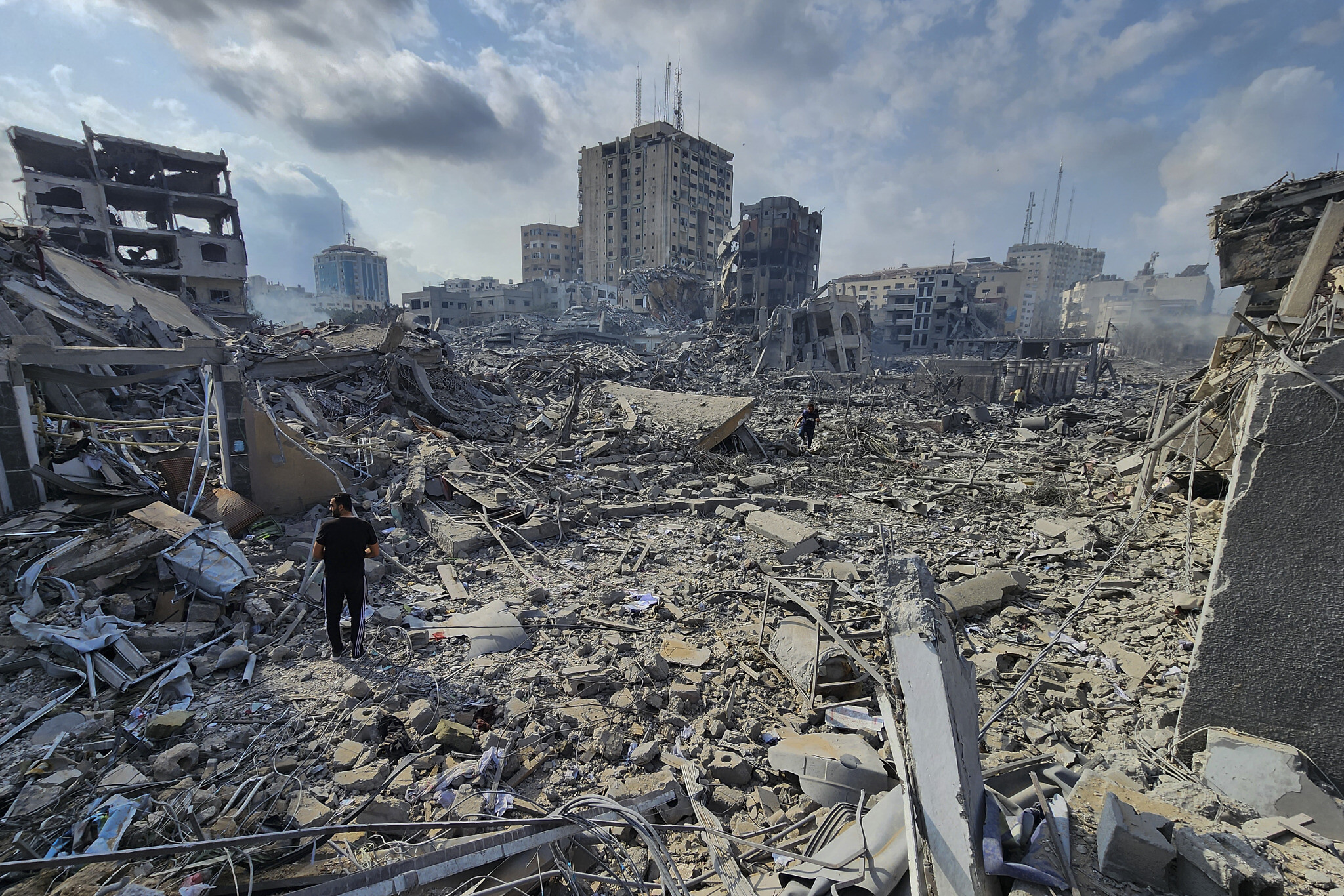
The Middle East is watching a dangerous threshold get crossed in real time. For years, the war in Yemen felt like a localized tragedy contained within fragile frontlines and fractured ceasefires. But when Houthi forces launched ballistic missiles targeting Aden’s primary civilian airport alongside cross-border volleys intercepted directly over Riyadh, the conflict shattered those geographic containment walls. You cannot look at these events as isolated skirmishes anymore. They represent a fundamental recalibration of power across the Arabian Peninsula.
If you are trying to understand why Saudi air defences are working overtime and why regional commanders are suddenly being dismissed, you have to look past the breaking news headlines. The real story isn't just about intercepted hardware. It's about a emboldened militant movement rewriting the rules of engagement while traditional security architectures scramble to adapt.
The Ground Shift Beneath Aden and the Bab al-Mandab
To understand why the skies over Riyadh are jittery, you have to look at what's happening on the ground in Yemen. Government-aligned forces recently executed a tactical retreat from strategic positions near the Bab al-Mandab Strait, pulling back to fortify defences around the temporary capital of Aden. Houthi fighters pushed aggressively northward, closing to within sixty kilometres of Aden after seizing crucial territory in Lahj province.
This isn't a minor border dispute. The Bab al-Mandab Strait handles a massive share of global maritime commerce, and any power projecting force over this chokepoint holds economic leverage that reaches straight into European and Asian markets. When the internationally recognized government cedes ground, the Houthis gain the logistical depth needed to stage more complex operations.
That momentum directly fueled the repeated missile strikes on Aden airport. By crippling vital southern infrastructure, the group aims to isolate Yemen's leadership entirely, cutting off the few remaining lifelines connecting the interim capital to the outside world. Transport ministries and local authorities have repeatedly sounded alarms about civil aviation safety, but warnings mean little when the underlying military balance is tilting so violently.
Why Saudi Air Defences Are Facing an Unprecedented Test
Crossing international borders to strike the Saudi capital changes the diplomatic and strategic calculus entirely. Riyadh features some of the most advanced anti-missile architecture in the world, anchored by heavy stockpiles of Patriot interceptors. Yet, the sheer volume and persistence of incoming ballistic missiles and low-flying drones have exposed the exhausting economics of modern air defense.
It's a brutal math problem. Firing multi-million-dollar interceptors at low-cost, mass-produced drones or modified ballistic missiles is unsustainable over the long haul. That structural vulnerability explains why King Salman recently removed the senior commander overseeing coalition forces in Yemen. Frustration is mounting inside Riyadh's command rooms as high-profile symbols of national integration—including international airports and financial hubs—repeatedly find themselves in the crosshairs.
US military advisors and CENTCOM planners are stepping into a deeply volatile environment. The regional chessboard now connects the skies of Riyadh and Medina directly to wider tensions involving Iran's network of regional allies. When a drone or missile breaches airspace near holy sites or financial centers, it forces a domestic political reaction that the Saudi leadership cannot ignore.
What Comes Next for Regional Security
The illusion that the Yemen conflict can be neatly quarantined is gone. As long as the Houthis feel militarily empowered and backed by external supply chains, they will continue to test the limits of regional deterrence. Riyadh faces a narrow window to recalibrate its military strategy, mend fractures among domestic anti-Houthi allies, and secure its southern flank before the strategic initiative slips further away.
Watch the maritime corridors and the shifting frontlines around Lahj and Taiz over the coming weeks. That is where the actual outcome of this escalation will be decided, long before any new missiles ever light up the night sky over the capital.