You've bought event tickets online a million times. You pick your seats, reach the final checkout page, and stare in disbelief at an arbitrary service fee tacked onto every single seat. That extra cash usually vanishes into the pockets of corporate shareholders or venture capital funds.
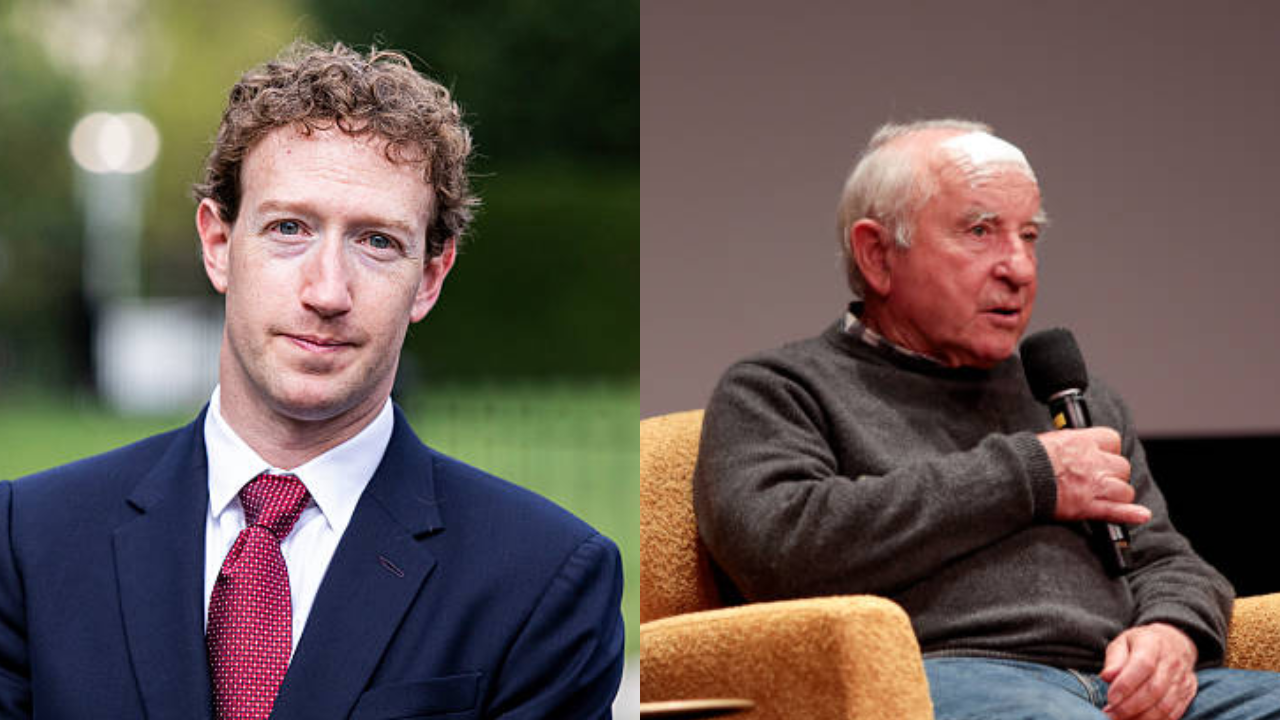
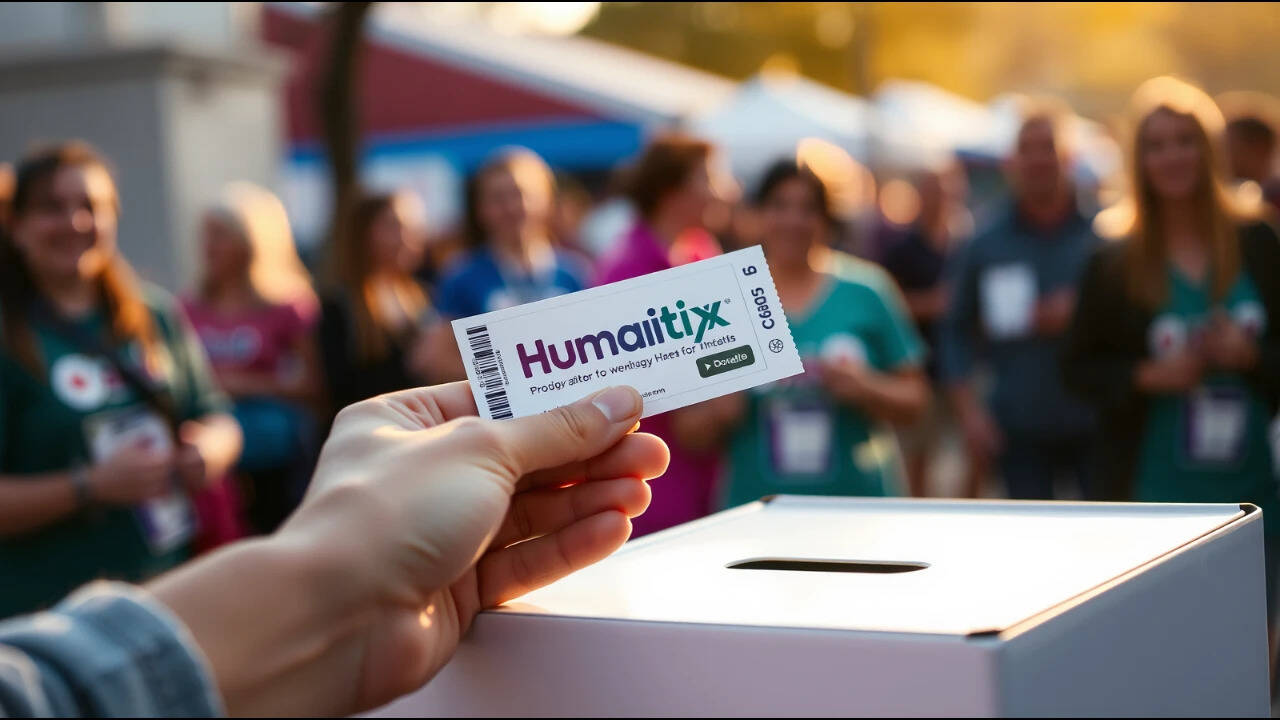
Humanitix operates entirely differently. As a non-profit ticketing platform, it directs every cent of booking fee profits straight toward charity. When actor Hugh Jackman stepped in as Head of Impact, the platform gained serious mainstream leverage.
Ticketing monopolies have long treated service charges as free money. This partnership challenges that broken status quo.
Breaking Down the Non-Profit Booking Model
Most event organizers accept high booking fees as an unavoidable cost of doing business. Major platforms extract massive margins from consumer transactions, leaving event hosts with fewer resources and attendees feeling fleeced.
Humanitix flips that mechanic completely upside down. Founded in Australia by Adam McCurdie and Joshua Ross, the platform channels 100 percent of its booking fee profits into global social impact programs.
The math is simple. Instead of padding a corporate balance sheet, your service fees fund education initiatives, healthcare access, and poverty alleviation programs. Over time, these transactions add up. The platform has already funneled over thirteen million dollars in profits directly to charity partners.
Why Hugh Jackman Stpped Into the Head of Impact Role
Celebrity endorsements often feel hollow. A famous face signs on for a paycheck, shoots a quick promotional video, and moves on to the next commercial deal.
Jackman's involvement with Humanitix cuts deeper. Stepping into a voluntary Head of Impact position, his stated goal is to help scale the platform's donation footprint toward one hundred million dollars over the next five years. Having spent years backing social enterprises, he understands that scaling a non-profit requires serious corporate muscle to compete with entrenched industry giants.
By lending his voice and global profile to the brand, Jackman gives non-profit ticketing the cultural weight it needs to break into major entertainment markets across the United States and the United Kingdom. Event organizers who normally default to legacy ticketing software now have a concrete reason to switch.
Where the Money Actually Goes
Transparency makes or breaks social enterprises. Consumers are tired of vague corporate philanthropy claims that offer zero accountability.
Humanitix publishes detailed breakdowns of its funding allocations. The bulk of its distributed profits target two major areas:
- Poverty Alleviation: Directing funds to high-impact programs that lift vulnerable populations out of extreme poverty.
- Education: Closing global literacy and schooling gaps, ensuring that children in disadvantaged regions stay in school.
- Healthcare & Indigenous Support: Funding medical access, community mental health services, and initiatives supporting historically marginalized groups.
Partnering with rigorous evaluators like The Life You Can Save ensures that every dollar reaches organizations that deliver measurable, life-changing results.
How Event Organizers Can Make the Switch
If you host events—ranging from local community fundraisers to major music festivals—sticking with legacy ticketing apps means you are quietly funding corporate dividends instead of social good.
Moving your next event to Humanitix costs nothing extra for hosts. The platform offers a complete suite of event management tools while ensuring your attendees' booking fees turn into real-world impact. Check out their host portal, migrate your next ticketing setup, and let your everyday events fund a better future.