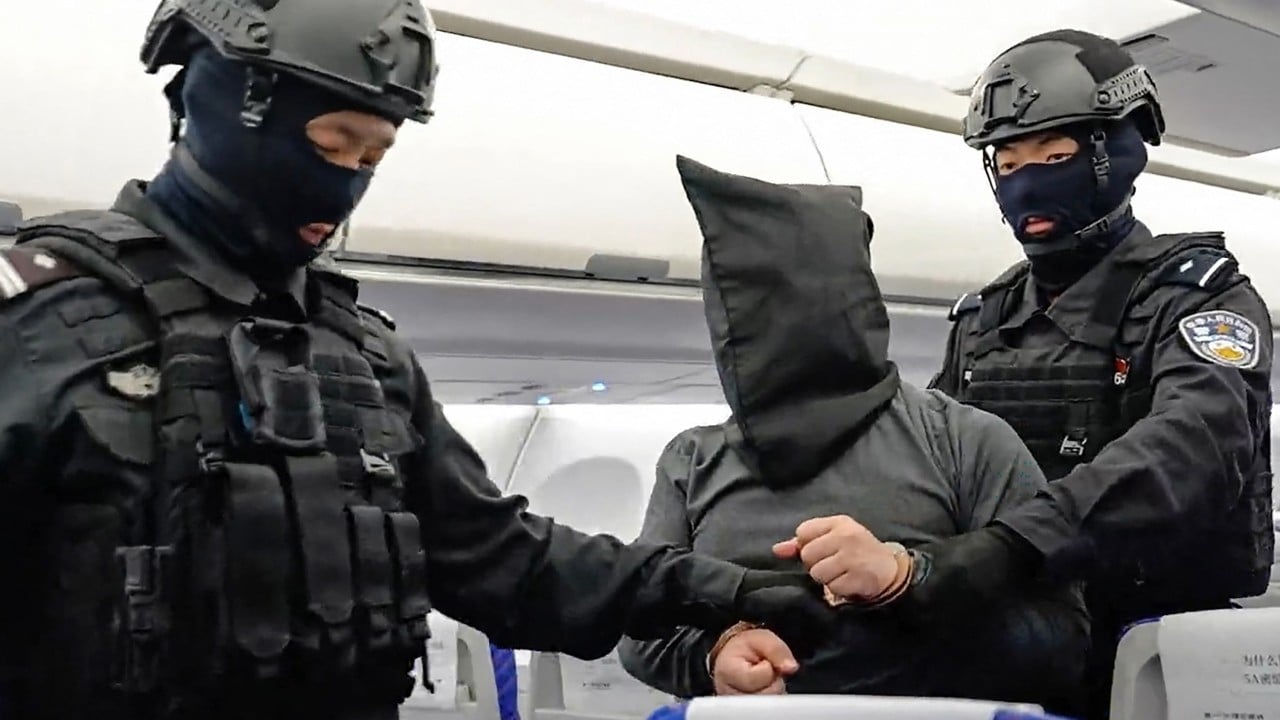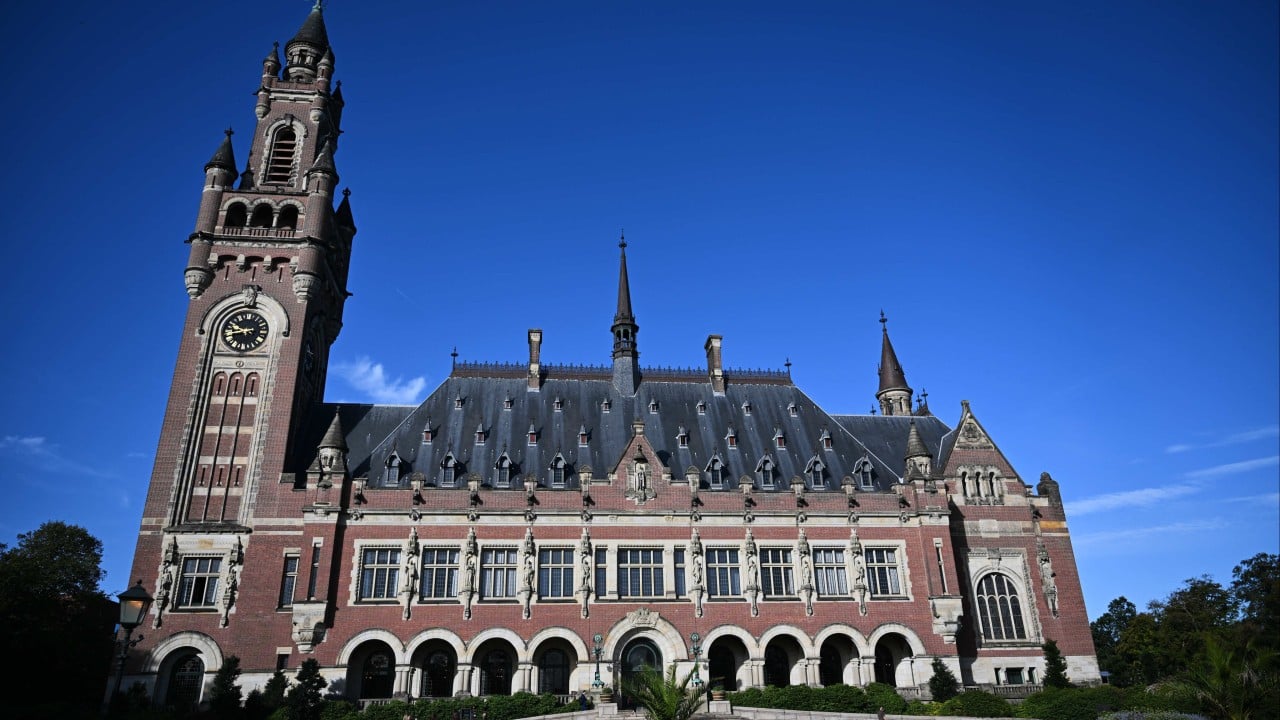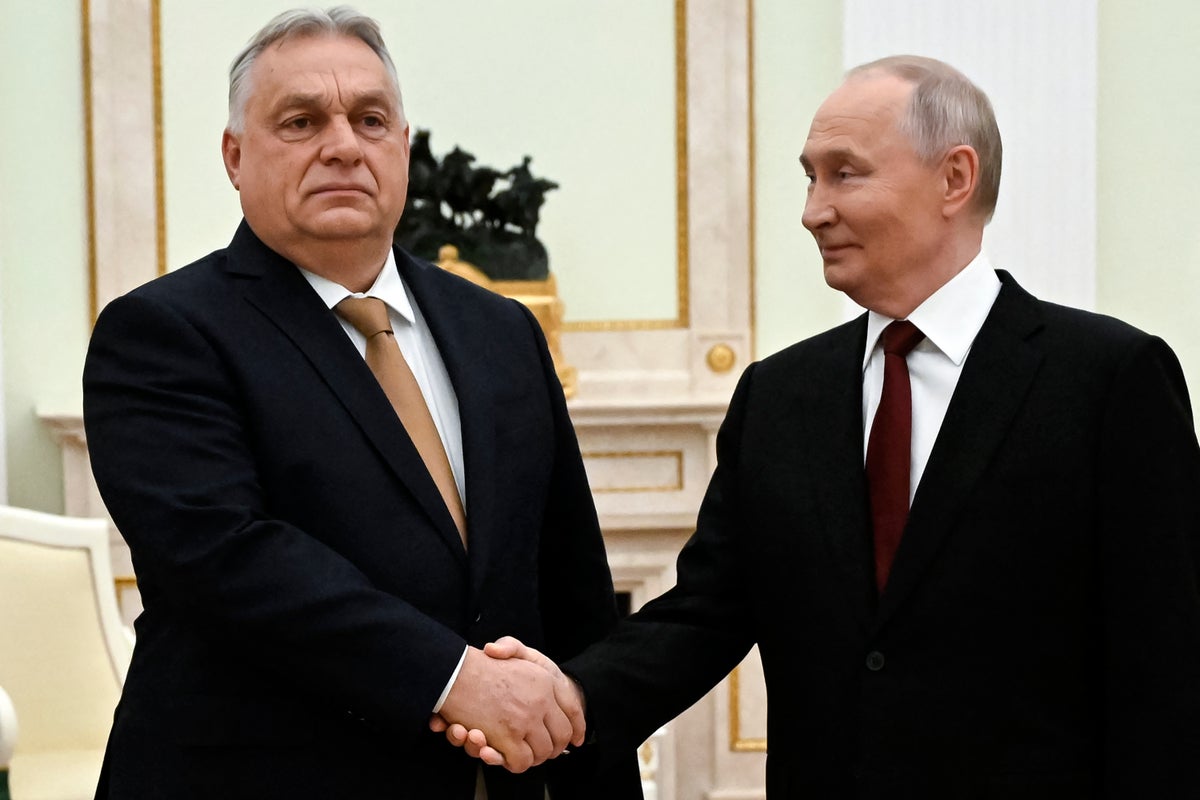
Western foreign desks spent the week hyperventilating over Budapest. The headlines read like a geopolitical thriller written by an intern with a poli-sci minor. Hungary kicks out Russian intelligence assets disguised as diplomats, Moscow threatens retaliation, and the commentariat declares that Viktor Orban has finally broken ranks with the Kremlin.
It is a fairy tale for people who prefer comforting narratives over the messy mechanics of statecraft. If you enjoyed this piece, you might want to read: this related article.
If you believe Orban suddenly grew a spine and joined the Western crusade for democratic sovereignty, I have a bridge over the Danube to sell you. The lazy consensus in foreign policy circles treats diplomatic expulsions as ideological declarations. They are not. They are bureaucratic pressure valves.
Let us look at what actually happened behind the polished oak doors of foreign ministries. Hungary did not expel Russian operatives because Budapest suddenly found religion on Eastern European security. They did it because the domestic cost of looking the other way finally outweighed the transactional benefits of turning a blind eye. Intelligence hubs in Central Europe operate on a delicate, unspoken ledger of quotas and compromises. When a station chief steps too far out of bounds, host governments do not send a message to Moscow about human rights; they send a message about operational hygiene. You burned your cover, you pushed the envelope too far, and now we need to clear the spreadsheet so we can keep doing business next Tuesday. For another perspective on this development, check out the recent update from BBC News.
The lazy narrative misses the structural reality of the Hungarian-Russian relationship. Orban has spent a decade building an illiberal masterclass in transactional sovereignty. He uses Moscow as leverage against Brussels just as effectively as he uses Brussels to extract concessions from Moscow. Treating his administration as either a Trojan horse for the Kremlin or a newly converted champion of the Atlantic alliance demonstrates a fundamental misunderstanding of how transactional authoritarians operate. They do not have allies; they have momentary price points.
When Moscow threatens retaliation for these expulsions, the media treats it as an escalation toward a break in ties. Watch the actual trade data, not the diplomatic theater. Energy flows continue. Financial pipelines adapt. Intelligence channels shift from open embassies to third-country backchannels. The theater of expulsion is designed precisely so that both sides can look tough to their respective domestic audiences while changing none of the underlying fundamentals.
I have watched diplomats play this exact game in capitals from Vienna to Ankara. A scandal breaks, a few passport numbers are quietly exchanged, angry communiqués are drafted by mid-level bureaucrats who went to the same universities, and the ambassadors dine together six months later at a quiet estate outside the city limits. The system is designed to absorb friction, not generate permanent fractures.
The real story here is not that Hungary is pivoting West. The real story is how brittle European security architecture has become when a routine counter-intelligence housekeeping measure is treated like the eve of a continental war. When every minor bureaucratic adjustment is inflated into a geopolitical earthquake, it exposes a deep-seated panic in Western capitals. They are desperately searching for signs of unity where there is only pragmatic, cold-blooded self-interest.
Stop reading the communiqués. Look at the balance sheets. Hungary remains what it has always been under Orban: fiercely, cynically independent, loyal only to the preservation of its own domestic patronage networks. Putin knows this. Brussels knows this.
The only people who do not know it are the ones writing the headlines.