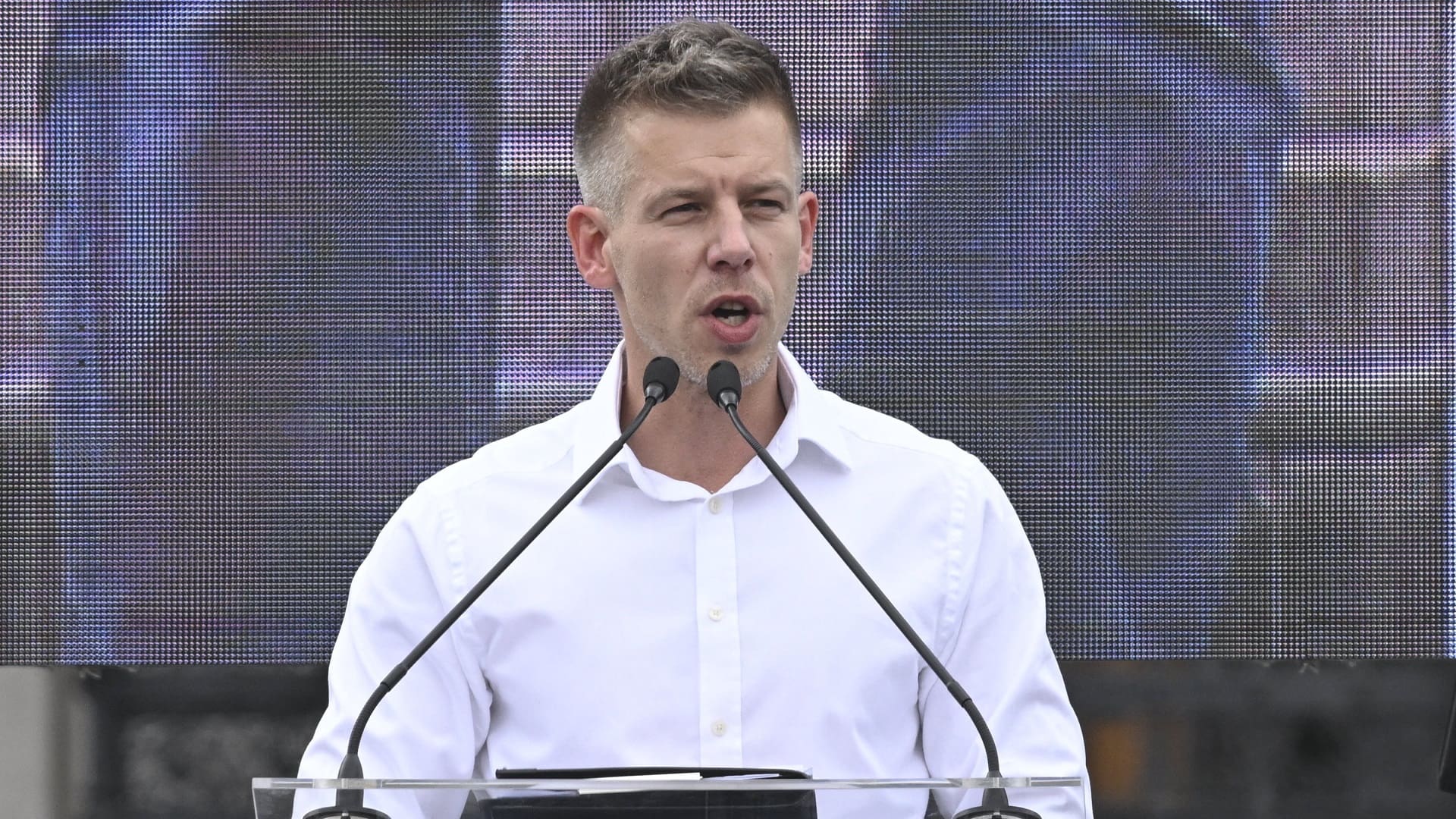
The political shift in Hungary isn't just about changing names on office doors. It's about what's happening to the paper trail left behind by the outgoing Fidesz administration. Prime Minister-elect Péter Magyar has sounded the alarm, alleging that key government officials are actively destroying records before his new administration can take control.
Think about that for a second. If you're a voter, you expect a transition to involve handing over keys and access codes. You don't expect a frantic race to the shredder. Magyar’s accusations specifically target the Ministry of Foreign Affairs and the Ministry of Defence, claiming that files related to sensitive issues—including Russia sanctions—are being wiped clean.
This isn't just bureaucratic drama. It’s a direct attempt to obscure the past.
The Paper Trail and Why It Matters
Magyar has been vocal about his intentions to "clean house" after his decisive electoral victory. He’s promised a departure from the previous government's policies, especially regarding the European Union and Russia. But he can't fix what he can't see.
When an outgoing government shreds documents, it’s rarely because they’re cleaning out old files to make room for new ones. It’s an exercise in evasion. If these allegations hold water, it suggests the previous regime is worried about what a transparent audit would reveal.
Magyar’s team needs to know exactly what kind of deals were struck in secret. They need the communication logs with Moscow and the specifics of how EU funds were handled. By destroying these records, the outgoing officials aren't just protecting themselves; they're handicapping the incoming government's ability to govern effectively.
The Context of the Purge
Let’s be clear. This isn't happening in a vacuum. The Orbán years were defined by a centralization of power that many observers, including Reporters Without Borders, have criticized for years. Controlling the state media, pressuring the judiciary, and fostering a patronage network were the hallmarks of that era.
Magyar, who rose to prominence by exposing high-level corruption within the system he was once part of, knows exactly where the bodies are buried. He’s already called for the resignation of top officials, including President Tamás Sulyok. He views these institutions as extensions of the old regime, not independent pillars of the state.
The accusation of document destruction adds another layer of tension to this transition. It’s a classic move from the playbook of authoritarian regimes facing an exit. They want to bury the evidence of their tenure before someone else gets the chance to dig it up.
What Happens to the Truth
If the files are gone, they're gone. That’s the reality. It makes the job of any future investigative committee or audit body significantly harder. You can't prosecute what you can't document.
However, Magyar is making a calculated move by putting this in the public eye. By calling out the shredding as it happens, he's creating a digital and public record of the attempt to hide information. It’s a form of political pressure. He’s signaling to the outgoing officials that their actions are being watched, and he’s signaling to the public that his government won’t be starting from a clean slate—it will be starting from a crime scene.
Taking Action in the Aftermath
If you're following this situation, here's how to think about what comes next:
- Look for the Paper Trail of the Destruction. Sometimes the most damning evidence isn't what’s on the paper, but the proof that the paper was destroyed. Digital backups, logs of server wipes, and eyewitness testimony from ministry staff will become the new currency of this investigation.
- Watch the EU’s Response. Brussels is desperate to unlock frozen funds and restore normal relations. They need a partner in Budapest they can trust. If Magyar can prove that the previous government was actively working against the state's interests by destroying public records, he gains significant leverage in those negotiations.
- The Role of Whistleblowers. We’ve already seen how internal leaks fueled Magyar's rise. Keep an eye on civil servants within these ministries. Those who feel uncomfortable with the destruction might be the ones to leak what remains.
This transition is far from standard. It’s a fight for the historical record of Hungary’s recent past. If the outgoing government thinks they can simply shred their way to anonymity, they're likely mistaken. The new administration is betting that the truth has a way of outlasting even the most efficient shredder.