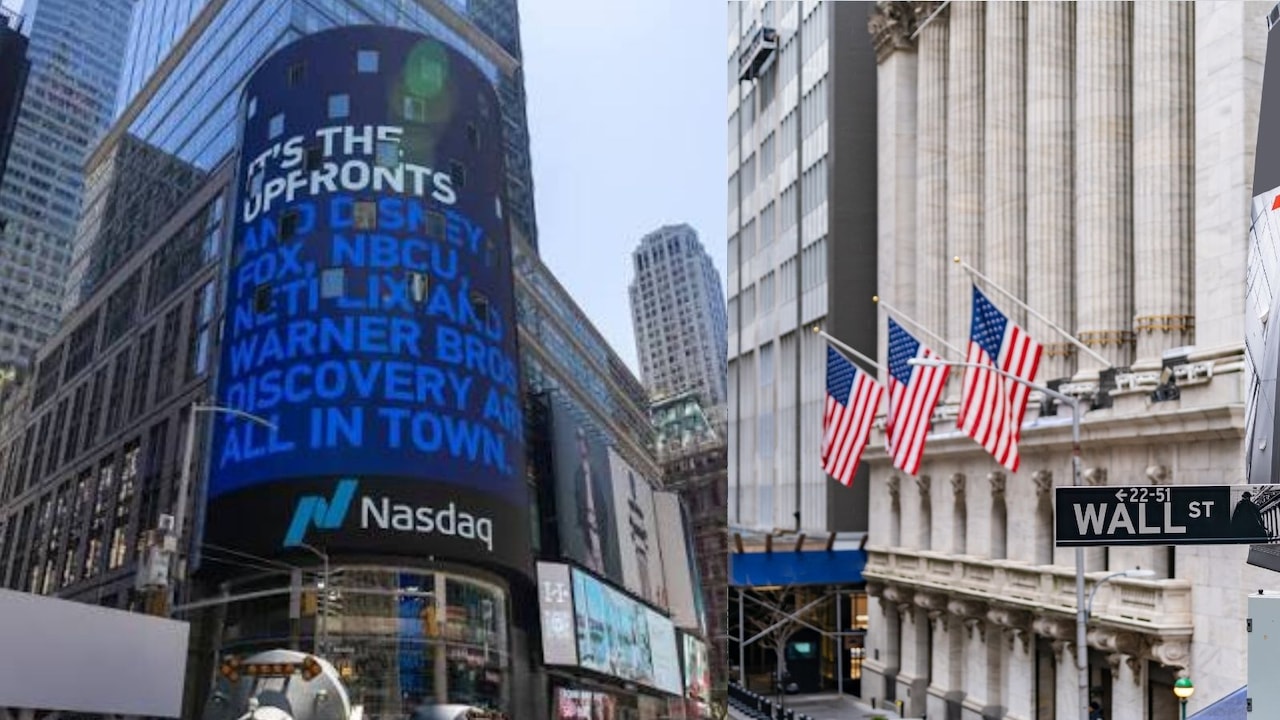
Central Hong Kong used to be non-negotiable for corporate law firms. If you didn't have a prestigious postcode in Exchange Square, Landmark, or Chater House, clients wondered if your practice was struggling. That rigid mindset is dead.
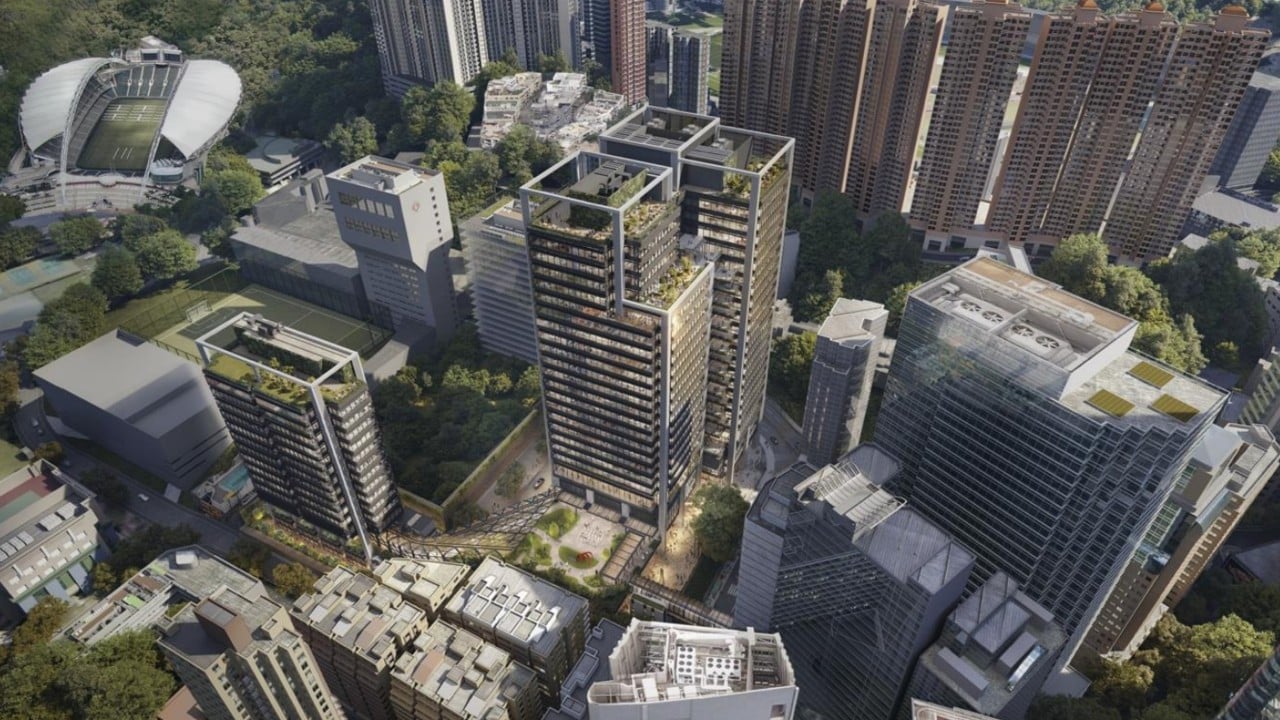
Hysan Development's Lee Garden Eight project in Causeway Bay is actively drawing legal tenants out of Central, proving that Hong Kong's commercial office geography is undergoing a massive, permanent reset. For decades, international and local law firms paid exorbitant rents just to sit within a ten-minute walk of the High Court and major investment banks. Today, managing partners are looking at their balance sheets, realizing that paying a 40% to 50% rent premium for a Central address makes zero financial sense when Causeway Bay offers brand-new, Grade-A infrastructure just a few MTR stops away.
The Economics Behind the Causeway Bay Shift
Commercial real estate in Hong Kong has been brutal on landlords since 2020, and the numbers tell the story clearly. Grade-A office vacancy rates across Hong Kong Island hit multi-decade highs, pushing landlords into a fierce battle for creditworthy tenants. Law firms are the ultimate prize in this market. They sign long leases, rarely default, and build out expensive, permanent interiors.
Central landlords held onto high asking rents for far too long, betting that prestige would keep white-shoe firms locked in. They miscalculated. When your lease renewal comes up and you're staring at triple-digit rents per square foot in an aging 1980s tower, moving east stops looking like a compromise and starts looking like basic fiduciary responsibility.
Causeway Bay isn't some backwater submarket anymore. Hysan Development, alongside its joint venture partner Chinachem Group, poured billions into the Caroline Hill Road site to create Lee Garden Eight. This isn't just another glass box. The development spans over one million square feet of commercial space, complete with massive floor plates that older Central buildings simply cannot match.
Why Floor Plates Matter More Than Postcodes
If you've ever worked inside an older Central skyscraper, you know the layout headaches. Narrow floor plates, awkward structural columns, and cramped elevator banks force firms to split practice groups across four or five disconnected floors. Partners end up separated from associates, and internal communication slows to a crawl.
Lee Garden Eight solves this immediately. Large, contiguous floor plates allow a mid-sized or large law firm to consolidate onto one or two sprawling levels. You get better natural light, modern HVAC systems, and ESG certifications that global clients now demand before signing off on outside counsel. Honestly, trying to retrofit a 35-year-old tower in Central to meet modern green building standards is a nightmare, and tenants are tired of paying top dollar for outdated mechanical systems.
What Hysan Actually Built at Lee Garden Eight
To understand why legal tenants are packing their boxes, you have to look at the physical connectivity Hysan engineered into the Lee Garden hub. Historically, the biggest knock against Caroline Hill Road was the walk from the Causeway Bay MTR station, especially during Hong Kong's brutal, humid summers or typhoon season.
Hysan eliminated that friction. They constructed an extensive, weather-protected pedestrian walkway system linking Lee Garden Eight directly to the rest of the Lee Garden portfolio and down to the MTR station. You can walk from the train platform straight into your office lobby without stepping outside into the rain or heat. That single infrastructure upgrade removed the last legitimate excuse partners had for staying in Central.
- Massive green space: The project includes roughly 60,000 square feet of open green space, a rarity in dense urban Hong Kong.
- Retail and dining integration: Hysan controls the surrounding neighborhood ecosystem, meaning client lunches, private dining rooms, and high-end fitness clubs sit right downstairs.
- Tech-ready infrastructure: Built from the ground up with smart building management, high-speed fiber redundancy, and touchless access controls that security-obsessed law firms require.
The Law Firm Decentralization Playbook
This move isn't happening in a vacuum. We've already seen major financial institutions and professional services firms migrate toward Quarry Bay, Wong Chuk Hang, and Kowloon East over the past decade. Law firms were simply the last holdouts because legal culture is notoriously conservative. Nobody wanted to be the first managing partner to tell a banking client they moved out of Central.
Once the first few respected firms make the jump, the stigma evaporates overnight. Clients don't actually care whether their lawyers sit in Central or Causeway Bay, provided the legal advice is sharp and the billing rates don't reflect bloated real estate overhead. In fact, corporate general counsel often appreciate seeing their outside law firms manage costs sensibly.
The Hidden Costs of Staying Put
When law firms evaluate a move from Central to a development like Lee Garden Eight, the headline rent reduction is only half the equation. You have to look at the total occupancy cost over a standard six-to-nine-year lease cycle.
- Management fees and chilled water charges: Older Central towers often carry exorbitant, opaque building management fees because maintaining aging chillers and facades costs a fortune. Newer developments run far more efficiently.
- Fit-out allowances: Developers competing to anchor a flagship project like Lee Garden Eight offer aggressive capital expenditure contributions, rent-free periods, and flexible lease structures that legacy Central landlords stubbornly resist.
- Talent retention: Younger associates care less about old-school Central prestige and much more about modern workspaces, wellness amenities, and vibrant neighborhood dining options after 8 PM.
Why Central Landlords Should Be Worried
For years, Hong Kong's major commercial landlords operated under a simple assumption: the core business district always rebounds first and strongest. While prime trophies like The Henderson or Cheung Kong Center II still attract ultra-wealthy hedge funds and family offices willing to pay anything for status, the middle tier of Central office stock is getting hollowed out.
Law firms represent the exact bread-and-butter tenant profile that keeps traditional Central towers profitable. They take 15,000 to 50,000 square feet, pay their bills on time, and rarely downsize dramatically overnight. Losing them to Hysan in Causeway Bay creates a structural hole that is exceptionally hard to fill in a sluggish global IPO market.
If you're a corporate tenant or a managing partner currently reviewing your Hong Kong office lease within the next 24 months, stop automatically signing renewal papers with your existing Central landlord. Tour the new floor plates in Causeway Bay, run a side-by-side total occupancy cost comparison including fit-out incentives, and force your current landlord to match the real market rate before you commit another dollar to a legacy postcode.