South Korea defeated Czechia 2-1 on the opening day of the 2026 FIFA World Cup, but the final scoreline masks a deeper tactical crisis. While goals from Hwang In-beom and Oh Hyeon-gyu secured three vital points in Group A, the match exposed severe structural flaws in managing physical opponents and defensive set pieces. Ladislav Krejčí put the Czechs ahead in the 59th minute, capitalizing on a vulnerability that will be heavily targeted by upcoming group opponents like Mexico. South Korea recovered through individual quality rather than system dominance, leaving serious questions for their campaign.
The Fraudulence of Possession without Penetration
For the first hour in Guadalajara, South Korea controlled the ball but accomplished almost nothing. The first-half display earned well-deserved jeers from the crowd as both teams trudged off at the interval locked in a stale, scoreless knot. Keeping 60% of the ball means little when the opponent is comfortable sitting in a medium block, Dare one say, the possession numbers were entirely deceptive.
Czechia, making their first appearance on the global stage since 2006, arrived with an unglamorous blueprint. They wanted to compress space, win second balls, and turn the football match into an attritional prize fight.
South Korea fell straight into the trap. They cycled the ball sideways. Son Heung-min was forced too deep to pick up possession, isolating the front line and neutralizing his greatest asset—his vertical pace. When Son did break free around the hour mark, Czech keeper Matěj Kovář stood tall to deny him, illustrating how predictable the build-up had become.
The Air Raid At Guadalajara Stadium
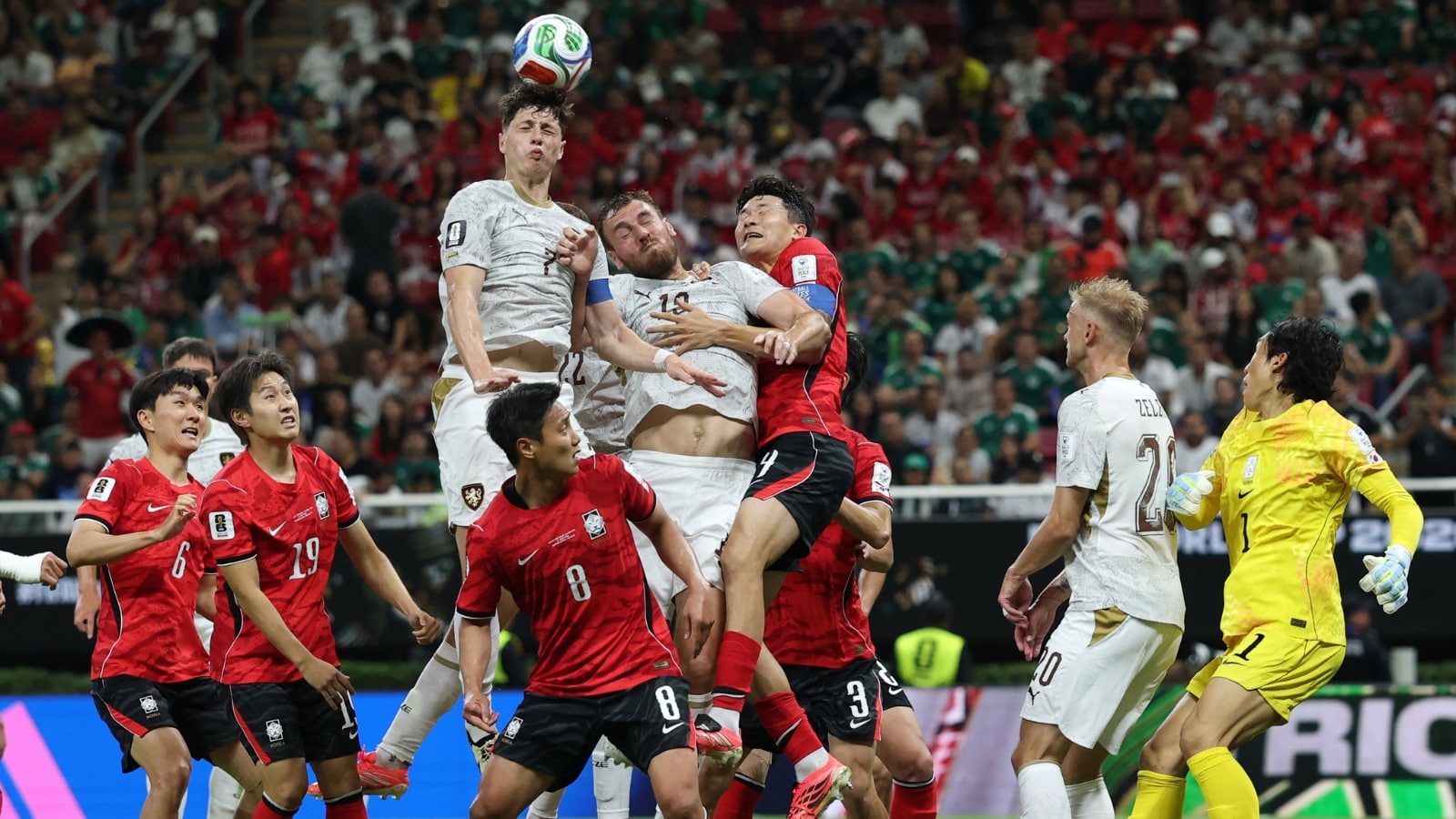
When the breakthrough arrived, it was as rudimentary as it was inevitable. Czechia had grown increasingly dangerous from dead-ball situations, testing the nerve of the Korean backline with every long throw-in and corner.
In the 59th minute, a towering throw into the penalty box disrupted the zonal scheme. Ladislav Krejčí rose above a static defense to glance his header past Kim Seung-gyu.
Czechia Set-Piece Threat (55'-65')
├── 59' - GOAL: Krejčí header from long throw-in (0-1)
└── 63' - DISALLOWED GOAL: Souček conversion from corner (Offside)
The goal was scored entirely against the run of play, yet it felt totally earned. Minutes later, Tomáš Souček had the ball in the net again from another set-piece scramble, only to be saved by a late offside flag. The warning signs were flashing red. The Korean defense lacked the physical presence and aggressive starting positions required to command their own six-yard box. Against elite North American or European sides later in this tournament, this particular deficiency will prove fatal if left uncorrected.
Individual Brilliance Bails Out the System
What followed was not a triumph of tactical adjustments, but a showcase of superior individual talent rescuing a flawed structure. Hwang In-beom took control of a game that was rapidly slipping away.
In the 67th minute, Hwang found himself on the edge of the box. Instead of rushing a shot into a wall of Czech defenders, he produced a brilliant fake that sent two opponents sliding past. The subsequent chip over Kovář was pure artistry, a moment of elite composure that restored parity and shifted momentum in an instant.
South Korea Tactical Shift (Post-65')
┌───────────────────────────────┐
│ Hwang In-beom moves higher    │ ───► Creates central overload
└───────────────────────────────┘
┌───────────────────────────────┐
│ Oh Hyeon-gyu occupies CBs     │ ───► Opens space on right flank
└───────────────────────────────┘
Hwang was not done. In the 80th minute, he cropped up on the right flank, utilizing the chaotic spacing of a tiring Czech defense. His pinpoint cross found Oh Hyeon-gyu, who timed his run perfectly to slot home the decisive goal.
It was a clinical turnaround, but relying on low-probability individual sequences to break down organized defensive blocks is a dangerous strategy for the long haul.
The Looming Mexico Crucible
A late, spectacular save from Kim Seung-gyu was required to protect the lead as Czechia launched a final aerial assault. South Korea survived, but their celebration should be muted.
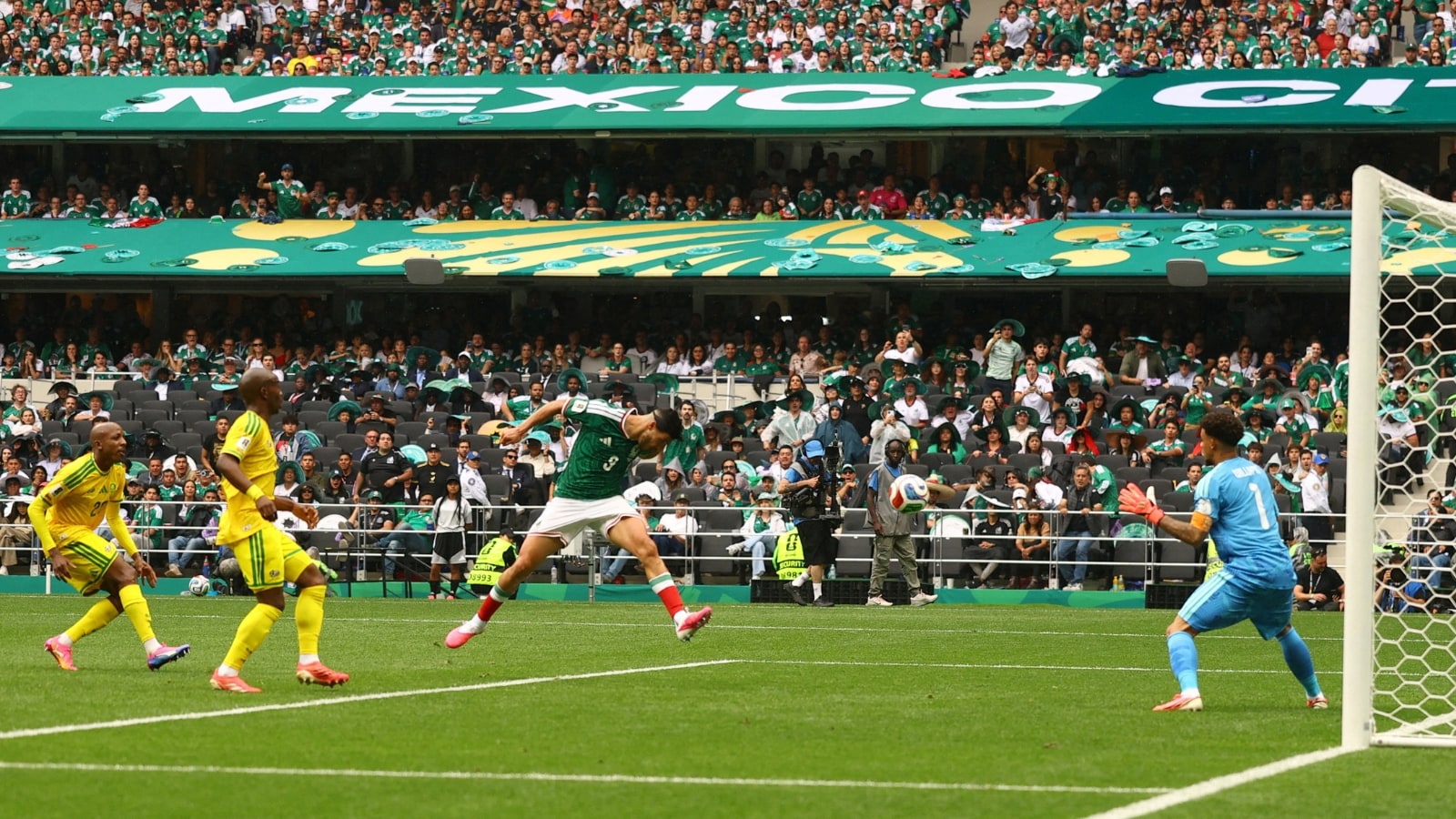
Next up is a heavyweight clash against co-hosts Mexico on June 18. Mexico enters that fixture brimming with confidence after dismantling South Africa 2-0 in front of a raucous Estadio Azteca. Javier Aguirre’s team possesses far more dynamic attacking variations than Czechia, combined with the partisan crowd advantage. If South Korea displays the same passive possession and defensive frailty against El Tri, the outcome will be far less forgiving.
Winning an opening match at a World Cup is notoriously difficult, and the grit shown to mount a second-half comeback is a positive psychological marker. However, tournament longevity belongs to teams that fix their leaks while winning. The structural disconnect between South Korea's midfield possession and penalty-box defending remains an unresolved problem.