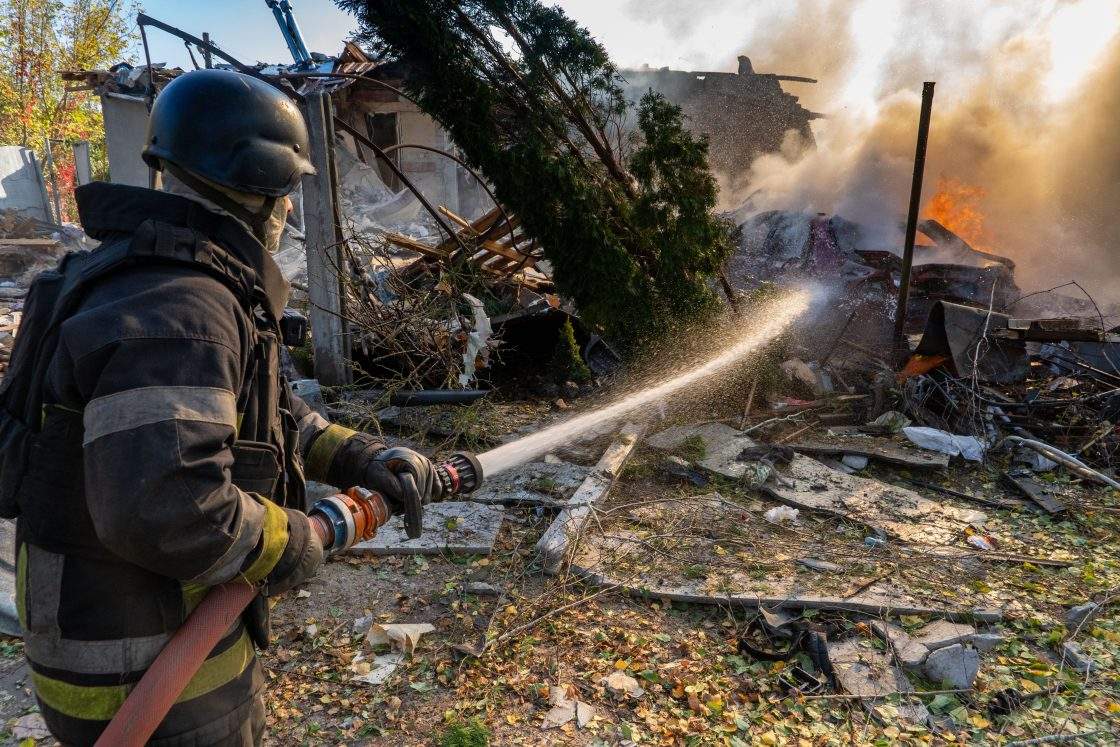
When an administration proclaims a breakthrough from the comfort of a digital broadcast, the reality on the ground rarely bends to fit the narrative. Declarations of an immediate energy ceasefire between Russia and Ukraine collided almost instantly with the deafening roar of airstrikes and exploding fuel depots.
Ukrainian President Volodymyr Zelenskyy pointed out the obvious disconnect with a sharp observation: Vladimir Putin does not read social media announcements. Yet the eagerness in international capitals to announce tidy truces often overrides the messy, unyielding mechanics of a war entering its fourth grinding winter.
Understanding why these high-profile diplomatic shortcuts fail requires looking past the headlines and examining the actual incentives driving both Moscow and Kyiv. Neither side is operating in a vacuum, and neither can afford to halt its most effective military levers based on verbal goodwill alone.
The Strategic Value of the Grid
Energy infrastructure is not a secondary target in this conflict; it is the central nervous system of both the economy and the war effort. For Ukraine, defending the electrical grid means preventing a humanitarian catastrophe while millions face freezing temperatures. For Russia, maintaining constant pressure on power generation and fuel storage is a way to degrade industrial output and erode civilian morale.
When a White House official suggests a narrow understanding of a truce—such as limiting strikes strictly to oil refineries—it ignores the broader operational picture. A refinery isn't just an economic asset; it is the literal fuel source powering armored columns and tactical air support. Asking military commanders to ignore these nodes while infantry units engage in brutal trench warfare is a fundamental misunderstanding of modern attritional conflict.
Furthermore, long-range drone technology has shifted the economics of the war. Ukraine has successfully demonstrated that asymmetrical drone campaigns can degrade significant portions of Russian refining capacity, cutting into profits that directly fund military operations. Halting those strikes without ironclad, verifiable enforcement mechanisms means asking Kyiv to disarm one of its few strategic deterrents on the promise of an unverified verbal agreement.
The Illusion of Quick Fixes
The pressure for rapid diplomatic wins often stems from external political cycles rather than strategic realities on the battlefield. Global energy prices fluctuate wildly with every escalation, creating domestic political urgency in Western nations. When prices spike, administrations feel compelled to produce immediate diplomatic deliverables, leading to hastily packaged announcements that lack institutional backing from both belligerents.
The Kremlin's response to these announcements has consistently exposed the gap between Washington's rhetoric and Moscow's objectives. While western intermediaries frame pauses as stepping stones to comprehensive peace, Russian leadership frequently treats temporary proposals as tactical maneuvers or rejects them outright unless tied to broader geopolitical concessions, such as the lifting of sanctions or major territorial shifts.
A ceasefire declared on a digital platform without mutual consent, demilitarized verification zones, or third-party monitoring is nothing more than theater.
The Ground Truth
Behind the diplomatic posturing lie the cold logistics of survival. Air defense interceptors are expended daily, repair crews work under fire to patch high-voltage transformers, and citizens brace for blackouts that turn urban centers into survival zones.
Until international diplomacy matches the gravity of the destruction rather than chasing headlines, these proclaimed truces will continue to shatter before the ink on the press release is dry. The war grinds forward, dictated not by well-wishing statements, but by the raw capacity of each side to absorb punishment and keep the generators running.
Zelenskyy says Russia strikes energy facilities despite Trump claim of an energy ceasefire
This news report provides visual and firsthand context regarding Ukrainian President Volodymyr Zelenskyy's public response to the contested energy ceasefire announcements.