Diplomatic ties between neighbors rarely run smooth. When equations shift, the machinery of government has to adapt fast.
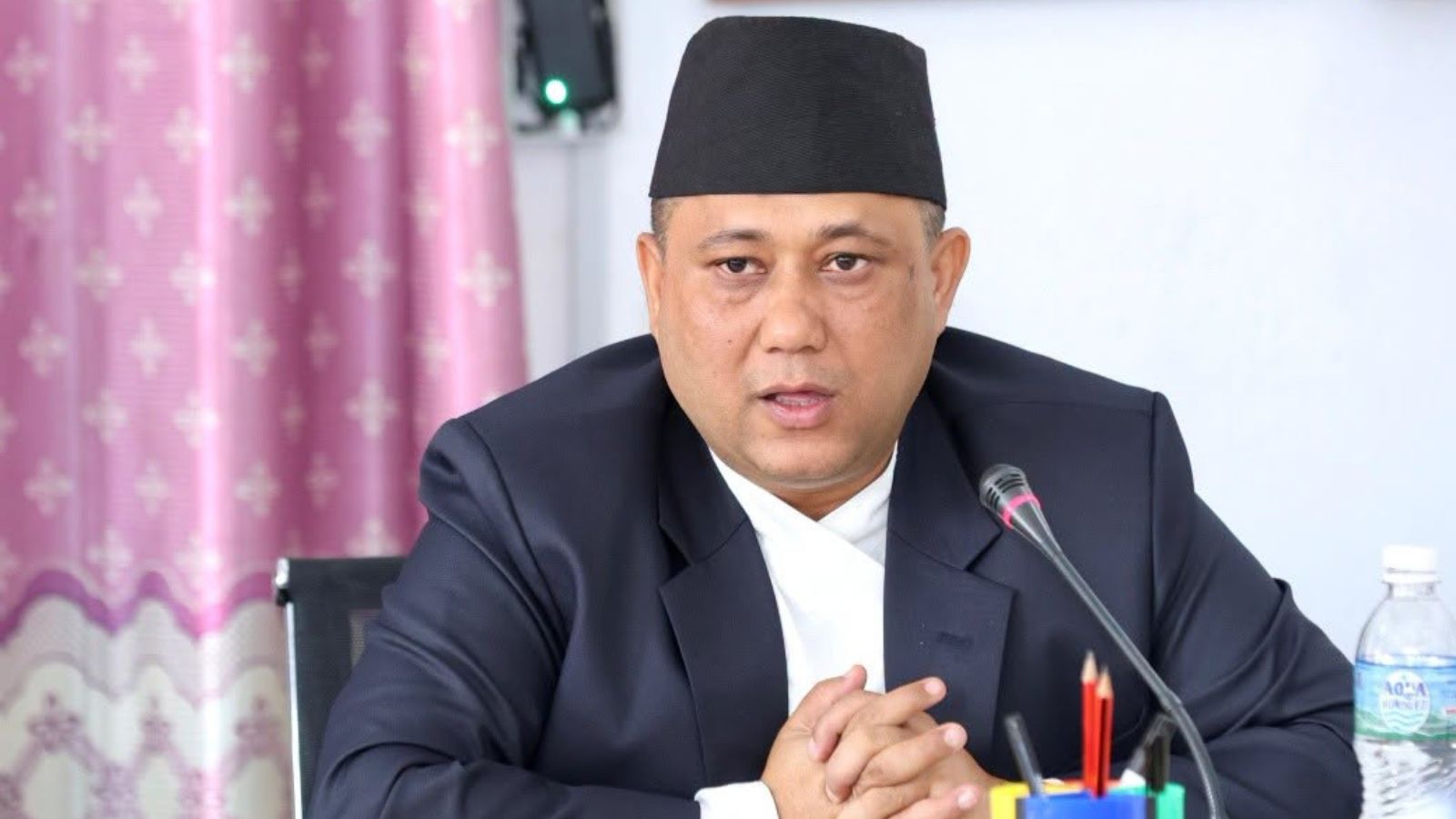
Indian High Commissioner Dinesh Trivedi just wrapped up high-stakes meetings in Dhaka, sitting down with Bangladesh Parliament Speaker Hafiz Uddin Ahmed and Deputy Speaker Barrister Kaiser Kamal. If you look past the standard diplomatic handshakes, these talks signal a massive pivot in how New Delhi and Dhaka plan to deal with each other after years of rigid, state-level dominance. For a different view, check out: this related article.
Moving Beyond Bureaucratic Walls
For over a decade under previous administrations, bilateral ties were heavily state-centric. Governments talked to governments, while the actual citizens often felt left out of the narrative. Speaker Hafiz Uddin Ahmed didn't mince words about this during his meeting with Trivedi, pointing out that historical ties weathered numerous shifts and that future cooperation must rest firmly on mutual respect, independent sovereignty, and deep public connection.
Trivedi echoed this sentiment, noting that New Delhi wants a people-centric approach moving forward. That is a notable departure from old habits. When high commissioners start pushing for citizen-level engagement rather than just backroom policy deals, the entire diplomatic climate changes. Similar coverage on the subject has been shared by USA Today.
Digital Parliaments and Shared Frameworks
The meetings at the Jatiya Sangsad weren't just about general philosophy. They got into concrete mechanics. Deputy Speaker Barrister Kaiser Kamal stressed the need to modernize parliamentary systems, specifically pointing to India's legislative framework as a model. Bangladesh has actively started rolling out an e-Parliament system to digitize records and streamline operations.
They dug into several operational goals during the sessions:
- Establishing formal Parliamentary Friendship Groups to keep lines open between lawmakers.
- Organizing reciprocal parliamentary delegation visits under the direction of both speakers.
- Improving collaboration between specific parliamentary committees.
- Sharing technical expertise to fast-track digital record-keeping in Dhaka's legislature.
Trivedi also reiterated an open invitation from Lok Sabha Speaker Om Birla for Bangladeshi legislative leaders to visit New Delhi at their earliest convenience. These visits matter. They build working relationships long before crises hit the news wire.
Tackling Real Regional Pressures
Beyond legislative tech and institutional updates, the leaders touched on heavy regional issues. They addressed the ongoing Rohingya crisis and rehabilitation efforts, alongside targeted cultural and sports exchanges designed to bridge gaps at the grassroots level.
You cannot fix complex geopolitical friction with a single meeting. However, shifting the conversation from closed-door executive bureaucracy to open legislative exchange gives both nations a better safety valve. Watch for upcoming delegation arrivals in New Delhi over the coming months to see if these legislative commitments actually turn into policy reality.