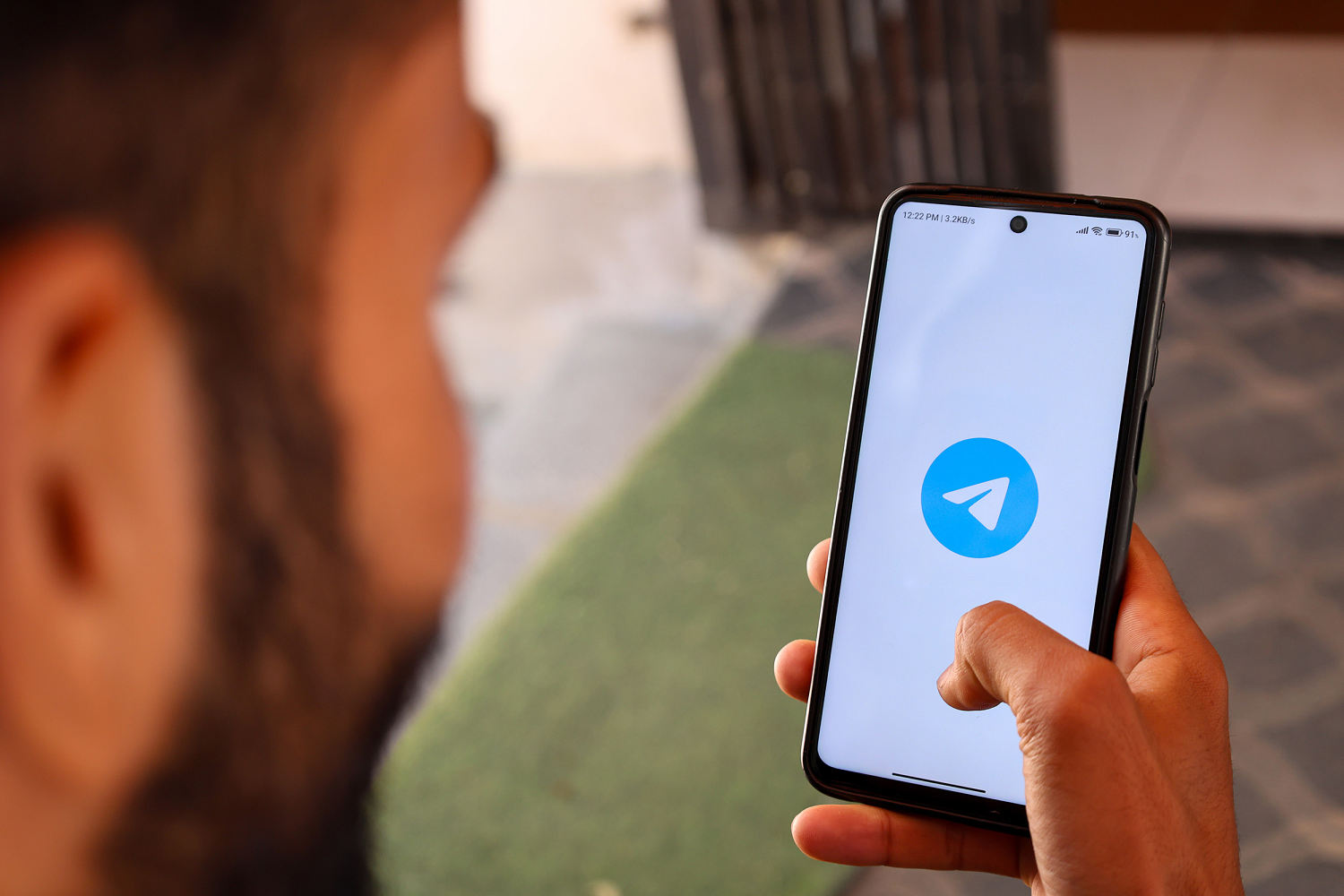
Treating a structural wildfire with a garden hose rarely works. Yet, that is exactly what India's Ministry of Education tried when it ordered internet service providers to temporarily block the Telegram messaging app nationwide.
The emergency ban running until June 22, 2026, aims to protect the integrity of the National Eligibility cum Entrance Test (NEET-UG) re-examination. Last month, authorities scrapped the original exam results for 2.3 million medical aspirants after proof emerged that question papers were leaked and sold online. This triggered nationwide anger, mass student protests, and calls for the resignation of Education Minister Dharmendra Pradhan.
Now, the government's desperate fix is cutting off the country's largest market for Telegram, impacting over 150 million users. The National Testing Agency (NTA) claims organized cheating networks used anonymous Telegram channels and automated bots to sell leaked papers for hundreds of thousands of rupees. Along with the temporary blackout, the government ordered Telegram to disable its message-editing tool until June 30 to stop scammers from backdating messages to fabricate "evidence" of new leaks.
It is a dramatic escalation, but it targets the delivery boy instead of the printing press.
The Collateral Damage of the Digital Blackout
For millions of Indian students, Telegram is not just an app. It is an infrastructure. Because WhatsApp limits group sizes and makes phone numbers visible, students use Telegram's massive channels to build peer-to-peer survival networks. It is where kids from low-income families access shared study guides, free mock tests, and crowd-sourced doubt-clearing sessions they otherwise could not afford.
The Internet Freedom Foundation (IFF), a digital rights advocacy group in India, called out the block as unconstitutional and lacking transparency. They pointed out that shutting down a vital resource in the final hours of exam prep punishes the victims rather than the perpetrators.
The timing could not be worse. Students are already swimming in severe anxiety after spending years locked in brutal 14-hour daily study routines, only to see their efforts invalidated by a systemic leak. Stripping away their primary communication tool days before the high-stakes re-exam adds institutional panic to an already volatile situation.
Why App Bans Fail to Stop Organized Fraud
Banning an app to stop paper leaks assumes the leak starts inside the app. It doesn't.
Telegram CEO Pavel Durov slammed the decision on his public channel, arguing that the restrictions simply push fraudulent activity to other platforms while penalizing millions of innocent users. Durov noted that Telegram had already cooperated with Indian cyber police to take down hundreds of scam channels and had made "edited" labels more prominent to fight fraud.
History shows us that blackouts don't dissolve criminal networks; they just force them to migrate. If a cheating racket possesses a leaked physics or chemistry paper from a secure printing press or a compromised transport vault, losing Telegram won't stop them. They will move to Signal, utilize private Discord servers, exploit hidden subreddits, or revert to old-school physical printouts passed through coaching institute middlemen.
We saw this a decade ago during the infamous Vyapam scam in Madhya Pradesh. Long before Telegram existed, rackets successfully rigged medical entrance tests using physical impersonators, manipulated exam hall seating arrangements, and leaked answer keys through corrupt board officials. The problem is human corruption, not digital encryption.
The Real Root of India's Exam Crisis
The National Testing Agency framed this block under Section 69A of India's IT Act, a stringent provision meant to protect national security and public order. Labeling exam fraud as a national security issue might sound tough, but it highlights how fragile the centralized testing system has become.
When 2.3 million candidates compete for a tiny pool of government medical seats, the pressure cooking inside these households creates a massive financial market for cheating. Families are willing to mortgage land or take out massive loans to buy an edge. Where there is that much desperate capital, criminal syndicates will find a way to breach the wall.
The state needs to secure the physical supply chain of paper creation, transit, and storage. Papers leak because someone with physical access takes a photo or opens a box early. Shutting down the entire digital public square to prevent that photo from being shared is lazy governance.
Practical Steps for Affected Students right now
If you are a student caught in this mess waiting for the June 21 re-test, you cannot fix the NTA's infrastructure, but you can protect your own preparation.
- Download your data offline immediately: If you still have cached access to your Telegram study groups via desktop or local storage, download crucial PDFs, answer keys, and notes to a local hard drive now.
- Move peer groups to decentralized alternatives: Use alternative secure messaging tools like Signal or standard SMS groups to keep a tight, trusted circle of study partners active for emotional support and quick questions.
- Ignore the "New Leak" noise: Do not fall for operators on alternative platforms claiming to have the re-exam paper for a fee. The NTA and cyber crime units are actively running stings, and buying into these channels will land you in jail or get you barred for life.
- Focus strictly on your core material: The re-test will likely face intense security scrutiny. Trust your preparation, rely on your NCERT textbooks, and don't let the noise of the app bans break your mental focus in these final hours.
The government's temporary ban lifts on June 22, but the structural credibility of India's competitive testing framework will take a lot longer to repair.