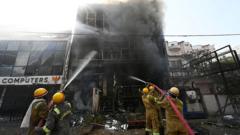
A horrific building fire in a northern Indian city recently claimed 15 lives, sparking yet another high-level government inquiry. It is a story we hear far too often. Smoke fills a cramped commercial structure, exits are blocked, illegal construction traps occupants, and families are left devastated. Then comes the predictable bureaucratic response: a formal investigation is ordered, compensation is promised, and the news cycle moves on.
We need to talk honestly about why these avoidable tragedies keep happening. It is not just about bad luck or a sudden electrical spark. It is a systemic failure of urban planning, corrupt local inspections, and a blatant disregard for basic human safety.
The Routine Failure of Municipal Enforcement
Every time a deadly blaze hits a major city in northern India, the subsequent investigation reveals the exact same list of violations. Buildings operate without a valid Fire No-Objection Certificate (NOC). Structures built for residential use get illegally converted into commercial factories or coaching centers. Emergency exits are locked to prevent theft, or blocked entirely by inventory.
Local municipal corporations have clear guidelines under the National Building Code of India. The rules dictate the required width of staircases, the installation of functional sprinklers, and the necessity of clear escape routes. Yet, these regulations exist mostly on paper. Property owners routinely bypass safety audits through bribes or political connections. The enforcement mechanism is completely broken. When local authorities turn a blind eye to illegal extra floors and narrow, choked alleyways, they are actively setting the stage for the next disaster.
Why Official Inquiries Rarely Lead to Real Change
An order for an official inquiry sounds authoritative. It makes for a reassuring headline in the immediate aftermath of a crisis. But if you look at the track record of these panels, they rarely result in structural reform or long-term accountability.
Most administrative probes take months to compile a report. By the time the findings are submitted to the state government, public anger has cooled. The minor officials who signed off on faulty permits might face a temporary suspension, but the systemic flaws remain completely untouched. Real accountability means filing criminal negligence charges against both the property owners and the specific municipal inspectors who cleared the building. Until senior officials face actual prison time instead of bureaucratic slaps on the wrist, the incentive to cut corners will always outweigh the fear of punishment.
Practical Steps to Prevent the Next Tragedy
Fixing this crisis requires moving past public grief and enforcing immediate, uncompromising changes on the ground. Cities cannot afford to wait for the next court mandate or delayed commission report.
First, municipal bodies must digitize the entire building fire safety certification process to eliminate direct bribery. Every single commercial building's Fire NOC status should be publicly accessible online. If a building is non-compliant, citizens, workers, and tenants have a right to know so they can avoid entering the premises.
Second, local resident welfare associations and trade unions need to conduct independent safety drills. You cannot rely solely on a corrupt or understaffed local bureaucracy to protect you. Businesses operating in high-density areas like old commercial districts must invest in basic, functional fire extinguishers and keep exit routes completely clear of storage boxes.
True safety requires a massive shift in how public spaces are managed. Stop treating fire safety as an optional administrative hurdle and start treating it as a non-negotiable condition for doing business.