The Middle East is on fire, and the global energy market is feeling the heat. While the 2026 conflict between Iran and the US-Israel coalition has sent oil prices screaming past $125 a barrel, the impact on the ground looks vastly different depending on which side of the Wagah border you’re standing. In Islamabad, it’s a full-blown emergency with petrol prices hitting PKR 458 per litre. In New Delhi, things are eerily calm. It’s not luck. It’s the result of two diametrically opposed strategies for national survival.
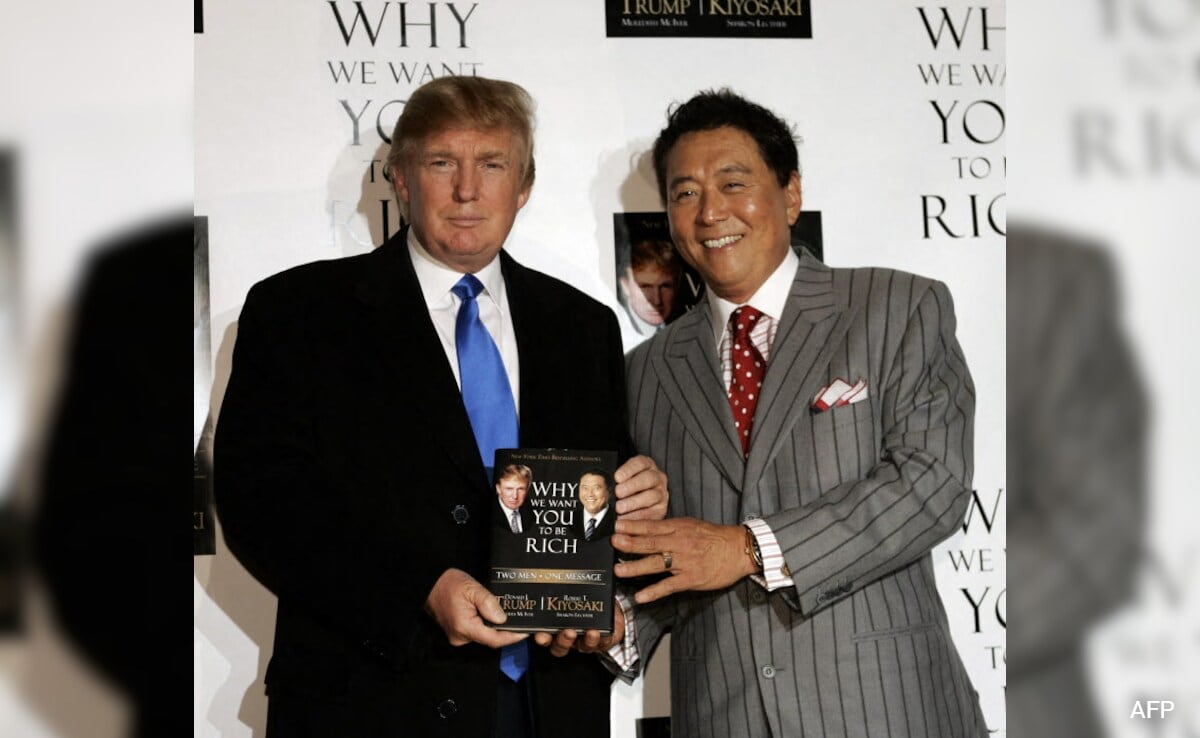
Robert Kiyosaki, the guy who wrote Rich Dad Poor Dad, recently pointed out this massive divide. He’s not the only one. Pakistan’s own Petroleum Minister, Ali Pervaiz Malik, had to admit the truth: Pakistan doesn't have a single day’s worth of strategic petroleum reserves. Compare that to India, which can keep its economy running for over two months on emergency stocks alone. When the Strait of Hormuz gets choked, Pakistan gets a heart attack. India just reaches for its reserves.
The Brutal Reality of Zero Reserves
You can’t run a modern country on "vibes" and hopeful press releases. For years, Pakistani officials claimed their fuel supply was secure. But as soon as the Iran war flared up and the Strait of Hormuz—the world's most critical oil chokepoint—was blocked, the facade fell apart.
Pakistan depends almost entirely on imported oil. Without a strategic cushion, the government has no choice but to pass every single cent of the global price hike directly to the consumer. In April 2026, petrol jumped from PKR 321 to PKR 458 in a single month. That’s a 43% spike that kills small businesses and leaves families unable to afford basic transport. Diesel was even worse, climbing 55% to PKR 520.
The problem isn't just a lack of tanks in the ground. It’s the IMF. Because Pakistan is locked into a strict bailout program, it doesn't have the "fiscal space" to lower taxes to protect its people. It's a trap. If they cut fuel levies to help the public, they violate the IMF deal and risk total sovereign default. If they don't, the streets erupt in protests. It’s a lose-lose scenario that India simply doesn’t face.
India’s Multi-Layered Energy Shield
While Pakistan is scrambling to set up a task force now to look into building reserves, India finished its homework years ago. India’s stability during this 2026 crisis isn’t a miracle—it’s math.
- The 60-Day Cushion: India maintains massive Strategic Petroleum Reserves (SPR) in underground salt caverns and facilities at places like Visakhapatnam, Mangalore, and Padur. Combined with commercial stocks held by oil companies, India can survive 60 to 70 days without a single new shipment.
- The Russia-Venezuela Pivot: India doesn't put all its eggs in the Middle Eastern basket. By aggressively buying discounted Russian oil and restarting shipments from Venezuela in 2026, New Delhi has diversified its suppliers.
- Refining Power: India is one of the world's largest refining hubs. It doesn't just buy oil; it processes it and exports the surplus. This gives the government massive leverage to adjust export duties and keep domestic prices flat even when global crude is at $126.
Basically, India has the money (over $600 billion in forex reserves) and the infrastructure to "absorb" the shock. When global prices go up, the Indian government can afford to take a hit on its tax revenue or tell its oil marketing companies to hold prices steady for a few months. Pakistan doesn't have that luxury. It’s living paycheck to paycheck on a national scale.
The Diplomatic Irony
There’s a weird twist to this 2026 saga. While Pakistan’s economy is taking a beating, its diplomats are actually winning points in Washington. Because Pakistan has a long, messy history with Iran, it’s become the go-to mediator for the US.
Michael Kugelman and other South Asia experts have noted that Pakistan is using this "backchannel" status to stay relevant. India, which has tilted more toward the US-Israeli side, has found itself with less diplomatic leverage in Tehran. But here’s the kicker: being a "great mediator" doesn't put fuel in your tractor. Pakistan is getting patted on the back in DC while its citizens are queuing for hours at petrol pumps.
What This Means for the Rest of 2026
If you’re watching this from the outside, the lesson is clear: energy security is national security. Pakistan is now frantically trying to build a reserve system that will take years to complete. In the meantime, they're looking at more coal, more power cuts, and more IMF negotiations.
For India, the focus is shifting toward "de-risking" even further. The 2026 crisis has proven that relying on the Strait of Hormuz is a gamble. Expect India to double down on renewable energy and even more coal-to-liquid projects to ensure they never have to worry about a "signature" to release emergency oil again.
If you’re a business owner or an investor in the region, keep a close eye on the shipping insurance rates in the Persian Gulf. As long as those stay high, Pakistan's inflation will stay in the stratosphere. India has a shield, but it’s not invincible. If this war drags on past the summer, even India's 70-day reserve will start looking thin.
The immediate next step for anyone exposed to these markets is to hedge against continued volatility. Don't expect prices to "normalize" until a permanent ceasefire is signed in the Middle East. Until then, one country is playing chess with a full board, and the other is just trying to keep the lights on.
Strategic Petroleum Reserve Explained
This video provides direct context on the current 2026 energy crisis, featuring the specific admission from Pakistan's Petroleum Minister regarding India's superior oil reserves.
http://googleusercontent.com/youtube_content/1


