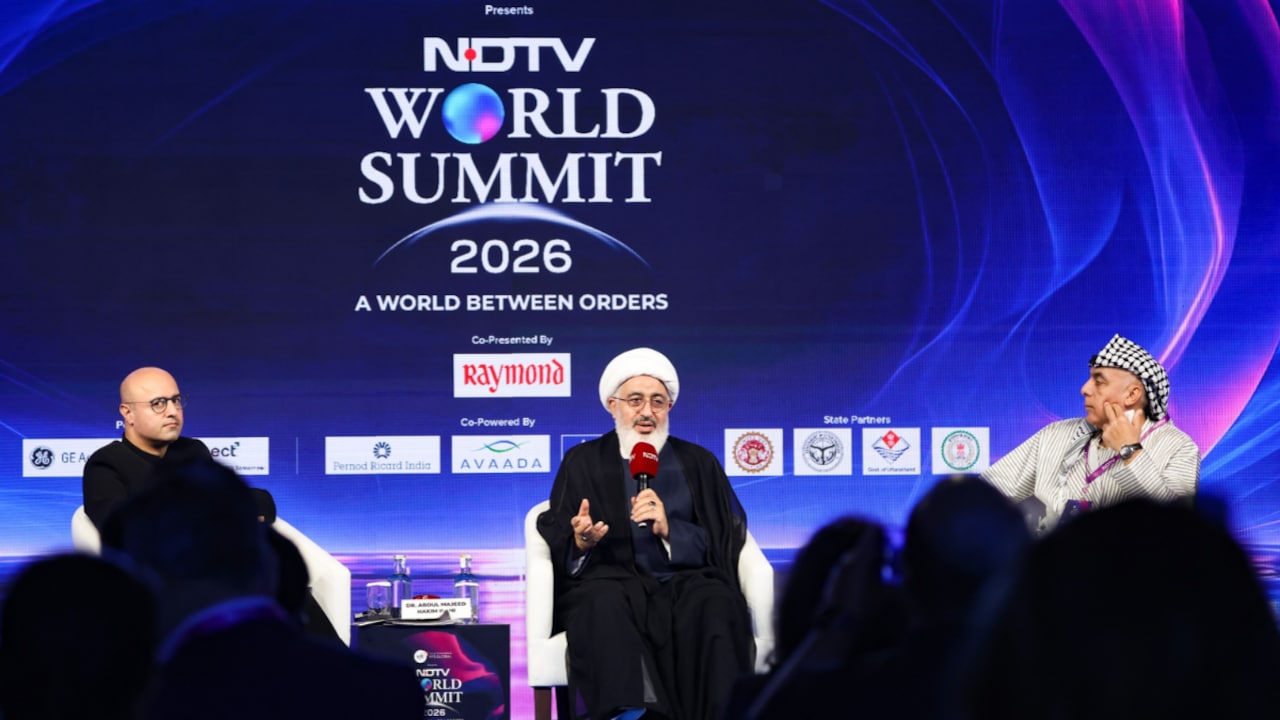
Iranian officials arguing that New Delhi can play a major role in stabilizing the Middle East rest their case on an optimistic premise: historical goodwill and multilateral forums like BRICS automatically convert into diplomatic leverage. That premise mistakes diplomatic goodwill for structural bargaining power. When an Iranian representative invokes longstanding cultural ties and BRICS membership to invite Indian peacemaking, the underlying argument assumes that bilateral warmth with Tehran and membership in the same bloc give India the credibility, access, and incentive to broker settlements across conflicting parties. In practice, effective mediation requires asymmetric trust with rival belligerents, verifiable security guarantees, and a clear return on diplomatic capital—none of which follow automatically from cultural history or bloc membership. A rigorous assessment separates Tehran's rhetorical appeal from the actual mechanics of third-party mediation, showing where India's structural exposure creates real stakes, where rival actors already occupy backchannels, and how New Delhi can turn selective engagement into tangible stability without overcommitting its reputation.
Deconstructing the Iranian Pitch: Goodwill Versus Leverage
The standard claim from Tehran's side follows a simple chain: India and Iran share deep historical and cultural ties, both sit inside BRICS, and India maintains ties across the wider region, so New Delhi is naturally positioned to promote peace. Stripped of diplomatic ornament, that logic relies on three leaps that do not hold under scrutiny.
- The Affinity Fallacy: Shared history or cultural familiarity creates a hearing, not influence over an adversary's core security calculations. Even warm relations with Tehran do not give New Delhi decisive sway over Iran's strategic doctrine, nor do they automatically grant New Delhi standing with Washington, Tel Aviv, or Gulf capitals during acute escalations.
- The Multilateral Illusion: BRICS provides a diplomatic stage and a consultation venue, not a command-and-control mechanism for regional ceasefires. Members hold diverging security alignments and competing bilateral priorities, which limits how far a broad economic-diplomatic grouping can go when military escalation or maritime chokepoints are at stake.
- The Symmetry Blind Spot: A credible mediator usually needs distinct channels to all sides that are not already saturated by other actors. During active crises involving Iran, the United States, Israel, and Gulf states, regional actors such as Qatar, Oman, Egypt, Turkey, and Pakistan have actively contested or operated backchannel roles. Simply being invited by one side to speak well of peace does not make a state the preferred conduit for the other side.
These gaps point to a deeper cause-and-effect relationship that Iranian appeals often gloss over. When a party under pressure urges a major power like India to step into a peace role, it is often seeking diplomatic counterweight and international legitimacy as much as a neutral broker. If New Delhi accepts a high-profile mediation label without clear buy-in from every party to the dispute, it risks absorbing blame when talks stall while gaining very little control over the outcome.
Why Middle East Instability Hits India Directly
Even if Tehran's mediation pitch overstates New Delhi's turnkey leverage, Indian indifference is not an option. Middle East instability transmits shocks directly into India's economy and internal security through three concrete channels.
Energy and shipping exposure sit at the top of the list. Crude oil price spikes, tanker rerouting, and higher maritime war-risk insurance ripple straight through India's import bill, refinery margins, inflation management, and currency stability. Because India imports the vast majority of its crude needs and trades heavily across West Asian maritime lanes, prolonged disruption around the Persian Gulf or adjacent waterways acts as a tax on domestic growth.
Labor and remittance exposure forms the second channel. Millions of Indian workers live and work across Gulf Cooperation Council states. Broad regional conflict threatens both physical safety and economic continuity—through business slowdowns, contract delays, evacuation pressures, or sudden labor market shifts—putting household incomes and remittance flows at risk.
Bilateral and trade exposure forms the third channel. West Asia is a major destination for Indian exports, from food products and pharmaceuticals to engineering goods and refined fuels, while also anchoring connectivity projects and strategic partnerships with Gulf capitals and Israel. A widening conflict forces New Delhi to manage simultaneous friction across defense partnerships, energy supply chains, and regional diplomatic posture.
What is known with high confidence is that these economic and diaspora transmission channels are structural features of India's external balance sheet. What remains a hypothesis in any given crisis is how quickly a localized clash escalates into sustained shipping blockades or broader regional spillover—which is precisely why New Delhi prioritizes crisis containment and de-escalation messaging even when it avoids formal third-party arbitration.
The Four Determinants of Credible Third-Party Leverage
In international mediation, willingness to help is necessary but never sufficient. Whether a state like India can move a conflict toward de-escalation depends on four operational variables:
- Channel Exclusivity: Does the mediator carry messages or proposals that rival capitals cannot pass more directly or more quickly through established conduits?
- Reputational Downside: How much diplomatic standing does the mediator lose if a public peace initiative collapses, and does the country's foreign policy tradition favor quiet backchannels over public brokering?
- Incentive Alignment: Can the mediator offer concrete economic, logistical, or diplomatic sweeteners—such as trade continuity, humanitarian corridors, or multilateral backing—that reward restraint?
- Bandwidth and Speed: Can decision-makers respond rapidly to fast-moving military and diplomatic shifts without getting bogged down in symbolic summits?
Applying this four-part test explains why India has historically favored direct bilateral outreach to multiple capitals and calls for restraint rather than positioning itself as a formal middleman. Formal mediation binds a country's credibility to the behavior of actors it does not control. If one side rejects a framework or resumes strikes mid-talk, a public mediator looks sidelined. Conversely, if a country stays silent while regional neighbors claim the diplomatic spotlight, critics at home and abroad may view New Delhi as reactive rather than influential.
The Limits and Failure Modes of Indian Peacemaking
Any serious strategy must state where Indian leverage hits a wall. There is no silver bullet in West Asian diplomacy, and several structural constraints limit what New Delhi can deliver on its own.
First, security guarantees are outside India's toolkit. Core disputes involving Iran, Israel, and the United States turn on military deterrence, regional proxy networks, nuclear and missile postures, and hard security commitments that only the primary belligerents—and major security guarantors—can negotiate or enforce. India can urge de-escalation and keep diplomatic doors open, but it cannot underwrite regional ceasefires militarily.
Second, multi-alignment creates friction when lines harden. Maintaining working ties with Iran, Gulf states, Israel, and the United States gives India wide conversational reach, yet intense crises test how far balancing can stretch before partners demand clearer alignment. Over-promising as a peace broker can strain trust with a key partner that views another party as an immediate security threat.
Third, competing mediators crowd the diplomatic field. States with deep operational ties to specific factions, rapid crisis-management habits, or direct stakes in neighboring theaters often move fast to insert themselves as conduits. Trying to out-announce every rival mediator wastes effort on optics rather than outcomes.
A Practical Playbook for New Delhi
To turn real stakes into practical stability without falling into Tehran's overbroad framing, New Delhi should run a disciplined, four-step diplomatic play focused on risk reduction rather than headline-grabbing peace summits:
- Anchor on Maritime and Economic De-escalation: Make safe commercial navigation, protection of energy and trade lanes, and civilian/diaspora safety the explicit operational metric of engagement across Tehran, Gulf capitals, and major maritime partners. Concrete de-escalation around shipping and infrastructure has clearer near-term traction than sweeping political grand bargains.
- Use Quiet Bilateral Channels Ahead of Public Roles: Keep high-level direct lines open with all relevant capitals to clarify red lines and pass practical off-ramps privately, avoiding formal "chief mediator" labels unless every core party genuinely requests New Delhi's facilitation.
- Treat BRICS and Plurilateral Forums as Secondary Amplifiers: Use BRICS and regional groupings to reinforce norms against widening war and to coordinate trade or economic resilience, never as a substitute for direct talks among the actual decision-makers in the conflict.
- Pair Diplomacy With Domestic Shock Absorbers: Back diplomatic outreach with concrete contingency planning—diversified crude sourcing, shipping risk buffers, export credit support, and rapid consular readiness for expatriates—so external shocks cannot coerce New Delhi into hasty concessions.
The decisive strategic play for India is to act as a pragmatic shock-absorber and quiet de-escalation conduit on commercial, humanitarian, and regional stability issues, while refusing to stake its diplomatic prestige on grand peace promises that Tehran or other capitals cannot back with enforceable compromises.