Political Washington thrives on dysfunction, but few developments capture the bizarre ecosystem of modern presidential politics quite like leaked correspondence from a president's closest confidants. When intensely personal notes written by high-level aides surface publicly, they spark frantic news cycles not just because of the gossip factor, but because they expose the strange realities of power inside the West Wing.
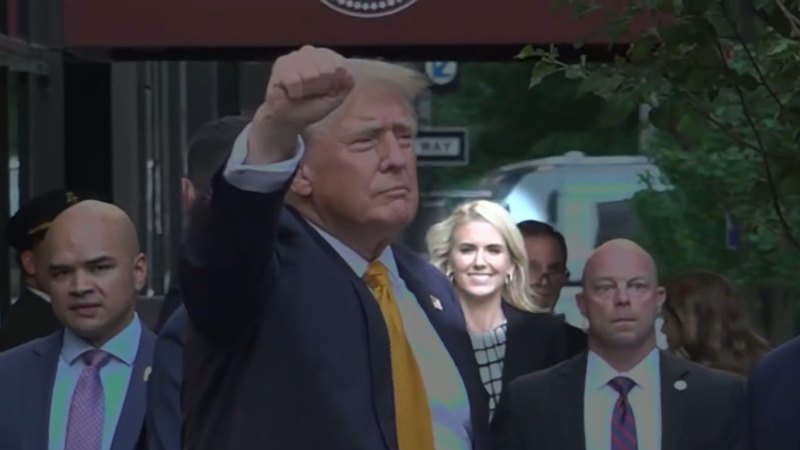
Take the intense public fascination surrounding aide Natalie Harp. Reports detailing adoring letters written to Donald Trump—featuring lines like "you are all that matters to me" and describing the president as a "Guardian and Protector"—briefly hijack the national conversation. Critics call it bizarre, insiders roll their eyes, and defenders brush it off as standard loyalty. But the real story isn't the emotional tone of a memo. The real story is how personal devotion translates into unchecked administrative access. For another view, consider: this related article.
Access Beats Hierarchy Every Time
If you've ever worked in a large organization, you know the formal org chart is basically a myth. The real power belongs to whoever controls the calendar, the inbox, and the door to the boss's office. In Trump's orbit, aides who function as gatekeepers wield disproportionate influence over what information reaches the Resolute Desk.
When an assistant controls social media accounts, filters news feeds, and hand-delivers printed articles—earning nicknames like the "human printer"—they stop being a background staffer and start shaping reality. That level of proximity bypasses traditional checks from cabinet secretaries, chiefs of staff, and policy advisors. Foreign leaders and domestic lawmakers quickly figure out that routing a message through a trusted inner-circle loyalist works faster than going through official channels. Similar reporting on this matter has been provided by Associated Press.
The Danger of Echo Chambers
Every modern presidency suffers from bubble syndrome. Surrounded by people whose primary qualification is unwavering personal loyalty, leaders often lose touch with dissenting views. Letters expressing absolute devotion highlight a deeper structural issue: the active elimination of friction.
Good governance requires pushback. It demands advisors who are willing to risk their jobs to tell a president they are wrong. When an administration's culture rewards emotional surrender and treats internal disagreement as betrayal, decision-making suffers. We saw this dynamics play out repeatedly during Trump's terms, where career officials clashed constantly with a loyalist inner circle operating outside standard bureaucratic norms.
Why These Scandals Keep Repeating
Leaked memos and tell-all books are predictable symptoms of a chaotic political culture. Outsiders look at these headlines with sheer disbelief, wondering how personal fealty can override professional competence. Yet, political survival often rewards absolute obedience over institutional preservation.
Stop treating these viral moments as mere soap opera entertainment. They offer a transparent window into how modern executive power actually functions—and who gets to whisper in the ear of the most powerful person in the world.