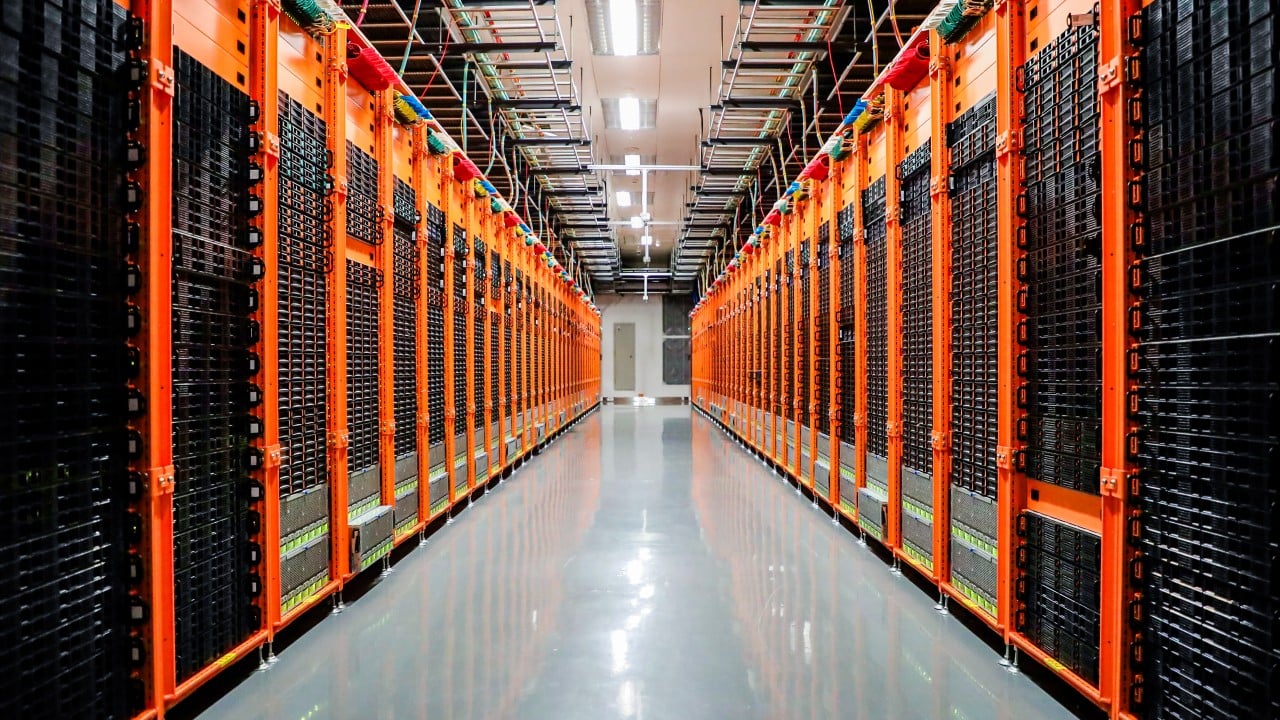
Alibaba Cloud has officially planted its flag in South America, launching its first local cloud and artificial intelligence data centers in Brazil to capture the region's exploding demand for machine learning infrastructure.
Strip away the corporate press releases, and a sharper reality emerges. This move represents a calculated counter-offensive in the high-stakes global infrastructure race. American hyperscalers have long dominated Latin America's digital corridors. Now, Chinese tech giants are establishing permanent beachheads in the southern hemisphere, transforming regional commerce and software development.
Building data centers abroad is expensive, logistically complex, and fraught with geopolitical tension. Understanding why Alibaba chose São Paulo requires looking past simple market expansion metrics.
The Power Calculus Driving the Southward Migration
Compute capacity requires vast, uninterrupted energy supplies. Northern hemisphere data hubs face grid bottlenecks, soaring power prices, and strict environmental caps.
Brazil offers a compelling alternative. Renewable energy sources, particularly hydroelectric power, provide a stable and relatively cheap foundation for heavy computational workloads. Analysts note that energy constraints in traditional Western markets have forced infrastructure planners to look south.
Alibaba is not alone in this calculus. Competitors like ByteDance are pouring massive capital into Brazilian server installations.
Energy availability dictates where artificial intelligence models train and scale. Without reliable power, massive clusters of accelerators sit idle. Brazil solves this immediate operational constraint while offering a massive local market of enterprises eager to adopt machine learning tools.
Navigating the Geopolitical Crosscurrents
Expanding into South America carries distinct diplomatic risks. Washington views Chinese cloud infrastructure investments in Latin America with deep suspicion.
Security hawks frequently warn that foreign-owned data nodes could become strategic liabilities or intelligence vectors. These concerns shape how local governments evaluate foreign direct investment.
Brazil has historically maintained an independent foreign policy, welcoming capital from both Eastern and Western economies. Local policymakers recently introduced tax incentives and duty-free import provisions for hardware to accelerate domestic server construction.
Alibaba's strategy relies on navigating this tightrope. By providing cheaper computational alternatives and localized data residency compliance, the company aims to embed itself into Brazilian financial, retail, and logistics networks before regulatory pushback can materialize.
The Economic Realities of Competing with Western Hyperscalers
Deploying servers in São Paulo does not guarantee immediate enterprise adoption. Amazon Web Services, Microsoft Azure, and Google Cloud maintain deeply entrenched relationships with Latin American corporate clients.
To break this incumbent advantage, infrastructure providers must compete aggressively on price and proprietary software ecosystems. Alibaba is deploying its Qwen models and comprehensive developer toolkits to entice local startups and established enterprises.
Consider a hypothetical mid-sized fintech firm in São Paulo processing millions of daily transactions. Moving workloads to a local cloud region reduces latency significantly compared to routing data through North American nodes. If a foreign provider offers heavily subsidized computing credits alongside this technical improvement, the economic incentive to switch becomes difficult to ignore.
Financial disclosures indicate that funding these international deployments requires heavy capital expenditure. Investors remain divided on whether these upfront infrastructure costs will yield sufficient returns in markets traditionally dominated by Western software stacks.
The success of these data centers depends entirely on whether local developers adopt the accompanying artificial intelligence toolkits or simply treat the new facilities as standard storage repositories. Hardware alone does not build an ecosystem. Software gravity determines where developers stay. As billions in foreign capital reshape the geography of machine learning, the true test for international cloud providers begins on the ground in South America.