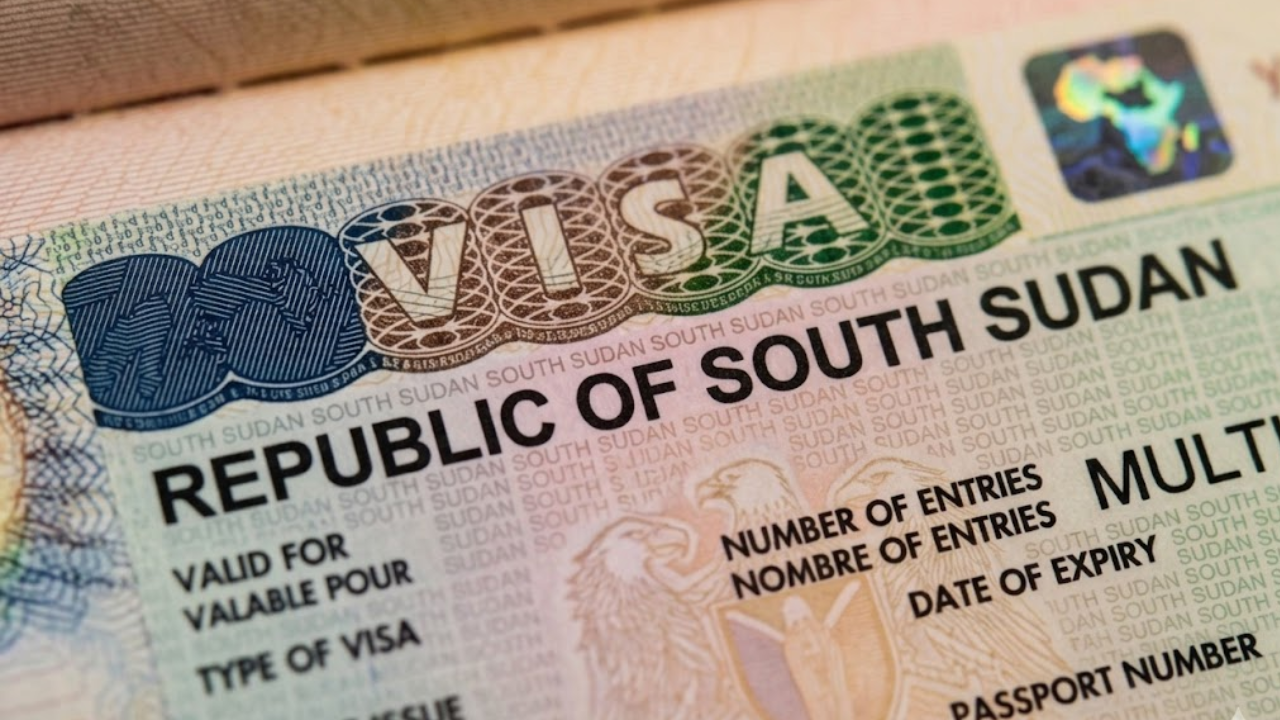
The United Arab Emirates has enacted an abrupt, sweeping entry ban and visa suspension targeting citizens and travelers from the Democratic Republic of the Congo, Uganda, and South Sudan. Effective June 6, 2026, at 1:00 PM Dubai time, the joint directive from the National Emergency Crisis and Disaster Management Authority (NCEMA) and the Federal Authority for Identity, Citizenship, Customs and Port Security (ICP) halts all new visa issuances, including tourist visas. Furthermore, it bars anyone who has set foot in those three nations within the last 21 days from entering the country, regardless of transit routing.
The official line frames this as a proactive measure against an escalating outbreak of the rare Bundibugyo Ebolavirus strain in Central Africa. But looking past the sterile prose of state-issued press releases reveals a far more complex picture. This is a story about the fragile nature of global aviation hubs, the limits of modern epidemiological containment, and the massive diplomatic friction that occurs when a economic superpower uses immigration policy as a medical shield.
The Hidden Catalyst for a Sudden Shutdown
While the official announcement points broadly to regional health preparedness, a specific timeline of events forced the UAE's hand.
Earlier in the week, the UAE Ministry of Health and Prevention admitted it was coordinating with the World Health Organization regarding a highly alarming case. A traveler had visited the UAE, moved through the public sphere, and subsequently tested positive for Ebola after departing the country and arriving in Uganda.
Medical authorities were quick to point out that the individual did not visit any domestic healthcare facilities during their stay. They also confirmed that no active cases have been detected within the UAE. Yet, the realization that an infected individual slipped through the world’s busiest international transit ecosystem sent shockwaves through federal departments.
The 21-day quarantine rule for indirect arrivals targets the exact incubation window of the virus. If a traveler cannot prove they have spent three full weeks outside the DRC, Uganda, or South Sudan, they will be turned away at the boarding gate or the immigration desk.
Why the Bundibugyo Strain Changed the Stakes
Governments routinely manage public health risks without closing borders. Screening lines, thermal cameras, and health declaration forms are standard practice. The decision to completely sever civilian transit points from these three specific nations underscores a deeper, unstated anxiety regarding the pathogen itself.
Global health agencies are currently grappling with the Bundibugyo Ebolavirus strain. Unlike the more common Zaire strain, which has benefited from significant pharmaceutical breakthroughs over the last decade, the Bundibugyo strain currently has no approved vaccine.
Ebola Strains and Medical Interventions:
+------------------------+---------------------------------------+
| Strain                 | Vaccine Availability                  |
+------------------------+---------------------------------------+
| Zaire Ebolavirus       | Ervebo (Approved & Highly Effective)  |
| Bundibugyo Ebolavirus  | None (Experimental Stages Only)       |
+------------------------+---------------------------------------+
| Sudan Ebolavirus       | Candidate Vaccines Only               |
+------------------------+---------------------------------------+
When an outbreak involves a pathogen where medical teams cannot deploy a ring-vaccination strategy to protect contacts, the options shrink. The response naturally shifts from clinical management to blunt geographic isolation. The UAE, which positions its major cities as safe, predictable spaces for international commerce, cannot afford even a single domestic transmission event. The economic fallout of an Ebola scare in Dubai or Abu Dhabi would dwarf the diplomatic discomfort of a targeted travel ban.
The Logistics of a Selective Blockade
Executing a border shutdown of this scale requires a delicate balance of strict border enforcement and commercial preservation. The mechanics of the ban reveal exactly what the UAE is trying to protect.
The Aviation Loophole
While commercial passengers are barred, cargo flights between the UAE and the three African nations continue uninterrupted. The global supply chain, particularly the movement of valuable commodities and air freight, remains active. Transit flight operations via hubs like Dubai International Airport are also officially unaffected for passengers who are merely passing through to other global destinations, provided their final destination accepts them.
The 21-Day Matrix
For airlines like Emirates and flydubai, the operational burden is immense. Ticket agents across global networks must now audit the travel histories of passengers using indirect routings. If a passenger flies from Kinshasa to Nairobi, stays a week, and then attempts to fly to Dubai, the airline must deny boarding.
The Cost of the Precautionary Principle
The humanitarian and diplomatic fallout of these measures is already drawing quiet criticism from regional analysts. Over 300 confirmed cases and 48 deaths have been recorded in the DRC. Observers argue that isolating affected nations during a health crisis damages local economies, slows down the arrival of independent logistical support, and incentivizes travelers to hide their travel histories to evade restrictions.
The UAE has warned its own citizens and residents against traveling to the DRC, Uganda, or South Sudan unless absolutely necessary. For the thousands of expatriates and business professionals from East and Central Africa who live and work in the Gulf, the visa suspension creates immediate personal disruptions. Visas cannot be renewed, families cannot visit, and those currently outside the country are effectively locked out.
National security and public health protocols will always supersede open borders. By using immigration controls to mitigate a vaccine-deficient viral threat, the UAE has set a stark precedent for how modern aviation hubs will defend themselves against evolving biological risks. The measures are described as temporary and subject to extension. In practice, the restrictions will remain firmly in place until the Central African outbreak shows definitive signs of retreat.