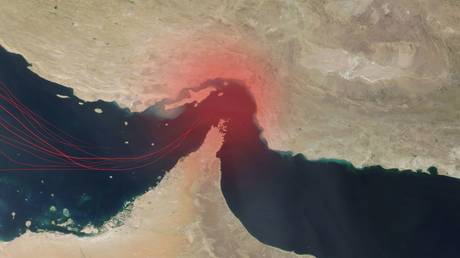
International shipping lanes are facing an unprecedented operational squeeze as the internationally recognized Yemeni government’s forces officially withdraw from frontline positions near the critical Bab el-Mandeb Strait, handing tactical ascendancy back to Houthi fighters. This abrupt retreat marks the collapse of a six-week counteroffensive backed by the Saudi-led coalition, leaving the vital chokepoint vulnerable and shifting the security architecture of the southern Red Sea. For global logistics planners, energy markets, and regional defense analysts, this development is not merely a localized skirmish—it is a structural reconfiguration of maritime power.
The Bab el-Mandeb Strait, a narrow artery measuring barely 26 kilometers across at its widest point between Yemen and Djibouti, handles a vast percentage of global container traffic and commercial shipping transiting between the Indian Ocean and Europe via the Suez Canal. When government-aligned units—including specialized elements like the Giants Brigade—launched their push into the coastal fringes of Taiz and Lahij governorates weeks prior, the objective was clear: sever the Houthi supply lines, push the militia back from the water's edge, and secure maritime traffic. That offensive has now completely unraveled. Facing heavy mortar fire, coordinated missile strikes against installations like the Qa'wah camp, and a relentless Houthi counter-surge, government forces opted for a rapid retrograde movement to fortify the perimeter around Aden, the interim capital.
To understand why this offensive failed, one must look past the immediate battlefield reports and examine the fractures within the anti-Houthi coalition itself. Decades of asymmetric conflict create strange bedfellows, and the southern tier of Yemen is a patchwork of competing political agendas. The uneasy friction between Saudi military planners, the central government structure, and local southern separatist factions has consistently hobbled long-term operational continuity. When a military campaign relies on disparate armed units without a unified command architecture, a single tactical setback can trigger a domino effect. The retreat from Dhubab and surrounding strategic high ground exposed this underlying fragility, turning what was meant to be a permanent reclamation of the coast into a tactical retreat.
The consequences for Riyadh are immediate and severe. Saudi Arabia had increasingly looked to its Red Sea infrastructure to bypass other regional chokepoints. With the Houthi movement consolidating control over the entire coastal approach to the strait, the security buffer that kept commercial shipping relatively insulated has evaporated. Even when physical closure of the waterway is incomplete, the psychological and operational reality of hostile forces operating artillery and drone launch sites overlooking the shipping lanes drives insurance premiums sky-high and forces vessel operators to reconsider their routes. The cost is ultimately borne by global supply chains that cannot absorb prolonged uncertainty without inflationary spikes.
Simultaneously, the strategic center of gravity has shifted perilously close to Aden. With Houthi units reported barely seventy kilometers from the city limits, the defensive posture of the government has transformed from an offensive projection outward to a desperate containment strategy inward. Military infrastructure in outlying districts like Kharaz has fallen, leaving western approaches exposed. For the residents of Aden, the dull thud of artillery and the return of military convoys from the western front are grim reminders that the front line has crept back to their doorsteps.
As the smoke clears over the coastal plains of western Yemen, the illusion of a quick military solution to the maritime crisis has been shattered. The Houthi leadership has demonstrated an institutional resilience and territorial persistence that conventional counter-offensives, despite heavy air support, have failed to dislodge. With the vital strait effectively under their shadow and government forces hunkered down around their southern redoubts, the balance of power on the Red Sea littoral has entered a volatile new phase where commercial navigation remains hostage to the shifting dynamics of an intractable civil war.