The
Tehran Looks East While Beijing Plays Long Game in the Gulf
news, business
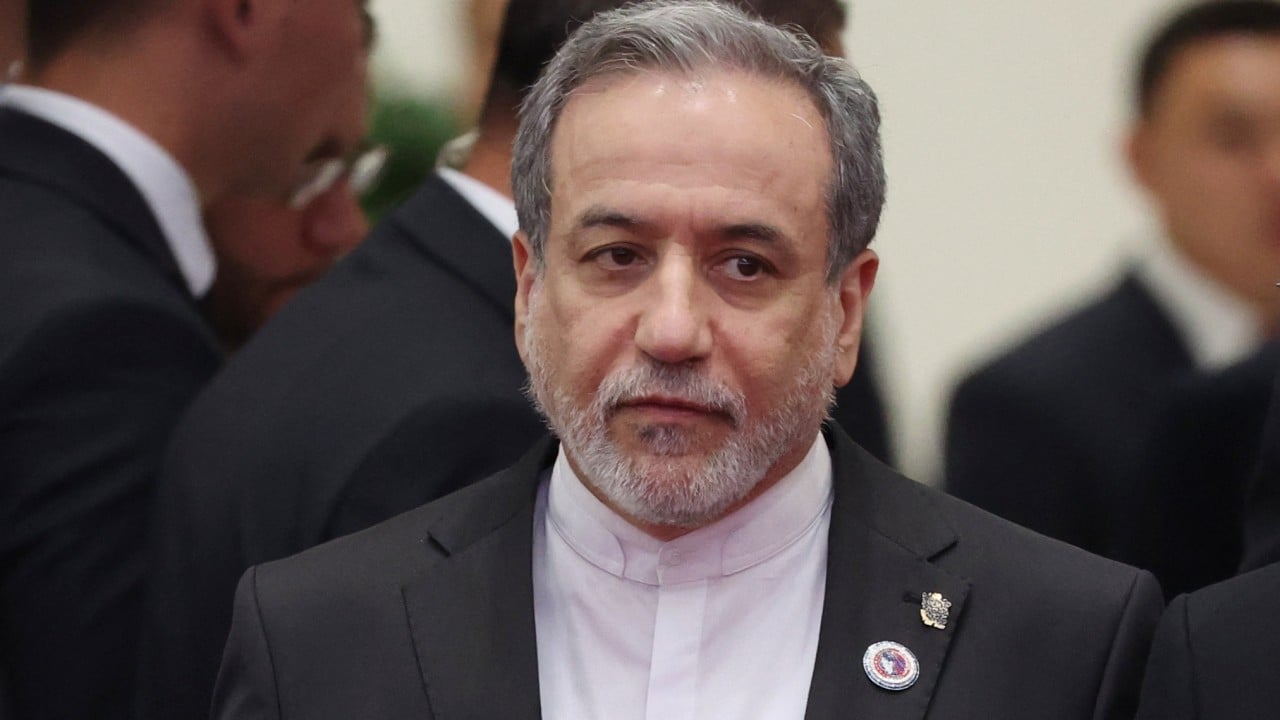
When Iranian diplomacy hits a brick wall in Western capitals, the flight path invariably turns east. Tehran’s top diplomat arriving in Beijing is not a routine diplomatic exchange; it is a calculated pivot born out of desperation and strategic necessity. Traditional diplomatic channels across Europe and multilateral forums have ground to a halt. Sanctions bite harder by the month, and regional tensions in the Middle East hover near a boiling point. Iran needs an economic life raft and a diplomatic shield, and Beijing remains one of the few global capitals willing to pick up the phone.
Yet, viewing this visit through the tired lens of a traditional alliance misses the reality of how Beijing operates. China does not offer blank checks. The relationship is transactional, asymmetric, and deeply pragmatic.
The Anatomy of a Stalled Region
Middle East diplomacy has entered a state of terminal paralysis. Western-led initiatives designed to contain regional friction or revive defunct nuclear pacts are dead letters. Trust among regional actors is completely exhausted. When communication lines snap, secondary powers look for alternative anchors.
Tehran faces an acute internal economic crisis exacerbated by persistent trade isolation. Domestic pressures mount as currency depreciation fuels public discontent. The state apparatus requires hard currency and reliable energy export routes to stay solvent. Western markets remain sealed tight. That leaves Beijing as the primary consumer capable of absorbing sanctioned barrels of crude oil at scale.
Beijing and the Art of Strategic Ambiguity
China’s foreign policy in West Asia operates on a completely different frequency than Washington’s or Brussels'. Beijing avoids entanglements in local proxy wars or ideological crusades. Instead, it relies on commercial penetration, infrastructure diplomacy, and energy security.
When Iranian officials touch down in China, they are not meeting ideological brethren. They are meeting commodity buyers and geopolitical hedgers. Beijing brokered a normalization deal between Saudi Arabia and Iran back in 2023, not out of a sudden desire to be a global peacemaker, but to safeguard its own energy imports from regional disruptions. Stability is good for trade. Uncontrolled escalation threatens Chinese supply chains.
Therefore, Beijing's reception of Iranian leadership is carefully calibrated. China wants to project the image of a responsible global stakeholder capable of engaging all sides. At the same time, it must manage its vital economic partnerships with Gulf monarchies like Saudi Arabia and the United Arab Emirates, nations that view Iranian regional influence with deep apprehension.
The Economic Realities Behind the Summit
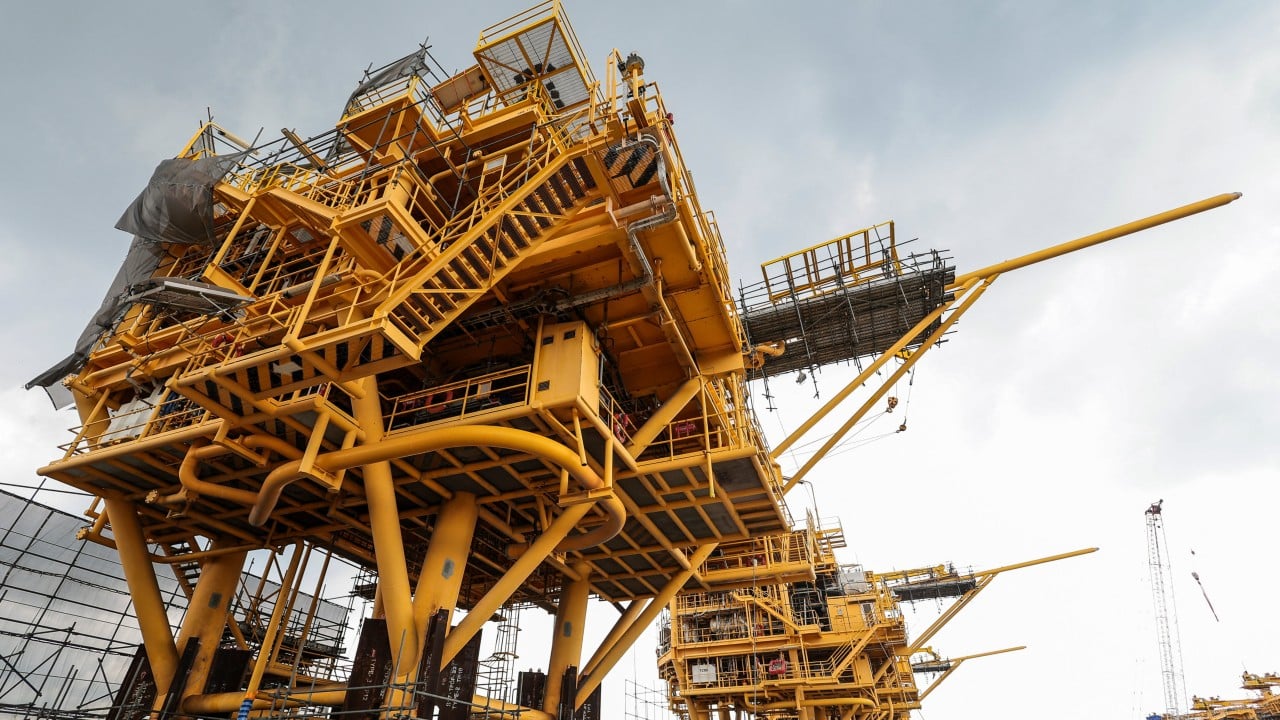
Oil underpins everything. China remains the largest importer of Iranian crude, utilizing a shadow fleet of tankers and localized financial workarounds to bypass primary Western sanctions. These transactions rarely clear through traditional SWIFT banking channels. They rely on complex barter arrangements, yuan-denominated accounts, and smaller regional financial institutions willing to absorb regulatory risk.
Beijing leverages this dynamic ruthlessly. Because Iran has virtually no other major export outlets of comparable size, Chinese refineries buy discounted crude. The financial delta goes straight to Beijing’s bottom line. The diplomatic handshakes in grand halls mask a commercial relationship heavily skewed in favor of the world's second-largest economy.
Beyond Oil Infrastructure and Long-Term Leverage
The bilateral framework extends past energy into critical infrastructure and technology transfers, though implementation often lags behind public rhetoric. Years ago, the two nations signed a sweeping twenty-five-year cooperation agreement. Progress on that accord has moved at a glacial pace. Chinese firms remain hesitant to pour massive foreign direct investment into an economy heavily targeted by secondary sanctions, fearing closure from Western financial systems.
Instead, cooperation remains transactional. China supplies localized technology, telecommunications infrastructure, and industrial machinery, while securing a steady stream of raw materials. Beijing gains a compliant partner that acts as a persistent thorn in the side of Western hegemony, checking American power projection in the Persian Gulf without requiring China to fire a single shot or deploy a single soldier.
The Limits of Beijing's Protection
Tehran often treats its relationship with China as a strategic umbrella against Western pressure. That calculation contains a fatal flaw. Beijing will not risk its broader commercial integration with the global economy, particularly its massive trade volumes with the United States and Europe, to bail out the Iranian state.
When geopolitical chips are down, Beijing defaults to self-preservation. It will veto harsh UN measures that threaten its own interests, but it will not underwrite Iranian regional ambitions or provide military alliances akin to mutual defense pacts. The partnership has a hard ceiling dictated by Chinese economic pragmatism.
As the delegation boards the return flight to Tehran, the underlying crisis remains entirely unaddressed. Western diplomacy is broken, regional fault lines are widening, and domestic pressures inside Iran continue to compound. China provides a vital pressure valve, preventing total economic suffocation, but it offers no path toward true rehabilitation or sustainable stability. Tehran has secured its lifeline, but it remains chained to a partner that values the utility of the crisis far more than its resolution.