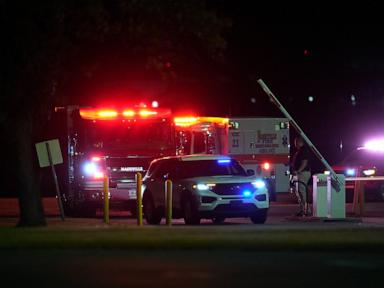
The death chamber is engineered for absolute finality. On September 30, inside a Tennessee facility, that machinery broke down completely.
Emergency response dispatch records released weeks after the botched lethal injection of Christa Pike reveal a horrifying operational vacuum. When an execution fails to kill the condemned, the state apparatus is supposed to shift instantly into a clear medical rescue mode. Instead, newly public 911 calls expose more than thirty minutes of paralyzing internal confusion, bureaucratic gatekeeping, and profound uncertainty that kept outside medical help locked outside the gates.
The first call placed to emergency dispatch arrived at 8:40 p.m. The voice on the other end of the line was extraordinary.
"We've been carrying out an execution tonight," the caller stated plainly to the dispatcher, noting that ten grams of pentobarbital had been administered roughly an hour prior. The person was not dead. An ambulance was required.
What followed was not an immediate dispatch of paramedics, but an administrative standoff. The dispatcher, operating under standard municipal protocols, asked for a verification code to confirm the validity of an emergency call originating from a high-security state penal institution. The caller did not have one.
"How do they not have a code?" the dispatcher asked, capturing the absurdity of an institutional silo failing to coordinate its most extreme procedures with local emergency infrastructure.
For thirty critical minutes, while Pike lay unresponsive with labored, slow breathing inside the death house, outside medics sat idling or questioned whether the call was an elaborate hoax or a protocol violation. It was not until nearly 9:11 p.m. that prison authorities definitively confirmed the crisis was real and authorized emergency responders to pass through the heavily secured perimeter.
This systemic paralysis highlights a dark, unacknowledged vulnerability in capital punishment infrastructure. States spend decades refining the delivery mechanisms of death, drafting legal briefs, and securing lethal chemical supplies. Yet they routinely fail to plan for the catastrophic failure of the execution itself. When a protocol misfires, the institutional reflex is secrecy and internal containment, not transparent medical triage.
Prior to the botched attempt, defense attorneys had formally alerted courts and prison officials regarding a specific blood disorder that could compromise vascular access and complicate injections. Those warnings were dismissed or overlooked in the rush to carry out the sentence. When the lethal chemicals failed to properly circulate, and the inmate was left lingering in a state of suspended animation between life and death, the staff on the floor found themselves trapped in a procedural blind spot.
The recordings show that even after medical transport was underway, confusion permeated the transfer. At 9:34 p.m., a paramedic requested dispatch to double-check that the receiving hospital had been properly alerted by the state, remarking on the dense layers of administrative chaos that had plagued the entire evening.
Governor Bill Lee subsequently paused further scheduled execution attempts pending an independent review led by a former U.S. attorney to determine whether standard protocols were followed. Yet the broader institutional rot goes deeper than a single botched procedure or a missing security code. Capital punishment relies on absolute administrative perfection. When reality shatters that illusion, the rigid walls of the correctional system prevent the very people inside from asking for help.
Pike ultimately survived the ordeal, regaining consciousness and eventually returning to her housing unit after hospital treatment. But the recordings of those quiet, panicked minutes on the phone reveal an execution system entirely unequipped to handle its own mistakes, leaving a dying prisoner waiting half an hour for permission to live.